Management
of
Organisations
in
Europe
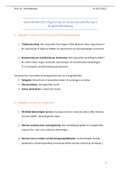
Summary
2019/2020
European
Studies
Chapter
5
Management
is
the
process
of
planning,
organizing,
leading,
and
controlling
an
organisation’s
financial,
physical,
human,
and
information
resources
to
achieve
its
goals.
An
organisation
is
a
co-‐operative,
goal-‐realizing
unit
in
which
participants
consciously
enter
into
a
mutual
relationship
and
work
together
in
order
to
attain
common
goals
(Microsoft,
IKEA,
UN,
Amnesty).
There
are
four
basic
functions
that
constitute
the
management
process:
Planning
The
three
main
components
of
planning
are
determining
the
firm’s
goals,
developing
a
comprehensive
strategy
to
achieve
the
goals
and
designing
tactical
and
operational
plans
to
implement
the
strategy.
Organising
For
example
by
using
organisation
charts
to
help
people
understand
their
role
within
the
business.
Leading
Having
the
power
to
give
orders
and
demand
results
by
working
to
guide
and
motivate
employees.
Controlling
The
process
of
monitoring
a
firm’s
performance
to
make
sure
it
is
meeting
its
goals.
,The
three
levels
of
management:
Top
manager
Manager
responsible
for
a
firm’s
overall
performance
and
effectiveness,
they
depend
the
most
on
conceptual
skills
Middle
manager
Manager
responsible
for
implementing
the
strategies
and
working
toward
the
goals
set
by
top
managers
First-‐line
manager
Manager
responsible
for
supervising
the
work
of
employees
The
managerial
roles:
There
are
several
different
areas
of
management
such
as
human
resource
managers
who
hire
and
train
employees,
operations
managers
who
are
mainly
responsible
for
production,
marketing
managers
who
are
responsible
for
getting
products
to
consumers,
information
managers,
financial
managers
and
sometimes
even
more.
Effective
managers
must
have
competent
skills.
Technical
Skills
needed
to
perform
specialised
tasks
Human
relations
Skills
in
understanding
and
getting
along
with
people
Conceptual
Abilities
to
think
in
the
abstract,
diagnose
and
analyse
different
situations
and
see
beyond
the
present
situation
Decision-‐making
Skills
in
defining
problems
and
selecting
the
best
courses
of
action
Time
management
Skills
associated
with
the
productive
use
of
time
In
the
twenty-‐first
century
extra
skills
are
often
required
such
as
global
management
skills
and
technology
skills.
Strategic
management
Process
of
helping
an
organisation
maintain
an
effective
alignment
with
its
environment
Goal
Objective
that
a
business
hopes
and
plans
to
achieve
Purposes
of
goal
setting:
1. Provides
direction
and
guidance
for
managers
on
all
levels
2. Helps
firms
allocate
resources
3. Helps
to
define
corporate
culture
4. Helps
managers
assess
performance
Strategy
Broad
set
of
organizational
plans
for
implementing
the
decisions
made
for
achieving
organizational
goals
, Mission
statement
Organisation’s
statement
of
how
it
will
achieve
its
purpose
in
the
environment
in
which
it
conducts
its
business.
From
this
statement
a
strategic
goal
is
derived
Types
of
goals:
Long-‐term
goal
Goal
set
for
an
extended
time,
typically
five
years
or
more
into
the
future
Intermediate
goal
Goal
set
for
a
period
of
one
to
five
years
into
the
future
Short-‐term
goal
Goal
set
for
the
very
near
future
Types
of
strategies:
Corporate
strategy:
Strategy
for
determining
the
firm’s
overall
attitude
towards
growth
and
the
way
it
will
manage
its
businesses
or
product
lines
Business
(or
competitive)
strategy:
Strategy,
at
the
business-‐unit
or
product-‐line
level,
focusing
on
improving
a
firm’s
competitive
position
Functional
strategy:
Strategy
by
which
managers
in
specific
areas
decide
how
best
to
achieve
corporate
goals
through
productivity
To
formulate
strategy
you
could
use
the
SWOT
analysis
or
environmental
analysis:
Strengths
Weaknesses
Opportunities
Threats
Contingency
planning
Identifying
aspects
of
a
business
or
its
environment
that
may
change
in
the
future
and
preparing
a
strategy
for
that
change
Crisis
management
Organisations
methods
for
dealing
with
emergencies
of
Organisations
in
Europe
Summary
2019/2020
European
Studies
Chapter
5
Management
is
the
process
of
planning,
organizing,
leading,
and
controlling
an
organisation’s
financial,
physical,
human,
and
information
resources
to
achieve
its
goals.
An
organisation
is
a
co-‐operative,
goal-‐realizing
unit
in
which
participants
consciously
enter
into
a
mutual
relationship
and
work
together
in
order
to
attain
common
goals
(Microsoft,
IKEA,
UN,
Amnesty).
There
are
four
basic
functions
that
constitute
the
management
process:
Planning
The
three
main
components
of
planning
are
determining
the
firm’s
goals,
developing
a
comprehensive
strategy
to
achieve
the
goals
and
designing
tactical
and
operational
plans
to
implement
the
strategy.
Organising
For
example
by
using
organisation
charts
to
help
people
understand
their
role
within
the
business.
Leading
Having
the
power
to
give
orders
and
demand
results
by
working
to
guide
and
motivate
employees.
Controlling
The
process
of
monitoring
a
firm’s
performance
to
make
sure
it
is
meeting
its
goals.
,The
three
levels
of
management:
Top
manager
Manager
responsible
for
a
firm’s
overall
performance
and
effectiveness,
they
depend
the
most
on
conceptual
skills
Middle
manager
Manager
responsible
for
implementing
the
strategies
and
working
toward
the
goals
set
by
top
managers
First-‐line
manager
Manager
responsible
for
supervising
the
work
of
employees
The
managerial
roles:
There
are
several
different
areas
of
management
such
as
human
resource
managers
who
hire
and
train
employees,
operations
managers
who
are
mainly
responsible
for
production,
marketing
managers
who
are
responsible
for
getting
products
to
consumers,
information
managers,
financial
managers
and
sometimes
even
more.
Effective
managers
must
have
competent
skills.
Technical
Skills
needed
to
perform
specialised
tasks
Human
relations
Skills
in
understanding
and
getting
along
with
people
Conceptual
Abilities
to
think
in
the
abstract,
diagnose
and
analyse
different
situations
and
see
beyond
the
present
situation
Decision-‐making
Skills
in
defining
problems
and
selecting
the
best
courses
of
action
Time
management
Skills
associated
with
the
productive
use
of
time
In
the
twenty-‐first
century
extra
skills
are
often
required
such
as
global
management
skills
and
technology
skills.
Strategic
management
Process
of
helping
an
organisation
maintain
an
effective
alignment
with
its
environment
Goal
Objective
that
a
business
hopes
and
plans
to
achieve
Purposes
of
goal
setting:
1. Provides
direction
and
guidance
for
managers
on
all
levels
2. Helps
firms
allocate
resources
3. Helps
to
define
corporate
culture
4. Helps
managers
assess
performance
Strategy
Broad
set
of
organizational
plans
for
implementing
the
decisions
made
for
achieving
organizational
goals
, Mission
statement
Organisation’s
statement
of
how
it
will
achieve
its
purpose
in
the
environment
in
which
it
conducts
its
business.
From
this
statement
a
strategic
goal
is
derived
Types
of
goals:
Long-‐term
goal
Goal
set
for
an
extended
time,
typically
five
years
or
more
into
the
future
Intermediate
goal
Goal
set
for
a
period
of
one
to
five
years
into
the
future
Short-‐term
goal
Goal
set
for
the
very
near
future
Types
of
strategies:
Corporate
strategy:
Strategy
for
determining
the
firm’s
overall
attitude
towards
growth
and
the
way
it
will
manage
its
businesses
or
product
lines
Business
(or
competitive)
strategy:
Strategy,
at
the
business-‐unit
or
product-‐line
level,
focusing
on
improving
a
firm’s
competitive
position
Functional
strategy:
Strategy
by
which
managers
in
specific
areas
decide
how
best
to
achieve
corporate
goals
through
productivity
To
formulate
strategy
you
could
use
the
SWOT
analysis
or
environmental
analysis:
Strengths
Weaknesses
Opportunities
Threats
Contingency
planning
Identifying
aspects
of
a
business
or
its
environment
that
may
change
in
the
future
and
preparing
a
strategy
for
that
change
Crisis
management
Organisations
methods
for
dealing
with
emergencies