Unit 4 case studies
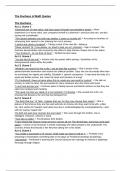
Judicial precedent
Donoghue V Stevenson
In 1932 a woman visited a cafe and bought a binger beer. She found a snail in her drink
which caused her to fall ill. She sued the manufacturer as they owe a duty of care to their
customers. This created a modern law of negligence.
Daniels V White
In 1938 a man bought some lemonade but felt a burning sensation in his mouth when he
drank it. It was found that the drink contained a corrosive metal. Daniels sued the
manufacturer and the previous case was referred to.
Statutory interpretation
Smith V Hughes
In 1960 two women were prosecuted after soliciting from an upstairs window. They were
charged under the Street Offences Act 1959 which made it an offence to solicit in a public
place. The mischief rule was applied to this law because they were within the mischief the
act was aimed at even though they were in a private place.
The crime control model
Colin Stagg
- Key focus in the case (murder of Rachel Nickell) was to get a suspect charged and
convicted. Police failed to consider any other suspect as they wanted a swift
conviction. The victims murder provoked a strong public reaction and demand for the
case to be solved as quickly as possible.
- Police felt sure that the suspect was guilty and used all measure available to try and
get evidence- breached his rights and privacy- honeytrap mission
Barry George
- Police failed to consider other possibilities
- Used unreliable forensic evidence to convict
- Key focus in the case was on securing a conviction at any cost
- Victims murder provoked a strong public reaction and demand for the case to be
solved as quickly as possible
- Even after conviction was overturned he still wasn’t seen as innocent enough to
warrant compensation
The due process model
Sion Jenkins
- On the 2nd of July 1998 he was sentenced to life for murder of his foster daughter
Billie-Jo.
- On 9th February 2006 after two appeals and two retrials, he was finally acquitted. He
had spent 6 years in prison
, - He was given the opportunity to exercise his statutory right of appealing against the
conviction thus allowing for a retrial
Gary weddell
- Policeman for 25 years then charged with the murder of his wife.
- He had been granted bail by his brother against the wishes of the cps
- Whilst on bail he killed his mother-in-law and them himself
- This case uses the due process model as everyone is presumed to be granted bail
unless there is reason not to. It’s a statutory right.
Thompson and venables
- Killed James Bulger in a chucky inspired attack
- The boys had their identities changed to protect them from the public and media
- They were taken to the courtroom before the trial so that they could familiarise
themselves
- Article 6 and article 3- ensured they warren’t tortured
Aims of punishment
Retribution
John Christie
- Murdered 8 people
- received the death penalty which fits the ‘life for a life’ part.
Wayne Couzens
- Police officer who abused his power and kidnapped, raped and murdered Sarah
Everard
- Received a whole life sentence meaning he will die in prison
- Fits an ‘eye for an eye’
Rehabilitation
Christopher Topliss
- Jailed for sex offences in 2017
- Was released from prison and served a three year community order which will focus
on rehabilitation
Deterrence
London riots 2011
- Harsh punishments were given for even the smallest crimes
- A 23 year old man was sentenced to 6 months in prison for stealing £3.50 of bottled
water
- 2 men were jailed for four years each after admitting they used Facebook to incite
disorder, even though nothing resulted from the posts.
Judicial precedent
Donoghue V Stevenson
In 1932 a woman visited a cafe and bought a binger beer. She found a snail in her drink
which caused her to fall ill. She sued the manufacturer as they owe a duty of care to their
customers. This created a modern law of negligence.
Daniels V White
In 1938 a man bought some lemonade but felt a burning sensation in his mouth when he
drank it. It was found that the drink contained a corrosive metal. Daniels sued the
manufacturer and the previous case was referred to.
Statutory interpretation
Smith V Hughes
In 1960 two women were prosecuted after soliciting from an upstairs window. They were
charged under the Street Offences Act 1959 which made it an offence to solicit in a public
place. The mischief rule was applied to this law because they were within the mischief the
act was aimed at even though they were in a private place.
The crime control model
Colin Stagg
- Key focus in the case (murder of Rachel Nickell) was to get a suspect charged and
convicted. Police failed to consider any other suspect as they wanted a swift
conviction. The victims murder provoked a strong public reaction and demand for the
case to be solved as quickly as possible.
- Police felt sure that the suspect was guilty and used all measure available to try and
get evidence- breached his rights and privacy- honeytrap mission
Barry George
- Police failed to consider other possibilities
- Used unreliable forensic evidence to convict
- Key focus in the case was on securing a conviction at any cost
- Victims murder provoked a strong public reaction and demand for the case to be
solved as quickly as possible
- Even after conviction was overturned he still wasn’t seen as innocent enough to
warrant compensation
The due process model
Sion Jenkins
- On the 2nd of July 1998 he was sentenced to life for murder of his foster daughter
Billie-Jo.
- On 9th February 2006 after two appeals and two retrials, he was finally acquitted. He
had spent 6 years in prison
, - He was given the opportunity to exercise his statutory right of appealing against the
conviction thus allowing for a retrial
Gary weddell
- Policeman for 25 years then charged with the murder of his wife.
- He had been granted bail by his brother against the wishes of the cps
- Whilst on bail he killed his mother-in-law and them himself
- This case uses the due process model as everyone is presumed to be granted bail
unless there is reason not to. It’s a statutory right.
Thompson and venables
- Killed James Bulger in a chucky inspired attack
- The boys had their identities changed to protect them from the public and media
- They were taken to the courtroom before the trial so that they could familiarise
themselves
- Article 6 and article 3- ensured they warren’t tortured
Aims of punishment
Retribution
John Christie
- Murdered 8 people
- received the death penalty which fits the ‘life for a life’ part.
Wayne Couzens
- Police officer who abused his power and kidnapped, raped and murdered Sarah
Everard
- Received a whole life sentence meaning he will die in prison
- Fits an ‘eye for an eye’
Rehabilitation
Christopher Topliss
- Jailed for sex offences in 2017
- Was released from prison and served a three year community order which will focus
on rehabilitation
Deterrence
London riots 2011
- Harsh punishments were given for even the smallest crimes
- A 23 year old man was sentenced to 6 months in prison for stealing £3.50 of bottled
water
- 2 men were jailed for four years each after admitting they used Facebook to incite
disorder, even though nothing resulted from the posts.