Gas Exchange HCC4
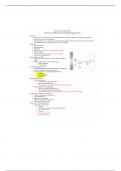
Medications for Lungs
○ 0xygen, Mucolytics, Steroids, HHN (Hand held Nebulizers) & Antibiotics
■ 02: > 4L NC needs humidification
■ Mucolytics: dry up & help to reduce secretions
● Guaifenesin, Robitussin, Tussionex
● Acetylcysteine – Mucomist – HHN
■ Steroids: reduce inflammation (redness, swelling and drainage)
● IV: Methylprednisolone (Solu-Medrol) and hydrocortisone (Solu-
Cortef)
● IV Decadron
■ “Inhalers: Symbicort, Advair, Flovent -> spacer + rinse po
○ HHN - Bronchodilators relax bronchioles
■ Beta-agonists act to open or dilate bronchioles
● Albuterol (Ventolin, Proventil)
● Metaproterenol (Alupent)
● Isoproterenol (Isuprel)
● Terbutaline (Brethine)
● Levalbuterol (Xopenex): children
● Racemic Epi specifically for stridor d/t a closing of the airway ->
tachycardia
■ Anticholinergics: acts on muscles to help relax & open bronchioles
● ipratropium Atrovent, Spiriva
○ Antibiotics for pulmonary infections
■ Macrolides: azithromycin (Zithromax), clarithromycin (Biaxin),
erythromycin),
■ Tetracyclines: doxycycline
■ Fluoroquinolones: levofloxacin, moxifloxacin
■ Cephalosporins: ceftriaxone (Rocephin), cefotaxime (Claforan), cefepime
(Maxipime)
■ Penicillin: amoxicillin (Augmentin), ampicillin,
● Zosyn, Unasyn, Timentin = combination
■ Vancomycin: (Glycopeptide)
Anemia
● Key Points
, ○ 1. Regardless of the pathology, Anemia is a condition with abnormally low number of
circulating red blood cells (RBCs), low level of hemoglobin, or both. This disorder can
occur as an acute or chronic condition.
○ 2. Red blood cells are necessary for the transport of oxygen from alveoli to the
cells for metabolism and to carry carbon dioxide, a by-product of cellular
metabolism to the alveoli to be eliminated.
○ 3. Altered transport of oxygen occurs when the number or maturity of red blood
cells is not sufficient.
○ 4. Clinical manifestations vary depending upon the rate of development and the
severity of anemia.
○ 5. Treatment of anemia should include identification and correction of the etiology.
Treatment modalities range from nutritional supplements to blood transfusions.
○ 6. Aplastic anemia is a disease described as peripheral bold pancytopenia where all
blood cell types are decreased.
● Definition
○ Anemia is a reduction in the number of RBCs, Hgb, or HCT. It is also a clinical
indicator, not a specific disease because it occurs with many health problems.
■ Can result from dietary problems, genetic disorders, or even bone marrow
disease
■ GI bleeding is the most common cause of anemia in adults
○ Review table 40-1 on pg 814 for causes in Iggy
● What is going on in the body? (link)
○ RBCs are found in the bone marrow
○ Kidneys release erythropoietin for the bone marrow to make RBCs
○ Hematopoietic stem cell forms RBCs
○ Hematopoietic stem cell → immature RBC (erythroblast) → RBC (erythrocyte)
○ Erythrocyte has hemoglobin inside it to bond to oxygen
○ RBC will live for 120 days
○ Anemia: shortage of RBCs
○ Underproduction or destruction of RBCs
○ Underproduction: renal failure, bone marrow is sick, not enough DNA in
erythroblasts, problem making hemoglobin
■ Kidneys and bone marrow cannot work hard, causing a decrease in
reticulocytes being released into circulation (abnormal <3%)
○ Destruction: autoimmunity, viruses and bacteria, trauma to blood vessels (blood loss)
■ Kidneys and bone marrow would work harder, causing reticulocytes to be
released into circulation (normal >3%)
● Why is this important?
○ RBCs are necessary for the transport of oxygen from alveoli to the cells for
metabolism and to carry carbon dioxide to the alveoli to be eliminated.
, ○ By not having enough RBCs, Gas Exchange is then impaired.
○ Impair production: aplastic, folic acid, iron deficiency, pernicious, thalacemia (??)
○ Premature production → destruction: sickle cell
○ Loss: hemolytic
● Potential Causes
○ Decreased RBC production = decreased nutrients, decreased erythropoietin,
decreased iron
○ Blood Loss = Chronic/Acute hemorrhage, Acute trauma, Ruptured aortic aneurysm,
GI Bleeding
○ Increased RBC Destruction = Hemolysis = Sickle Cell Disease, Meds, Incompatible
blood, trauma
● How is it determined?
○ Classified by review of CBC, reticulocyte count and peripheral smear.
○ Classification is based on morphology and/or etiology.
○ Treatment is determined after the specific cause is determined
○ Morphology: size and color
○ Etiology: condition causing anemia
○
● Classifications
○ MILD: Hgb 10-12 g/dL
■ May not have manifestations except palpitations, exertional dyspnea, fatigue
○ MODERATE: Hgb 6-10 g/dL
■ Manifestations include increased palpitations, bounding pulse, dyspnea,
roaring in ears, worsening fatigue
○ SEVERE: Hgb <6 g/dL
■ Manifestations include pallor, pruritis, blurred vision, glossitis, smooth
tongue, tachycardia, increased pulse pressure, tachypnea, dyspnea at rest,
impaired thought processes, sensitivity to cold, lethargy, and many more
potential manifestations.
● Can lead to organ failure due to hypoxemia
● Impaired thought processes, such as confusion, can occur due to
hypoxia
, ○ Manifestations differ because the cause of the body’s response to tissue hypoxia
and depending on the amount of time the anemia has evolved, severity and co-
morbidities.
○ Integumentary changes: Pallor results from decreased amount of hgb and blood
flow to the skin. Jaundice occurs when hemolysis (cell destruction) of RBCs results
in an increase concentration of serum bilirubin. Increase serum and skin bile salt
concentration causes pruritis. Jaundice can be observed in the sclera of the eyes
and mucous membranes. Usually more accurate in dark skinned people.
○ Cardiovascular changes: Heart and lungs attempt to provide adequate amounts of
O2 to the tissues. With severe anemia they work harder. Cardiac output is
maintained by this increased workload, increased heart rate, and stroke volume.
The low viscosity of the blood contributes to systolic murmurs and bruits. Then
angina and a MI occur when O2 needs cannot be met (aka the heart ain’t get’n no
O2!). HF, cardiomegaly, pulmonary and systemic congestion, ascites, peripheral
edema occur after an extended amount of time.
○ IF NOT CAUGHT, CORRECTED, DEATH WILL OCCUR!!
● Types of Anemia: Iron Deficiency
○ Most common
○ Caused by blood loss, poor GI absorption of iron, inadequate diet
○ With chronic iron deficiency, RBCs are small (microcytic). Have mild symptoms
(weakness, pallor, fatigue, reduced exercise tolerance and fissures at the corners of
the mouth.)
○ Treatment: Diet, Iron supplements
○ Serum Ferritin is < 10 ng/mL .. indicator to diagnose***
○ Normal range is 12-300 ng/mL
● Types of Anemia: Pernicious Anemia
○ Vitamin B12 deficiency anemia
○ Results in failure to activate enzymes that move folic acid into precursor RBCs cells
so cell division and growth into functional RBCs can occur.
○ Most common cause of Vitamin B12 deficiency.
■ Vitamin B12 is needed for normal nervous system functioning
■ Low B12 → affects the brain and can lead to a stroke
■ Intrinsic factor is not being released
○ Can have an insidious onset beginning after age 40.
○ People at risk: think GI!!
■ GI surgery (Gastrectomy, gastric bypass)
■ Small bowel resections involving the ileum or Crohns disease
■ Ileitis
■ Celiac Disease
■ Vegans
Medications for Lungs
○ 0xygen, Mucolytics, Steroids, HHN (Hand held Nebulizers) & Antibiotics
■ 02: > 4L NC needs humidification
■ Mucolytics: dry up & help to reduce secretions
● Guaifenesin, Robitussin, Tussionex
● Acetylcysteine – Mucomist – HHN
■ Steroids: reduce inflammation (redness, swelling and drainage)
● IV: Methylprednisolone (Solu-Medrol) and hydrocortisone (Solu-
Cortef)
● IV Decadron
■ “Inhalers: Symbicort, Advair, Flovent -> spacer + rinse po
○ HHN - Bronchodilators relax bronchioles
■ Beta-agonists act to open or dilate bronchioles
● Albuterol (Ventolin, Proventil)
● Metaproterenol (Alupent)
● Isoproterenol (Isuprel)
● Terbutaline (Brethine)
● Levalbuterol (Xopenex): children
● Racemic Epi specifically for stridor d/t a closing of the airway ->
tachycardia
■ Anticholinergics: acts on muscles to help relax & open bronchioles
● ipratropium Atrovent, Spiriva
○ Antibiotics for pulmonary infections
■ Macrolides: azithromycin (Zithromax), clarithromycin (Biaxin),
erythromycin),
■ Tetracyclines: doxycycline
■ Fluoroquinolones: levofloxacin, moxifloxacin
■ Cephalosporins: ceftriaxone (Rocephin), cefotaxime (Claforan), cefepime
(Maxipime)
■ Penicillin: amoxicillin (Augmentin), ampicillin,
● Zosyn, Unasyn, Timentin = combination
■ Vancomycin: (Glycopeptide)
Anemia
● Key Points
, ○ 1. Regardless of the pathology, Anemia is a condition with abnormally low number of
circulating red blood cells (RBCs), low level of hemoglobin, or both. This disorder can
occur as an acute or chronic condition.
○ 2. Red blood cells are necessary for the transport of oxygen from alveoli to the
cells for metabolism and to carry carbon dioxide, a by-product of cellular
metabolism to the alveoli to be eliminated.
○ 3. Altered transport of oxygen occurs when the number or maturity of red blood
cells is not sufficient.
○ 4. Clinical manifestations vary depending upon the rate of development and the
severity of anemia.
○ 5. Treatment of anemia should include identification and correction of the etiology.
Treatment modalities range from nutritional supplements to blood transfusions.
○ 6. Aplastic anemia is a disease described as peripheral bold pancytopenia where all
blood cell types are decreased.
● Definition
○ Anemia is a reduction in the number of RBCs, Hgb, or HCT. It is also a clinical
indicator, not a specific disease because it occurs with many health problems.
■ Can result from dietary problems, genetic disorders, or even bone marrow
disease
■ GI bleeding is the most common cause of anemia in adults
○ Review table 40-1 on pg 814 for causes in Iggy
● What is going on in the body? (link)
○ RBCs are found in the bone marrow
○ Kidneys release erythropoietin for the bone marrow to make RBCs
○ Hematopoietic stem cell forms RBCs
○ Hematopoietic stem cell → immature RBC (erythroblast) → RBC (erythrocyte)
○ Erythrocyte has hemoglobin inside it to bond to oxygen
○ RBC will live for 120 days
○ Anemia: shortage of RBCs
○ Underproduction or destruction of RBCs
○ Underproduction: renal failure, bone marrow is sick, not enough DNA in
erythroblasts, problem making hemoglobin
■ Kidneys and bone marrow cannot work hard, causing a decrease in
reticulocytes being released into circulation (abnormal <3%)
○ Destruction: autoimmunity, viruses and bacteria, trauma to blood vessels (blood loss)
■ Kidneys and bone marrow would work harder, causing reticulocytes to be
released into circulation (normal >3%)
● Why is this important?
○ RBCs are necessary for the transport of oxygen from alveoli to the cells for
metabolism and to carry carbon dioxide to the alveoli to be eliminated.
, ○ By not having enough RBCs, Gas Exchange is then impaired.
○ Impair production: aplastic, folic acid, iron deficiency, pernicious, thalacemia (??)
○ Premature production → destruction: sickle cell
○ Loss: hemolytic
● Potential Causes
○ Decreased RBC production = decreased nutrients, decreased erythropoietin,
decreased iron
○ Blood Loss = Chronic/Acute hemorrhage, Acute trauma, Ruptured aortic aneurysm,
GI Bleeding
○ Increased RBC Destruction = Hemolysis = Sickle Cell Disease, Meds, Incompatible
blood, trauma
● How is it determined?
○ Classified by review of CBC, reticulocyte count and peripheral smear.
○ Classification is based on morphology and/or etiology.
○ Treatment is determined after the specific cause is determined
○ Morphology: size and color
○ Etiology: condition causing anemia
○
● Classifications
○ MILD: Hgb 10-12 g/dL
■ May not have manifestations except palpitations, exertional dyspnea, fatigue
○ MODERATE: Hgb 6-10 g/dL
■ Manifestations include increased palpitations, bounding pulse, dyspnea,
roaring in ears, worsening fatigue
○ SEVERE: Hgb <6 g/dL
■ Manifestations include pallor, pruritis, blurred vision, glossitis, smooth
tongue, tachycardia, increased pulse pressure, tachypnea, dyspnea at rest,
impaired thought processes, sensitivity to cold, lethargy, and many more
potential manifestations.
● Can lead to organ failure due to hypoxemia
● Impaired thought processes, such as confusion, can occur due to
hypoxia
, ○ Manifestations differ because the cause of the body’s response to tissue hypoxia
and depending on the amount of time the anemia has evolved, severity and co-
morbidities.
○ Integumentary changes: Pallor results from decreased amount of hgb and blood
flow to the skin. Jaundice occurs when hemolysis (cell destruction) of RBCs results
in an increase concentration of serum bilirubin. Increase serum and skin bile salt
concentration causes pruritis. Jaundice can be observed in the sclera of the eyes
and mucous membranes. Usually more accurate in dark skinned people.
○ Cardiovascular changes: Heart and lungs attempt to provide adequate amounts of
O2 to the tissues. With severe anemia they work harder. Cardiac output is
maintained by this increased workload, increased heart rate, and stroke volume.
The low viscosity of the blood contributes to systolic murmurs and bruits. Then
angina and a MI occur when O2 needs cannot be met (aka the heart ain’t get’n no
O2!). HF, cardiomegaly, pulmonary and systemic congestion, ascites, peripheral
edema occur after an extended amount of time.
○ IF NOT CAUGHT, CORRECTED, DEATH WILL OCCUR!!
● Types of Anemia: Iron Deficiency
○ Most common
○ Caused by blood loss, poor GI absorption of iron, inadequate diet
○ With chronic iron deficiency, RBCs are small (microcytic). Have mild symptoms
(weakness, pallor, fatigue, reduced exercise tolerance and fissures at the corners of
the mouth.)
○ Treatment: Diet, Iron supplements
○ Serum Ferritin is < 10 ng/mL .. indicator to diagnose***
○ Normal range is 12-300 ng/mL
● Types of Anemia: Pernicious Anemia
○ Vitamin B12 deficiency anemia
○ Results in failure to activate enzymes that move folic acid into precursor RBCs cells
so cell division and growth into functional RBCs can occur.
○ Most common cause of Vitamin B12 deficiency.
■ Vitamin B12 is needed for normal nervous system functioning
■ Low B12 → affects the brain and can lead to a stroke
■ Intrinsic factor is not being released
○ Can have an insidious onset beginning after age 40.
○ People at risk: think GI!!
■ GI surgery (Gastrectomy, gastric bypass)
■ Small bowel resections involving the ileum or Crohns disease
■ Ileitis
■ Celiac Disease
■ Vegans