Critical discussion of “The forebrain synaptic transcriptome is organized by
clocks but its proteome is driven by sleep”
DRAFT:
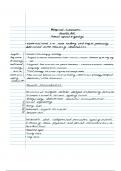
The article "The forebrain synaptic transcriptome is organized by clocks but its proteome is driven by
sleep" resents an interesting study of how the circadian clock and sleep affect the forebrain
synapse's ability to control gene expression and protein synthesis. In order to examine gene
expression and protein levels in synapses isolated from the mouse forebrain at various times of the
day and after sleep deprivation, the author used high-throughput sequencing and proteomic
techniques. The study emphasises how the forebrain synapse's transcriptional profile is organised by
the circadian clock, a key mechanism that controls many physiological activities, including sleep.
Strengths and Weaknesses of the study:
Around 70% of the synaptic transcriptome displays circadian rhythmicity, and many rhythmic genes
are involved in synaptic function, according to the study, which raises the possibility that the
circadian clock controls synaptic plasticity and cognitive function. Furthermore, the author
demonstrates that sleep deprivation impairs circadian control of synaptic gene expression and
protein synthesis, demonstrating the crucial role sleep plays in preserving proper synaptic function
and plasticity.
An important aspect of the paper's strength is the author's method of integrating transcriptomic and
proteomic techniques to examine the levels of protein and gene expression in synapses. This
technique allows a more thorough comprehension of the intricate control of the forebrain synapse.
The results of this study suggest that sleep and the circadian clock are important regulators of
synapse function and plasticity.
The study was done on mice, so it's not clear whether the results are applicable to humans. This
could be a potential disadvantage in the paper. The study does not look into the molecular processes
by which the circadian clock and sleep control gene expression and protein synthesis in the forebrain
synapse. Further research on these mechanisms might give us a more in-depth understanding of
how sleep and circadian cycles affect synapse function and cognitive functioning.
The study's unique approach and thorough investigation of both gene expression and protein
synthesis are its greatest strengths. Irrespective study's limitations, the findings provide insight on
the molecular processes that underlie the circadian regulation of synapse activity and indicate
promising possibilities for further investigation. However, as diverse platforms such as dep-
sequencing and mass-spectrometry were utilised to generate the data, it is challenging to make
inferences regarding the relative proportions of oscillatory transcripts and proteins.
Critical analysis of results:
The analysis quantified a total of 4477 proteins in the forebrain and 4063 proteins in synapses, with
an overlap of 3710 proteins. This means that there were some proteins that were only present in the
forebrain, some that were only present in synapses, and some that were present in both. The
circadian analysis then revealed that 11.7% of proteins in synapses (476 proteins) and 17.2% of
proteins in the total forebrain (770 proteins) were rhythmic, with a period of 24 hours and a q-value
of less than 0.1. The q-value is a statistical measure of the significance of the rhythmicity.
These findings suggest that a substantial proportion of the proteins in the synapses and forebrain
are regulated by circadian rhythms. This regulation may have important implications for synaptic
clocks but its proteome is driven by sleep”
DRAFT:
The article "The forebrain synaptic transcriptome is organized by clocks but its proteome is driven by
sleep" resents an interesting study of how the circadian clock and sleep affect the forebrain
synapse's ability to control gene expression and protein synthesis. In order to examine gene
expression and protein levels in synapses isolated from the mouse forebrain at various times of the
day and after sleep deprivation, the author used high-throughput sequencing and proteomic
techniques. The study emphasises how the forebrain synapse's transcriptional profile is organised by
the circadian clock, a key mechanism that controls many physiological activities, including sleep.
Strengths and Weaknesses of the study:
Around 70% of the synaptic transcriptome displays circadian rhythmicity, and many rhythmic genes
are involved in synaptic function, according to the study, which raises the possibility that the
circadian clock controls synaptic plasticity and cognitive function. Furthermore, the author
demonstrates that sleep deprivation impairs circadian control of synaptic gene expression and
protein synthesis, demonstrating the crucial role sleep plays in preserving proper synaptic function
and plasticity.
An important aspect of the paper's strength is the author's method of integrating transcriptomic and
proteomic techniques to examine the levels of protein and gene expression in synapses. This
technique allows a more thorough comprehension of the intricate control of the forebrain synapse.
The results of this study suggest that sleep and the circadian clock are important regulators of
synapse function and plasticity.
The study was done on mice, so it's not clear whether the results are applicable to humans. This
could be a potential disadvantage in the paper. The study does not look into the molecular processes
by which the circadian clock and sleep control gene expression and protein synthesis in the forebrain
synapse. Further research on these mechanisms might give us a more in-depth understanding of
how sleep and circadian cycles affect synapse function and cognitive functioning.
The study's unique approach and thorough investigation of both gene expression and protein
synthesis are its greatest strengths. Irrespective study's limitations, the findings provide insight on
the molecular processes that underlie the circadian regulation of synapse activity and indicate
promising possibilities for further investigation. However, as diverse platforms such as dep-
sequencing and mass-spectrometry were utilised to generate the data, it is challenging to make
inferences regarding the relative proportions of oscillatory transcripts and proteins.
Critical analysis of results:
The analysis quantified a total of 4477 proteins in the forebrain and 4063 proteins in synapses, with
an overlap of 3710 proteins. This means that there were some proteins that were only present in the
forebrain, some that were only present in synapses, and some that were present in both. The
circadian analysis then revealed that 11.7% of proteins in synapses (476 proteins) and 17.2% of
proteins in the total forebrain (770 proteins) were rhythmic, with a period of 24 hours and a q-value
of less than 0.1. The q-value is a statistical measure of the significance of the rhythmicity.
These findings suggest that a substantial proportion of the proteins in the synapses and forebrain
are regulated by circadian rhythms. This regulation may have important implications for synaptic