1
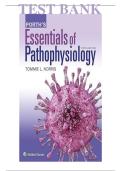
TEST BANK FOR v v
PATHOPHYSIOLOGY: A PRACTICAL APPROACH v v v
By Lachel Story
v v
Additional Test Bank
v v
Table of Contents
v v
Chapter 1 Cellular Function
v v v
Chapter 2 Immunity
v v v
Chapter 3 Hematopoietic Function
v v v
Chapter 4 Cardiovascular Function
v v v v
Chapter 5 Respiratory Function
v v v v
Chapter 6 Fluid, Electrolyte, and Acid-Base Homeostasis
v v v v v v
Chapter 7 Urinary Function
v v v v
Chapter 8 Reproductive Function
v v v
Chapter 9 Gastrointestinal Function
v v v v
Chapter 10 Endocrine Function
v v v v
Chapter 11 Neural Function
v v v v
Chapter 12 Musculoskeletal Function
v v v
Chapter 13 Integumentary Function
v v v v
Chapter 14 Sensory Function
v v v v
, 2
CHAPTER 1 v
QUESTIONS
1. The movement of water or another solvent across the cellular membrane from
v v v v v v v v v v v v
v an area of low solute concentration to an area of high solute concentration is referred to
v v v v v v v v v v v v v v v
v as
A. meiosis.
B. osmosis.
C. lysis.
D. mitosis.
2. Cells become specialized in their structure and function through
v v v v v v v v v
A. proliferation.
B. atrophy.
C. differentiation.
D. pinocytosis.
3. Eradicating the disease is the goal of
v v v v v v v
A. palliative treatment. v
B. all cancer treatment.
v v
C. prophylactic treatment. v
D. curative treatment. v
4. The fetus is most vulnerable to environmental influences during which period of
v v v v v v v v v v v v
v gestation?
A. 10 to 15 days v v v
B. The first 30 days v v v
C. 15 to 60 days v v v
D. The first trimester v v
5. Which form of cellular adaptation occurs because of decreased work demands
v v v v v v v v v v v
v on the cell?
v v
A. Hypertrophy
B. Hyperplasia
C. Atrophy
D. Metaplasia
6. What are the sex chromosomes that a female has?
v v v v v v v v v
A. Paired X chromosomes v v
B. Autosomes
C. One X and one Y chromosome
v v v v v
D. Two Y chromosomes v v
, 3
7. Which disorders are passed from an affected parent to an offspring regardless of
v v v v v v v v v v v v v
v sex?
A. Sex-linked disorders v
B. Fragile X syndrome v v
C. Autosomal dominant disorders v v
D. All of the above v v v
8. Gangrene is a form of
v v v v v
A. caseous necrosis. v
B. liquefaction necrosis. v
C. coagulative necrosis. v
D. fat necrosis.v
9. The genetic information for a cell is contained in the
v v v v v v v v v v
A. nucleus.
B. organelles.
C. lipid bilayer. v
D. cytoplasm.
10. The disease state of a neoplasm is
v v v v v v v
A. apoptosis.
B. atrophy.
C. exocytosis.
D. cancer.
11. A possible teratogen is a(n)
v v v v v
A. lipid bilayer. v
B. allele.
C. infection.
D. chromosome.
12. How many chromosomes do we have?
v v v v v v
A. 23
B. 46
C. Several thousand v
D. About 3 billion v v
13. Selective permeability allows free passage in and out of cells to
v v v v v v v v v v v
A. enzymes.
B. glucose.
C. electrolytes.
D. all of the above.
v v v
14. Which type of cellular adaptation is undergone by the muscles of an extremity
v v v v v v v v v v v v v
v that has been in a cast for a long period of time?
v v v v v v v v v v v
A. Hypertrophy
, 4
B. Metaplasia
C. Dysplasia
D. Hyperplasia
15. Which tumors are usually undifferentiated?
v v v v v
A. Malignant tumors v
B. All tumors are undifferentiated.
v v v
C. Benign tumors v
D. Tumors with less anaplastic cells
v v v v
16. One cause of cell death is
v v v v v v
A. ischemia.
B. apoptosis.
C. necrosis.
D. all of the above.
v v v
17. Variations of a gene are known as
v v v v v v v
A. alleles.
B. autosomes.
C. a karotype.
v
D. DNA.
18. A form of cell division that occurs only in mature sperm and ova is
v v v v v v v v v v v v v v
A. mitosis.
B. prophase.
C. oncogene.
D. meiosis.
19. Which of the following diseases affects only females?
v v v v v v v v
A. Monosomy X (Turner’s syndrome) v v v
B. Trisomy 21 (Down syndrome) v v v
C. Polysomy X (Klinefelter’s syndrome) v v v
D. Tay-Sachs disease v
20. A cancer patient’s likelihood for surviving a cancer is referred to as his or her
v v v v v v v v v v v v v v v
A. remission.
B. prognosis.
C. carcinogenesis.
D. grading.
21. Metaplasia refers to which of the following?
v v v v v v v
A. An increase in the number of cells in an organ or tissue.
v v v v v v v v v v v
B. Cell mutation into cells of a different size, shape, and appearance.
v v v v v v v v v v
C. An increase in the size of cells in an attempt to meet increased demand.
v v v v v v v v v v v v v
D. The process of one adult cell being replaced by another cell type
v v v v v v v v v v v
TEST BANK FOR v v
PATHOPHYSIOLOGY: A PRACTICAL APPROACH v v v
By Lachel Story
v v
Additional Test Bank
v v
Table of Contents
v v
Chapter 1 Cellular Function
v v v
Chapter 2 Immunity
v v v
Chapter 3 Hematopoietic Function
v v v
Chapter 4 Cardiovascular Function
v v v v
Chapter 5 Respiratory Function
v v v v
Chapter 6 Fluid, Electrolyte, and Acid-Base Homeostasis
v v v v v v
Chapter 7 Urinary Function
v v v v
Chapter 8 Reproductive Function
v v v
Chapter 9 Gastrointestinal Function
v v v v
Chapter 10 Endocrine Function
v v v v
Chapter 11 Neural Function
v v v v
Chapter 12 Musculoskeletal Function
v v v
Chapter 13 Integumentary Function
v v v v
Chapter 14 Sensory Function
v v v v
, 2
CHAPTER 1 v
QUESTIONS
1. The movement of water or another solvent across the cellular membrane from
v v v v v v v v v v v v
v an area of low solute concentration to an area of high solute concentration is referred to
v v v v v v v v v v v v v v v
v as
A. meiosis.
B. osmosis.
C. lysis.
D. mitosis.
2. Cells become specialized in their structure and function through
v v v v v v v v v
A. proliferation.
B. atrophy.
C. differentiation.
D. pinocytosis.
3. Eradicating the disease is the goal of
v v v v v v v
A. palliative treatment. v
B. all cancer treatment.
v v
C. prophylactic treatment. v
D. curative treatment. v
4. The fetus is most vulnerable to environmental influences during which period of
v v v v v v v v v v v v
v gestation?
A. 10 to 15 days v v v
B. The first 30 days v v v
C. 15 to 60 days v v v
D. The first trimester v v
5. Which form of cellular adaptation occurs because of decreased work demands
v v v v v v v v v v v
v on the cell?
v v
A. Hypertrophy
B. Hyperplasia
C. Atrophy
D. Metaplasia
6. What are the sex chromosomes that a female has?
v v v v v v v v v
A. Paired X chromosomes v v
B. Autosomes
C. One X and one Y chromosome
v v v v v
D. Two Y chromosomes v v
, 3
7. Which disorders are passed from an affected parent to an offspring regardless of
v v v v v v v v v v v v v
v sex?
A. Sex-linked disorders v
B. Fragile X syndrome v v
C. Autosomal dominant disorders v v
D. All of the above v v v
8. Gangrene is a form of
v v v v v
A. caseous necrosis. v
B. liquefaction necrosis. v
C. coagulative necrosis. v
D. fat necrosis.v
9. The genetic information for a cell is contained in the
v v v v v v v v v v
A. nucleus.
B. organelles.
C. lipid bilayer. v
D. cytoplasm.
10. The disease state of a neoplasm is
v v v v v v v
A. apoptosis.
B. atrophy.
C. exocytosis.
D. cancer.
11. A possible teratogen is a(n)
v v v v v
A. lipid bilayer. v
B. allele.
C. infection.
D. chromosome.
12. How many chromosomes do we have?
v v v v v v
A. 23
B. 46
C. Several thousand v
D. About 3 billion v v
13. Selective permeability allows free passage in and out of cells to
v v v v v v v v v v v
A. enzymes.
B. glucose.
C. electrolytes.
D. all of the above.
v v v
14. Which type of cellular adaptation is undergone by the muscles of an extremity
v v v v v v v v v v v v v
v that has been in a cast for a long period of time?
v v v v v v v v v v v
A. Hypertrophy
, 4
B. Metaplasia
C. Dysplasia
D. Hyperplasia
15. Which tumors are usually undifferentiated?
v v v v v
A. Malignant tumors v
B. All tumors are undifferentiated.
v v v
C. Benign tumors v
D. Tumors with less anaplastic cells
v v v v
16. One cause of cell death is
v v v v v v
A. ischemia.
B. apoptosis.
C. necrosis.
D. all of the above.
v v v
17. Variations of a gene are known as
v v v v v v v
A. alleles.
B. autosomes.
C. a karotype.
v
D. DNA.
18. A form of cell division that occurs only in mature sperm and ova is
v v v v v v v v v v v v v v
A. mitosis.
B. prophase.
C. oncogene.
D. meiosis.
19. Which of the following diseases affects only females?
v v v v v v v v
A. Monosomy X (Turner’s syndrome) v v v
B. Trisomy 21 (Down syndrome) v v v
C. Polysomy X (Klinefelter’s syndrome) v v v
D. Tay-Sachs disease v
20. A cancer patient’s likelihood for surviving a cancer is referred to as his or her
v v v v v v v v v v v v v v v
A. remission.
B. prognosis.
C. carcinogenesis.
D. grading.
21. Metaplasia refers to which of the following?
v v v v v v v
A. An increase in the number of cells in an organ or tissue.
v v v v v v v v v v v
B. Cell mutation into cells of a different size, shape, and appearance.
v v v v v v v v v v
C. An increase in the size of cells in an attempt to meet increased demand.
v v v v v v v v v v v v v
D. The process of one adult cell being replaced by another cell type
v v v v v v v v v v v