Anth 102 8/26/20
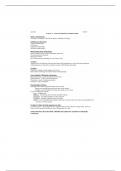
Lectures 1: Course Introduction; Scientific Method
What is Anthropology?
The study of all aspects of the human species, including our biology.
Subfields of Anthropology
Cultural Anthropology
Archeology
Linguistic Anthropology
Biological Anthropology
Biological (Physical) Anthropology
Study of human biology within evolutionary framework
Two principal areas of interest:
Biological variation
How modern species (including our own) came to exist
Variation
Variation refers to differences between individuals within populations as well as between populations.
Anthropologists are interested in variation in terms of both biology and culture.
Evolution
Evolution is change in living organisms over time.
Both cultural and biological evolution interest anthropologists.
Some Subfields of Biological Anthropology
Paleoanthropology - study of the human fossil record
Human genetics - study of the human genome
Primatology - study of nonhuman primates.
Osteology - study of skeletons.
Characteristics of Science
Scientists believe that an organized reality exists in nature
Things occur through natural processes that can be studied
Principles can be formulated to explain how things work in nature
E.g. how raindrops are formed
Facts: verifiable truth
Inference: Conclusions drawn from the available evidence
Hypothesis: A testable explanation of observed facts
Testability: Scientific hypotheses must be testable
Theory: A set of hypotheses that explain a large body of concrete facts, have been tested repeatedly and
that have not been rejected
Evolution is change in living organisms over time
Evolution is a fact…living organisms have changed in the past and continue to change today. There are
forms of life living today that did not exist in the past and vice versa.
Natural Selection is the SCIENTIFIC THEORY that explains how organisms are biologically
transformed
Lectures 1: Course Introduction; Scientific Method
What is Anthropology?
The study of all aspects of the human species, including our biology.
Subfields of Anthropology
Cultural Anthropology
Archeology
Linguistic Anthropology
Biological Anthropology
Biological (Physical) Anthropology
Study of human biology within evolutionary framework
Two principal areas of interest:
Biological variation
How modern species (including our own) came to exist
Variation
Variation refers to differences between individuals within populations as well as between populations.
Anthropologists are interested in variation in terms of both biology and culture.
Evolution
Evolution is change in living organisms over time.
Both cultural and biological evolution interest anthropologists.
Some Subfields of Biological Anthropology
Paleoanthropology - study of the human fossil record
Human genetics - study of the human genome
Primatology - study of nonhuman primates.
Osteology - study of skeletons.
Characteristics of Science
Scientists believe that an organized reality exists in nature
Things occur through natural processes that can be studied
Principles can be formulated to explain how things work in nature
E.g. how raindrops are formed
Facts: verifiable truth
Inference: Conclusions drawn from the available evidence
Hypothesis: A testable explanation of observed facts
Testability: Scientific hypotheses must be testable
Theory: A set of hypotheses that explain a large body of concrete facts, have been tested repeatedly and
that have not been rejected
Evolution is change in living organisms over time
Evolution is a fact…living organisms have changed in the past and continue to change today. There are
forms of life living today that did not exist in the past and vice versa.
Natural Selection is the SCIENTIFIC THEORY that explains how organisms are biologically
transformed