Biology Chapter 1
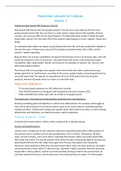
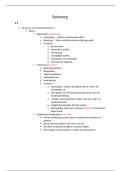
Evidence
+ Science the
process of using observations +
·
:
scientific experiments to draw conclusions based on evidence
methods >
-
science is of method of
a
way knowing a
·
,
answers to questions on the basis of
seeking
observation + experimentation
·
scientists draw conclusions from the best
evidence they have given at the moment ,
the
process is not always easy or straightforward
conclusions based today's evidence be
may
·
on
modified in the future as scientists uncover
additional data or make better observations
·
improved technology may support more-refined data
gathering, this new into can cast a different light on
old conclusions
science is a
never-ending process
·
in the
·
quest to draw sound conclusions , scientists
different types of evidence
rely on
, Biology Chapter 1
·
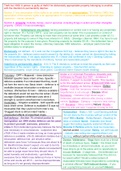
anecdotal evidence informal observation
: an
that has not been systematically tested
·
this kind of evidence is based on personal ,
often
first-hand observations ,
but is often unreliable , by
only 1 or a few data points are involved ,
it's not
possible to draw firm conclusions
·
anecdotal evidence can feel
very persuasive ,
if it seems to corroborate what we have
especially
"seen with our own
eyes" or feels right in our gut ,
this sort of evidence often fuels
many scientific
controversies you read about in the news
·
anecdotal evidence is often unreliable it
although ,
can be a
starting point for a scientific investigation .
as an observation it can lead you to formulated
,
question that you want to investigate further .
When scientists seek to answer question
a
they
·
,
begin by reviewing existing literature on the topic
,
this information is available in online databases
of journal articles and in
university libraries
Evidence
+ Science the
process of using observations +
·
:
scientific experiments to draw conclusions based on evidence
methods >
-
science is of method of
a
way knowing a
·
,
answers to questions on the basis of
seeking
observation + experimentation
·
scientists draw conclusions from the best
evidence they have given at the moment ,
the
process is not always easy or straightforward
conclusions based today's evidence be
may
·
on
modified in the future as scientists uncover
additional data or make better observations
·
improved technology may support more-refined data
gathering, this new into can cast a different light on
old conclusions
science is a
never-ending process
·
in the
·
quest to draw sound conclusions , scientists
different types of evidence
rely on
, Biology Chapter 1
·
anecdotal evidence informal observation
: an
that has not been systematically tested
·
this kind of evidence is based on personal ,
often
first-hand observations ,
but is often unreliable , by
only 1 or a few data points are involved ,
it's not
possible to draw firm conclusions
·
anecdotal evidence can feel
very persuasive ,
if it seems to corroborate what we have
especially
"seen with our own
eyes" or feels right in our gut ,
this sort of evidence often fuels
many scientific
controversies you read about in the news
·
anecdotal evidence is often unreliable it
although ,
can be a
starting point for a scientific investigation .
as an observation it can lead you to formulated
,
question that you want to investigate further .
When scientists seek to answer question
a
they
·
,
begin by reviewing existing literature on the topic
,
this information is available in online databases
of journal articles and in
university libraries