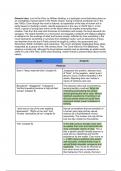
Generic intro: Lord of the Flies, by William Golding, is a dystopian novel that takes place on
an uninhabited, tropical island in the Pacific Ocean, during a fictional worldwide war in the
late 1950's. Even though the novel is fictional, its exploration of the idea of human evil is
partly based on Golding's violent, real-life experience in the navy in World War II. In the
novel, a group of young boys arrive on the island when an airplane evacuating them
crashes. Free from the rules and structures of civilization and society, the boys descend into
savagery. The island therefore is a microcosm and arguably a political and religious allegory,
a metaphor for the workings of adult and human society; reflected by how everything in the
novel represents something or someone from Golding's world, such as behaviours of boys
and teachers from the boy’s Public school he taught at, politics, the government and
democracy, British civilisation and supremacy. The novel, alongside challenging these ideas,
responded as a parody to the 19th century book: The Coral Island by R.M Ballantyne. This
employs a similar plot, although the boys behave sensibly and as admirably as adults would,
unlike in Lord of the Flies, which uses shocking, violent events to present ideas about human
nature.
Quote Analysis
Violence
Sow in "deep maternal bliss" (chapter 8) Juxtaposes the positive, abstract noun
of "bliss", to the negative, violent event
about to occur. Evokes sympathy in the
reader. Rejecting their own mother’s
values of kindness and care.
Blundered", "Staggered", "Collapsed" - The physical verbs and overwhelming
'terrified squealing became a high-pitched sensory/auditory overload. Boys are
scream' (chapter 8) victimising and bullying the weaker
animal ignoring the sow’s cries. Mirrors
Golding's experience of working in an
all-boys school where he would have
witnessed similar power imbalance in
bullying.
“Jack was on top of the sow stabbing Sexual connotations that are symbolic of
downwards”, "Right up her ass!" and a human gang rape portray sexual
"Hurled themselves at her" (chapter 8) violence as a manifestation of toxic
masculinity. The hunters not only kill the
sow but also violate her boundaries.
“Her” (chapter 8) In the 20th century, females were seen
as weaker than men and historically are
more vulnerable victims of rape. This is
why a gender specific female pronoun is
used and is a disturbing and horrific
experience for the reader. Even more so
to a 20th century audience who expect
well educated, civilised British boys to
uphold British etiquette, arrogance and
superiority. They would be shocked at
how when there are no restraints on
their behaviour from society, the boy's
an uninhabited, tropical island in the Pacific Ocean, during a fictional worldwide war in the
late 1950's. Even though the novel is fictional, its exploration of the idea of human evil is
partly based on Golding's violent, real-life experience in the navy in World War II. In the
novel, a group of young boys arrive on the island when an airplane evacuating them
crashes. Free from the rules and structures of civilization and society, the boys descend into
savagery. The island therefore is a microcosm and arguably a political and religious allegory,
a metaphor for the workings of adult and human society; reflected by how everything in the
novel represents something or someone from Golding's world, such as behaviours of boys
and teachers from the boy’s Public school he taught at, politics, the government and
democracy, British civilisation and supremacy. The novel, alongside challenging these ideas,
responded as a parody to the 19th century book: The Coral Island by R.M Ballantyne. This
employs a similar plot, although the boys behave sensibly and as admirably as adults would,
unlike in Lord of the Flies, which uses shocking, violent events to present ideas about human
nature.
Quote Analysis
Violence
Sow in "deep maternal bliss" (chapter 8) Juxtaposes the positive, abstract noun
of "bliss", to the negative, violent event
about to occur. Evokes sympathy in the
reader. Rejecting their own mother’s
values of kindness and care.
Blundered", "Staggered", "Collapsed" - The physical verbs and overwhelming
'terrified squealing became a high-pitched sensory/auditory overload. Boys are
scream' (chapter 8) victimising and bullying the weaker
animal ignoring the sow’s cries. Mirrors
Golding's experience of working in an
all-boys school where he would have
witnessed similar power imbalance in
bullying.
“Jack was on top of the sow stabbing Sexual connotations that are symbolic of
downwards”, "Right up her ass!" and a human gang rape portray sexual
"Hurled themselves at her" (chapter 8) violence as a manifestation of toxic
masculinity. The hunters not only kill the
sow but also violate her boundaries.
“Her” (chapter 8) In the 20th century, females were seen
as weaker than men and historically are
more vulnerable victims of rape. This is
why a gender specific female pronoun is
used and is a disturbing and horrific
experience for the reader. Even more so
to a 20th century audience who expect
well educated, civilised British boys to
uphold British etiquette, arrogance and
superiority. They would be shocked at
how when there are no restraints on
their behaviour from society, the boy's