Russia empire and nationalities practice essay 2
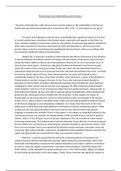
‘The policy of Russification under the tsars had a greater impact on the nationalities in the Russian
Empire than any other government policy in the period 1855-1964.’ To what extent do you agree?
The policy of Russification under the tsars undoubtedly had a significant impact on the level
of control wielded over minorities in the Russian Empire, especially with regards to the Poles, the
Finns and those residing in Central Asia. However, the policies of repression and violence adopted by
other rulers towards the minorities, particularly by Stalin and Alexander III, seem to have had a
greater impact overall on maintaining and expanding the Russian Empire, always succeeding unlike
the sometimes ineffective policies of Russification.
Despite this, it would be a mistake to underestimate the effects of the policy of Russification,
as demonstrated by the Milyutin reforms. Through a shrewd mixture of repression and concession –
exiling the Polish nobility to Siberia yet emancipating the Polish serfs on more favourable terms to
their Russian counterparts – Poland was effectively Russified by Alexander II and firmly brought
under the control of the central government. At the same time, the plan diminished the level of
nationalism along with the level of autonomy the Poles had experienced before the revolt, as Poland
became the Vistula region of Russia. From this perspective, the policy of Russification had a
considerable impact on the lives of the Poles. Similarly, under Nicholas II, a policy of Russification in
Finland marked a decisive change in fortunes for the Finns, who had been treated liberally by
Alexander III and his father. Nicholas II abolished the separate Finnish Parliament, which had been
established in 1863, and Russian became the main language. By 1906, Finland was fully Russified
under Stolypin’s reforms as it lost all autonomy which had been gained previously. Subsequently, in
both Poland and Finland, all tsars were able to operate policies of Russification which tightened the
grasp that the central government wielded over the minorities. In that respect, the impact of
Russification can be measured by its success in maintaining the unity and strength of the Russian
Empire. This is clearly evident in the Baltic states, which were all easily Russified through the spread
of the Russian language to each educational institution. As a result, they were some of the most
stable areas of the Empire and made significant contributions to Russia’s industrial progress. While
Central Asia was not exactly Russified in the sense that the tsars did not enforce the Russian
language or establish the Orthodox Church in the region, it was subject to integration policies by the
central governments. For example, the Steppe Statue of 1891 granted 40 acres of land to peasant
settlers, while in 1910, Stolypin’s push for greater migration to the area resulted in native-owned
land being expropriated. This demonstrates that both Alexander III and Nicholas II wanted to expand
Russian influence in Central Asia by minimising the national minorities to second-class citizens. Their
lives were not changed, but it was hoped that the Russians would eventually outnumber them and
overpower their cultural identity. In this sense, Russification firmly established Russian control in the
region and allowed the tsars to benefit from their vast economic resources.
However, it could be argued that the primarily communist policies of repression and
violence towards national minorities had a greater impact during the period between 1855-1964.
Both Stalin and Alexander III massacred the national minorities in the Empire’s spheres of influence
in order to assert the regime’s domination; in the Katyn Forest Massacre, the NKVD purged 4231
Polish officers, whilst Alexander III massacred Russian Jews in the ‘little thunder’ killings, prompted
by anti-Semitic group known as the Holy League. Clearly, these measures had significant impacts in
‘The policy of Russification under the tsars had a greater impact on the nationalities in the Russian
Empire than any other government policy in the period 1855-1964.’ To what extent do you agree?
The policy of Russification under the tsars undoubtedly had a significant impact on the level
of control wielded over minorities in the Russian Empire, especially with regards to the Poles, the
Finns and those residing in Central Asia. However, the policies of repression and violence adopted by
other rulers towards the minorities, particularly by Stalin and Alexander III, seem to have had a
greater impact overall on maintaining and expanding the Russian Empire, always succeeding unlike
the sometimes ineffective policies of Russification.
Despite this, it would be a mistake to underestimate the effects of the policy of Russification,
as demonstrated by the Milyutin reforms. Through a shrewd mixture of repression and concession –
exiling the Polish nobility to Siberia yet emancipating the Polish serfs on more favourable terms to
their Russian counterparts – Poland was effectively Russified by Alexander II and firmly brought
under the control of the central government. At the same time, the plan diminished the level of
nationalism along with the level of autonomy the Poles had experienced before the revolt, as Poland
became the Vistula region of Russia. From this perspective, the policy of Russification had a
considerable impact on the lives of the Poles. Similarly, under Nicholas II, a policy of Russification in
Finland marked a decisive change in fortunes for the Finns, who had been treated liberally by
Alexander III and his father. Nicholas II abolished the separate Finnish Parliament, which had been
established in 1863, and Russian became the main language. By 1906, Finland was fully Russified
under Stolypin’s reforms as it lost all autonomy which had been gained previously. Subsequently, in
both Poland and Finland, all tsars were able to operate policies of Russification which tightened the
grasp that the central government wielded over the minorities. In that respect, the impact of
Russification can be measured by its success in maintaining the unity and strength of the Russian
Empire. This is clearly evident in the Baltic states, which were all easily Russified through the spread
of the Russian language to each educational institution. As a result, they were some of the most
stable areas of the Empire and made significant contributions to Russia’s industrial progress. While
Central Asia was not exactly Russified in the sense that the tsars did not enforce the Russian
language or establish the Orthodox Church in the region, it was subject to integration policies by the
central governments. For example, the Steppe Statue of 1891 granted 40 acres of land to peasant
settlers, while in 1910, Stolypin’s push for greater migration to the area resulted in native-owned
land being expropriated. This demonstrates that both Alexander III and Nicholas II wanted to expand
Russian influence in Central Asia by minimising the national minorities to second-class citizens. Their
lives were not changed, but it was hoped that the Russians would eventually outnumber them and
overpower their cultural identity. In this sense, Russification firmly established Russian control in the
region and allowed the tsars to benefit from their vast economic resources.
However, it could be argued that the primarily communist policies of repression and
violence towards national minorities had a greater impact during the period between 1855-1964.
Both Stalin and Alexander III massacred the national minorities in the Empire’s spheres of influence
in order to assert the regime’s domination; in the Katyn Forest Massacre, the NKVD purged 4231
Polish officers, whilst Alexander III massacred Russian Jews in the ‘little thunder’ killings, prompted
by anti-Semitic group known as the Holy League. Clearly, these measures had significant impacts in