Necrotising Fasciitis
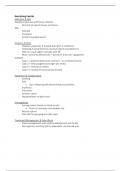
Definition & DDx
Rapidly progressive soft tissue infection
- Necrosis of subcut tissues and fascia
DDx
- Cellulitis
- Erysipelas
- Pyoderma gangrenosum
Anatomy & Risks
- Diabetes (especially if treated with SGLT-2 inhibitors)
- Following trauma/external injuries/surgical wounds/burns
- CKD can cause higher mortality with NF
- Most commonly affected site = perineum (Fournier’s gangrene)
Subtypes
- Type 1 = polymicrobial (most common – on trunk/perineum)
- Type 2 = strep pyogenes (younger pts, limbs)
- Type 3 = clostridium (IVDU)
- Type 4 = candida (immunocompromised)
Symptoms & Complications
- Swelling
- Pain
o Out of keeping with physical features/cellulitis
- Erythema
- Induration
- Systemic upset
- Hypoaesthesia to light touch
Investigations
- Scoring system based on blood results
o Score ≥5 indicates intermediate risk
- Wound culture
- Plain XRs for gas gangrene (late sign)
Treatment/Management & Side effects
- Rapid management with surgical debridement and IV abx
- Abx organism and local policy dependent; start broad spec
, Pneumonia
Definition & DDx
Bacterial
- Strep pneumoniae (most common CAP and in children; can cause 2º meningitis in
>3mths and adults)
- H influenzae (most common in COPD; assoc. acute epiglottitis, bronchiectasis
exacerbations)
- Staph aureus (common post-influenza)
- Klebsiella pneumoniae (common in alcoholics, diabetics and impaired swallow; ‘red-
currant jelly’ sputum, often affects upper lobes)
- Pseudomonas (CF/immunocompromised patients)
- Legionella (2º to air conditioning units; hyponatraemia and lymphopenia)
- Mycoplasma (atypical pneumonia, erythema multiforme and cold autoimmune
haemolytic anaemia; dry cough; bullous myringitis (painful vesicles on tympanic
membrane))
Viral
- Influenza
- RSV (extremes of age; leads to bronchiolitis)
Fungal
- PCP / Pneumocystis jirovecii
o Immunocompromised / underlying lung disease
o Stains with silver stain
o Most common opportunistic AIDs infection
o Prophylaxis for pts with CD4 ≤200
o Few chest signs; exertional dyspnoea
- Histoplasma / cryptococcus (india ink +ve) / aspergillus
HAP – occurs ≥48hrs after admission
Anatomy & Risks
- Extremes of age
- Chronic resp disease
- Immunosuppression
- Aspiration risk (can lead to polymicrobial infection)
o R middle and lower lobes most affected
- Smoking
- Pneumococcal characteristic features
o Herpes cold sores
o Pleuritic chest pain
o High fever
o Rapid onset
Symptoms & Complications
- Cough (+/- Purulent sputum (bacterial))
- Dyspnoea
- Pleuritic chest pain
Definition & DDx
Rapidly progressive soft tissue infection
- Necrosis of subcut tissues and fascia
DDx
- Cellulitis
- Erysipelas
- Pyoderma gangrenosum
Anatomy & Risks
- Diabetes (especially if treated with SGLT-2 inhibitors)
- Following trauma/external injuries/surgical wounds/burns
- CKD can cause higher mortality with NF
- Most commonly affected site = perineum (Fournier’s gangrene)
Subtypes
- Type 1 = polymicrobial (most common – on trunk/perineum)
- Type 2 = strep pyogenes (younger pts, limbs)
- Type 3 = clostridium (IVDU)
- Type 4 = candida (immunocompromised)
Symptoms & Complications
- Swelling
- Pain
o Out of keeping with physical features/cellulitis
- Erythema
- Induration
- Systemic upset
- Hypoaesthesia to light touch
Investigations
- Scoring system based on blood results
o Score ≥5 indicates intermediate risk
- Wound culture
- Plain XRs for gas gangrene (late sign)
Treatment/Management & Side effects
- Rapid management with surgical debridement and IV abx
- Abx organism and local policy dependent; start broad spec
, Pneumonia
Definition & DDx
Bacterial
- Strep pneumoniae (most common CAP and in children; can cause 2º meningitis in
>3mths and adults)
- H influenzae (most common in COPD; assoc. acute epiglottitis, bronchiectasis
exacerbations)
- Staph aureus (common post-influenza)
- Klebsiella pneumoniae (common in alcoholics, diabetics and impaired swallow; ‘red-
currant jelly’ sputum, often affects upper lobes)
- Pseudomonas (CF/immunocompromised patients)
- Legionella (2º to air conditioning units; hyponatraemia and lymphopenia)
- Mycoplasma (atypical pneumonia, erythema multiforme and cold autoimmune
haemolytic anaemia; dry cough; bullous myringitis (painful vesicles on tympanic
membrane))
Viral
- Influenza
- RSV (extremes of age; leads to bronchiolitis)
Fungal
- PCP / Pneumocystis jirovecii
o Immunocompromised / underlying lung disease
o Stains with silver stain
o Most common opportunistic AIDs infection
o Prophylaxis for pts with CD4 ≤200
o Few chest signs; exertional dyspnoea
- Histoplasma / cryptococcus (india ink +ve) / aspergillus
HAP – occurs ≥48hrs after admission
Anatomy & Risks
- Extremes of age
- Chronic resp disease
- Immunosuppression
- Aspiration risk (can lead to polymicrobial infection)
o R middle and lower lobes most affected
- Smoking
- Pneumococcal characteristic features
o Herpes cold sores
o Pleuritic chest pain
o High fever
o Rapid onset
Symptoms & Complications
- Cough (+/- Purulent sputum (bacterial))
- Dyspnoea
- Pleuritic chest pain