Cold War
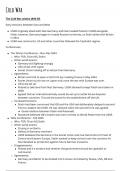
The Cold War origins 1941-56
Early tensions between East and West
USSR originally allied with Nazi Germany and had invaded Poland in 1939 alongside
Hitler, however, Germany began to invade Russian territories, so Stalin allied with Britain
in 1941.
USSR was communist, US and other countries followed the Capitalist regime.
Conferences
The Tehran Conference ~ Nov-Dec 1943
Who: FDR, Churchill, Stalin
Other world events:
Germany still fighting strongly
USA at war with Japan
Soviet Union holding off an attack from Germany.
Agreements:
Britain and USA to open a 2nd front by invading France in May 1944.
Soviet Union to join war on Japan only once the war with Europe was over.
UN to be set up
Poland to take land from Nazi Germany. USSR allowed to keep Polish land taken in
1939.
Agreed that an international body would be set up to settle future disputes
between countries. This set the scene for the stablishment off the UN.
Increased tensions:
Stalin had been concerned that GB and the USA had deliberately delayed a second
front to weaken the USSR. He was relieved when the second front was agreed.
Good relations between Stalin and Roosevelt.
Roosevelt believed GB’s empire was more a threat to World Peace then the USSR.
Yalta Conference ~ Feb 1945
Who: FDR, Churchill,Stalin
Other world events:
Closing in on Berlin
Defeat of Germany imminent
USSR defeated the Germans in the Soviet Union and now had control of most of
Central and Eastern Europe. Stalin wanted to keep control over the counters he
has liberated as protection against future German invasions.
Disagreements:
Poland and it’s borders and whether the government should be capitalist or
communist.
Agreements:
Germany and Berlin to be divided into 4 zones controlled by Russia, USA, GB and
France.
, Germany to pay reparations to the allies- half to go to the USSR.
Nazi war criminals to be put on trial after the Nuremburg
Free elections for liberated countries
UN to maintain peace
Soviets would enter the war against Japan once Germany surrendered
Eastern Europe to be a soviet sphere of influence.
Increase tensions?
Roosevelt and Stalin were pleased to get to an agreement on free elections and the
UN.
Tensions over Poland’s future. Stalin wanted a communist government in place,
USA and GB push for free elections to take place.
Potsdam~ July-August 1945
Who: Truman, Atlee, Stalin
Other world events:
Soviet troops liberated Eastern Europe- but left their armies there.
Germany had surrendered, May 1945, and the war with Japan continued.
American scientists developed the atomic bomb and was tested the day after the
conference began.
UN created, June 1945.
Agreements:
Divide and demilitarise Germany and Berlin into 4 zones and re-establish
democracy in Germany.
Reparation to be paid by Germany, mostly to the Soviet Union.
Ban the Nazi Party under the Nuremberg laws.
UN agreed upon.
Disagreements;
What to do with Germany- Stalin wanted compensation and to cripple Germany,
Truman wanted a strong Germany as a barrier against the soviets.
Free elections in Eastern Europe, Truman was concerned over soviet control of
Eastern Europe.
Truman rejected previous agreements made concerning Poland.
Increase Tensions?
A change in leaders created tension at this conference.
Truman had a ‘get tough’ approach with Stalin. He deliberately delayed the
conference until the A bomb was ready for use, which gave him an edge in
discussions.
Development of the Atomic bomb soured relations.
Defeat of the Nazis had also taken away the need to work against a common
enemy.
Truman didn’t want soviet control over Eastern Europe but did nothing in fear of
triggering war.
The end of the Grand Alliance
The USA dropped atomic bombs on Japan in August 1945.
Roosevelt was prepared to work with Stalin, however his successor, Truman, had a
harsh approach to Stalin, which caused much dislike and tension between the two ,
, especially after Potsdam in 1945.
This led to the start of the Cold War.
The breakdown of trust/ the telegrams
Communism V Capitalism
Capitalism: - based on freedom and democracy
Everyone should be free to make money for themselves.
Individuals are better at deciding what to make/sell than the state.
Trade between countries makes everyone richer.
Communism: -based on fairness
Thought that capitalims only makes some people rich by exploiting everyone else.
Individual are not as strong as everyone working together for the same aim.
The state should take control of the economy and run it to benefit everyone.
The Long Telegram (1946)
A secret report from the US ambassador Kennan in Moscow to President Truman.
Said:
The USSR saw capitalism as a threat to communism that had to be destroyed.
The Soviet Union was building its military power.
Peace between a communist Soviet Union and a capitalist USA was not possible.
Novikov’s Telegram (1946)
a report from Novikov, Soviet ambassador to the USA.
Said:
The USA wanted world domination and was building up it’s military strength.
The Soviet Union was the only country left after war that could stand up to the
USA.
The USA was preparing it’s people for war with the Soviet Union.
Satellite states
Communism and ‘free’ elections
At Yalta and Potsdam conferences, the Soviet Union agreed to free elections in the
countries in it’s sphere of influence.
However, elections were fixed to make sure the Communist Party won and non-
communists were removed from government.
Once in control, the communists shut down the opposition parties and each country
became a single-party state.
Growing Soviet influence in Eastern Europe
Bulgaria- A communist government was elected in 1945, and all elected non-
communists were executed.
Romania- A communist-led coalition took power. However, by 1947 the communists
had taken over and Romania became a one-party state.
Poland- At Yalta, Stalin promised to set up a joint communist/non-communist
government. He then invited 16 non-communist leaders to Moscow and arrested
them. Thousands of non-communists were arrested. The communists then ‘won’ the
1947 election.
The Cold War origins 1941-56
Early tensions between East and West
USSR originally allied with Nazi Germany and had invaded Poland in 1939 alongside
Hitler, however, Germany began to invade Russian territories, so Stalin allied with Britain
in 1941.
USSR was communist, US and other countries followed the Capitalist regime.
Conferences
The Tehran Conference ~ Nov-Dec 1943
Who: FDR, Churchill, Stalin
Other world events:
Germany still fighting strongly
USA at war with Japan
Soviet Union holding off an attack from Germany.
Agreements:
Britain and USA to open a 2nd front by invading France in May 1944.
Soviet Union to join war on Japan only once the war with Europe was over.
UN to be set up
Poland to take land from Nazi Germany. USSR allowed to keep Polish land taken in
1939.
Agreed that an international body would be set up to settle future disputes
between countries. This set the scene for the stablishment off the UN.
Increased tensions:
Stalin had been concerned that GB and the USA had deliberately delayed a second
front to weaken the USSR. He was relieved when the second front was agreed.
Good relations between Stalin and Roosevelt.
Roosevelt believed GB’s empire was more a threat to World Peace then the USSR.
Yalta Conference ~ Feb 1945
Who: FDR, Churchill,Stalin
Other world events:
Closing in on Berlin
Defeat of Germany imminent
USSR defeated the Germans in the Soviet Union and now had control of most of
Central and Eastern Europe. Stalin wanted to keep control over the counters he
has liberated as protection against future German invasions.
Disagreements:
Poland and it’s borders and whether the government should be capitalist or
communist.
Agreements:
Germany and Berlin to be divided into 4 zones controlled by Russia, USA, GB and
France.
, Germany to pay reparations to the allies- half to go to the USSR.
Nazi war criminals to be put on trial after the Nuremburg
Free elections for liberated countries
UN to maintain peace
Soviets would enter the war against Japan once Germany surrendered
Eastern Europe to be a soviet sphere of influence.
Increase tensions?
Roosevelt and Stalin were pleased to get to an agreement on free elections and the
UN.
Tensions over Poland’s future. Stalin wanted a communist government in place,
USA and GB push for free elections to take place.
Potsdam~ July-August 1945
Who: Truman, Atlee, Stalin
Other world events:
Soviet troops liberated Eastern Europe- but left their armies there.
Germany had surrendered, May 1945, and the war with Japan continued.
American scientists developed the atomic bomb and was tested the day after the
conference began.
UN created, June 1945.
Agreements:
Divide and demilitarise Germany and Berlin into 4 zones and re-establish
democracy in Germany.
Reparation to be paid by Germany, mostly to the Soviet Union.
Ban the Nazi Party under the Nuremberg laws.
UN agreed upon.
Disagreements;
What to do with Germany- Stalin wanted compensation and to cripple Germany,
Truman wanted a strong Germany as a barrier against the soviets.
Free elections in Eastern Europe, Truman was concerned over soviet control of
Eastern Europe.
Truman rejected previous agreements made concerning Poland.
Increase Tensions?
A change in leaders created tension at this conference.
Truman had a ‘get tough’ approach with Stalin. He deliberately delayed the
conference until the A bomb was ready for use, which gave him an edge in
discussions.
Development of the Atomic bomb soured relations.
Defeat of the Nazis had also taken away the need to work against a common
enemy.
Truman didn’t want soviet control over Eastern Europe but did nothing in fear of
triggering war.
The end of the Grand Alliance
The USA dropped atomic bombs on Japan in August 1945.
Roosevelt was prepared to work with Stalin, however his successor, Truman, had a
harsh approach to Stalin, which caused much dislike and tension between the two ,
, especially after Potsdam in 1945.
This led to the start of the Cold War.
The breakdown of trust/ the telegrams
Communism V Capitalism
Capitalism: - based on freedom and democracy
Everyone should be free to make money for themselves.
Individuals are better at deciding what to make/sell than the state.
Trade between countries makes everyone richer.
Communism: -based on fairness
Thought that capitalims only makes some people rich by exploiting everyone else.
Individual are not as strong as everyone working together for the same aim.
The state should take control of the economy and run it to benefit everyone.
The Long Telegram (1946)
A secret report from the US ambassador Kennan in Moscow to President Truman.
Said:
The USSR saw capitalism as a threat to communism that had to be destroyed.
The Soviet Union was building its military power.
Peace between a communist Soviet Union and a capitalist USA was not possible.
Novikov’s Telegram (1946)
a report from Novikov, Soviet ambassador to the USA.
Said:
The USA wanted world domination and was building up it’s military strength.
The Soviet Union was the only country left after war that could stand up to the
USA.
The USA was preparing it’s people for war with the Soviet Union.
Satellite states
Communism and ‘free’ elections
At Yalta and Potsdam conferences, the Soviet Union agreed to free elections in the
countries in it’s sphere of influence.
However, elections were fixed to make sure the Communist Party won and non-
communists were removed from government.
Once in control, the communists shut down the opposition parties and each country
became a single-party state.
Growing Soviet influence in Eastern Europe
Bulgaria- A communist government was elected in 1945, and all elected non-
communists were executed.
Romania- A communist-led coalition took power. However, by 1947 the communists
had taken over and Romania became a one-party state.
Poland- At Yalta, Stalin promised to set up a joint communist/non-communist
government. He then invited 16 non-communist leaders to Moscow and arrested
them. Thousands of non-communists were arrested. The communists then ‘won’ the
1947 election.