Unit 8: Physiology of human body systems
I'll be studying every facet of the skeletal system for this assignment. Additionally, I'll be looking into
three diseases that affect the musculoskeletal system and how they impair a patient's ability to
move, as well as the many treatments for these conditions and which one is the best for the patient.
The human skeleton serves six primary purposes:
1. Support - the skeleton gives us support, allows us to keep our bodies upright, and serves as a
framework for the attachment of muscles and tissues.
2. Posture - Our skeleton gives our body the right shape.
3. Protection - The bones in our skeleton serve to safeguard our internal organs, lessen the -
possibility of injury, and lessen the effects of injury on sensitive organs. The skull, which shields
the brain, is one example of this. Heart and lungs are protected by the ribs, and delicate
reproductive systems are protected by the pelvis.
4. The production of blood cell - The bone marrow found in some skeleton bones is responsible
for the production of platelets, white blood cells, and red blood cells. The pelvis, sternum,
humerus, and femur are some examples of bones that contain bone marrow.
5. Mineral storage - Bones contain minerals and also serve as a reservoir for calcium and
phosphorus, which can be released into the blood when necessary.
6. Endocrine regulation - Osteocalcin, a hormone released by bone cells, helps control how much
fat and glucose are deposited in the body. Osteocalcin boosts the number of insulin-producing
cells, improves insulin sensitivity, decreases fat storage, and increases insulin secretion.
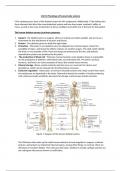
Figure 1: diagram of the human skeletal system.
The 206 bones that make up the adult human skeleton all work together to support, maintain
posture, and protect our important internal organs, among other things. In contrast, there are
305 bones in newborn babies. This is because the baby's skeleton is mostly cartilage and has not
yet undergone the process known as ossification.
, During the course of an infant's and child's development, the body's initially very soft cartilage
eventually transforms into hard bone. The skeleton is accompanied by ligaments, tendons, and
muscles that support various joint movements as well as help bones keep their proper posture
and position. The axial skeleton and the appendicular skeleton are the two components of the
human skeletal system. The 80 bones that make up the axial skeleton include the head, sternum,
ribs, pelvis, and spinal column. The brain, spinal cord, and several other essential internal organs
are protected and supported by this central core of the human skeleton. It also offers places for
the body's other bones and muscles to attach. The upper and lower extremities, as well as any
supporting girdles, make up the appendicular skeleton. The 126 bones that make up the
appendicular skeleton. Examples of bones in the appendicular skeleton are the humerus, radius
and ulna in the arms, femur, tibia and\fibula in the leg, scapula and clavicle in the shoulder\sand
the bones in the hands and feet. The appendicular skeleton serves as anchoring sites for the
bones and muscles that make up joints for motions like jumping and running as well as activities
like writing. In addition, the femur and humerus, two examples of long bones, create blood from
the bone marrow. Additionally, the bones in the appendicular skeleton serve as a mineral
reserve for calcium and phosphorus ions, which can be released into the blood as necessary.
Figure 2: diagram of the Axial and Appendicular skeleton parts
Skeletal muscles' key functions are:
1. Movement: Skeletal muscles, which are also responsible for breathing, work in antagonist pairs
(one muscle contracts to move the body part, the other muscle in the pair contracts to return
the body part to its initial position).
2. Posture: The ability to move your spine and other joints normally, as well as having effective
postural muscles that are balanced on both sides of the spine, are all necessary for maintaining
excellent posture. In order to produce muscular tone, some muscle fires are also constantly
constrained.
3. Stabilise joints: Joint stabilisation is mostly dependent on the muscles that surround a joint. For
instance, the rotator cuff muscle supports the arm by retaining the head of the humerus in the
scapular's shallow glenoid cavity. The shoulder may dislocate if muscle tone has been lost.
, 4. Generate heat: Create heat by contracting muscles more strongly while moving, shaking, and
breathing more quickly. Heat energy is created during ATP synthesis, which aids in maintaining
the normal body temperature of 37 °C.
Figure 3: diagram of muscles in the human body
Muscles in the body can be classified as skeletal (striated), smooth (visceral), and cardiac (heart).
Skeletal muscles, which are connected to the skeleton's bones by ligaments, are in charge of skeletal
movement. They are therefore the peripheral portion of the central nervous system (CNS), which
means they are muscles whose action is typically managed by a person's volition. These muscles
have striated fibres (in streaks). The walls of hollow internal organs including blood arteries, the
digestive system, the bladder, and the uterus all include smooth muscles. The autonomic nervous
system is in charge of these kinds of muscles. The autonomic nervous system controls certain bodily
functions including blood pressure and respiratory rate automatically (without a person's conscious
effort). Also, these muscles contract to assist with the movement and breakdown of food through
the\digestive tract. Spindle-shaped smooth muscles have only one nucleus. The contractile
chambers of the heart are made up of cardiac (heart) muscles, which are also present in the walls of
the heart. The autonomic nervous system also has control over it. The heart beats as a result of the
contraction of these muscles. The cardiac muscles contract uncontrollably, forcefully, and
rhythmically.
Figure 4: diagram of different muscle types in the human body
I'll be studying every facet of the skeletal system for this assignment. Additionally, I'll be looking into
three diseases that affect the musculoskeletal system and how they impair a patient's ability to
move, as well as the many treatments for these conditions and which one is the best for the patient.
The human skeleton serves six primary purposes:
1. Support - the skeleton gives us support, allows us to keep our bodies upright, and serves as a
framework for the attachment of muscles and tissues.
2. Posture - Our skeleton gives our body the right shape.
3. Protection - The bones in our skeleton serve to safeguard our internal organs, lessen the -
possibility of injury, and lessen the effects of injury on sensitive organs. The skull, which shields
the brain, is one example of this. Heart and lungs are protected by the ribs, and delicate
reproductive systems are protected by the pelvis.
4. The production of blood cell - The bone marrow found in some skeleton bones is responsible
for the production of platelets, white blood cells, and red blood cells. The pelvis, sternum,
humerus, and femur are some examples of bones that contain bone marrow.
5. Mineral storage - Bones contain minerals and also serve as a reservoir for calcium and
phosphorus, which can be released into the blood when necessary.
6. Endocrine regulation - Osteocalcin, a hormone released by bone cells, helps control how much
fat and glucose are deposited in the body. Osteocalcin boosts the number of insulin-producing
cells, improves insulin sensitivity, decreases fat storage, and increases insulin secretion.
Figure 1: diagram of the human skeletal system.
The 206 bones that make up the adult human skeleton all work together to support, maintain
posture, and protect our important internal organs, among other things. In contrast, there are
305 bones in newborn babies. This is because the baby's skeleton is mostly cartilage and has not
yet undergone the process known as ossification.
, During the course of an infant's and child's development, the body's initially very soft cartilage
eventually transforms into hard bone. The skeleton is accompanied by ligaments, tendons, and
muscles that support various joint movements as well as help bones keep their proper posture
and position. The axial skeleton and the appendicular skeleton are the two components of the
human skeletal system. The 80 bones that make up the axial skeleton include the head, sternum,
ribs, pelvis, and spinal column. The brain, spinal cord, and several other essential internal organs
are protected and supported by this central core of the human skeleton. It also offers places for
the body's other bones and muscles to attach. The upper and lower extremities, as well as any
supporting girdles, make up the appendicular skeleton. The 126 bones that make up the
appendicular skeleton. Examples of bones in the appendicular skeleton are the humerus, radius
and ulna in the arms, femur, tibia and\fibula in the leg, scapula and clavicle in the shoulder\sand
the bones in the hands and feet. The appendicular skeleton serves as anchoring sites for the
bones and muscles that make up joints for motions like jumping and running as well as activities
like writing. In addition, the femur and humerus, two examples of long bones, create blood from
the bone marrow. Additionally, the bones in the appendicular skeleton serve as a mineral
reserve for calcium and phosphorus ions, which can be released into the blood as necessary.
Figure 2: diagram of the Axial and Appendicular skeleton parts
Skeletal muscles' key functions are:
1. Movement: Skeletal muscles, which are also responsible for breathing, work in antagonist pairs
(one muscle contracts to move the body part, the other muscle in the pair contracts to return
the body part to its initial position).
2. Posture: The ability to move your spine and other joints normally, as well as having effective
postural muscles that are balanced on both sides of the spine, are all necessary for maintaining
excellent posture. In order to produce muscular tone, some muscle fires are also constantly
constrained.
3. Stabilise joints: Joint stabilisation is mostly dependent on the muscles that surround a joint. For
instance, the rotator cuff muscle supports the arm by retaining the head of the humerus in the
scapular's shallow glenoid cavity. The shoulder may dislocate if muscle tone has been lost.
, 4. Generate heat: Create heat by contracting muscles more strongly while moving, shaking, and
breathing more quickly. Heat energy is created during ATP synthesis, which aids in maintaining
the normal body temperature of 37 °C.
Figure 3: diagram of muscles in the human body
Muscles in the body can be classified as skeletal (striated), smooth (visceral), and cardiac (heart).
Skeletal muscles, which are connected to the skeleton's bones by ligaments, are in charge of skeletal
movement. They are therefore the peripheral portion of the central nervous system (CNS), which
means they are muscles whose action is typically managed by a person's volition. These muscles
have striated fibres (in streaks). The walls of hollow internal organs including blood arteries, the
digestive system, the bladder, and the uterus all include smooth muscles. The autonomic nervous
system is in charge of these kinds of muscles. The autonomic nervous system controls certain bodily
functions including blood pressure and respiratory rate automatically (without a person's conscious
effort). Also, these muscles contract to assist with the movement and breakdown of food through
the\digestive tract. Spindle-shaped smooth muscles have only one nucleus. The contractile
chambers of the heart are made up of cardiac (heart) muscles, which are also present in the walls of
the heart. The autonomic nervous system also has control over it. The heart beats as a result of the
contraction of these muscles. The cardiac muscles contract uncontrollably, forcefully, and
rhythmically.
Figure 4: diagram of different muscle types in the human body