

Name: Tia
Unit 12: Understand how the human body responds to diseases and infections (Part D)
Explain the components of the specific and the non-specific defences, in protecting the body.
(P5)
Abstract
The aim of this report is to investigate the examples of specific and non-specific defences that
could potentially invade the immune system and which defences are overall the most reliable.
Research shows that there are a variety of different components required in both the specific
and non-specific defences. This report will mention what the specific and non-specific defences
do and will also mention they key similarities and differences in the immune responses that
fight pathogens.
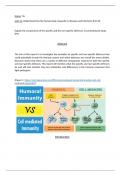
(Figure 1: https://microbenotes.com/differences-between-humoral-immunity-and-cell-
mediated-immunity/)
Introduction
, This is a detailed description of what the specific and non-specific defences do in the body and
how they attack the pathogens in order to restore the health to the immune system. A
thorough description of mechanisms used in order to initiate the specific and non-specific
defence mechanisms will also be mentioned in this report. Along with examples of the specific
and non-specific defences that are executed when the immune system is under attack.
(Figure 2: https://quizlet.com/292376917/cell-mediated-immune-response-diagram/)
Cell-mediated immunity (specific body defence)
Cell-mediated immunity is a resistant response that does not require the use of antibodies. CMI
can be transferred from a vaccinated organism to a non-vaccinated organism via the transfer of
T cells (central regulators of the immune response) and involves cell-mediated evacuating
mechanisms. Intracellular infectious agents such as bacteria like the mycobacterium
tuberculosis (TB) require a CMI response to eliminate the bacteria. This response needs the
assistance of T helper (Th) cells that recognizes the contaminated cells with the aid of
specialized antigen-presenting cells (APC). Th cells release cytokines and chemokines (cytokines
are a vast and miscellaneous group of anti-inflammatory factors that are grouped into families
based on their receptors. Chemokines are a group of secreted proteins within the cytokine
Unit 12: Understand how the human body responds to diseases and infections (Part D)
Explain the components of the specific and the non-specific defences, in protecting the body.
(P5)
Abstract
The aim of this report is to investigate the examples of specific and non-specific defences that
could potentially invade the immune system and which defences are overall the most reliable.
Research shows that there are a variety of different components required in both the specific
and non-specific defences. This report will mention what the specific and non-specific defences
do and will also mention they key similarities and differences in the immune responses that
fight pathogens.
(Figure 1: https://microbenotes.com/differences-between-humoral-immunity-and-cell-
mediated-immunity/)
Introduction
, This is a detailed description of what the specific and non-specific defences do in the body and
how they attack the pathogens in order to restore the health to the immune system. A
thorough description of mechanisms used in order to initiate the specific and non-specific
defence mechanisms will also be mentioned in this report. Along with examples of the specific
and non-specific defences that are executed when the immune system is under attack.
(Figure 2: https://quizlet.com/292376917/cell-mediated-immune-response-diagram/)
Cell-mediated immunity (specific body defence)
Cell-mediated immunity is a resistant response that does not require the use of antibodies. CMI
can be transferred from a vaccinated organism to a non-vaccinated organism via the transfer of
T cells (central regulators of the immune response) and involves cell-mediated evacuating
mechanisms. Intracellular infectious agents such as bacteria like the mycobacterium
tuberculosis (TB) require a CMI response to eliminate the bacteria. This response needs the
assistance of T helper (Th) cells that recognizes the contaminated cells with the aid of
specialized antigen-presenting cells (APC). Th cells release cytokines and chemokines (cytokines
are a vast and miscellaneous group of anti-inflammatory factors that are grouped into families
based on their receptors. Chemokines are a group of secreted proteins within the cytokine


