SRA Accounts Rules
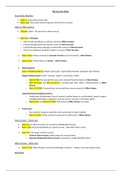
Overarching Objective
Rule 1.1: Keep client money safe.
Rule 1.2(a): Keep client money separate from the firm’s money.
Client or Office Money?
Glossary: Client - The person for whom you act.
Rule 12.8 - Principals:
o Client is sole practitioner or partner: record in Office Account.
o Principal buying jointly with spouse: record in Client Account.
o Principal buying using mortgage: record lender money in Client Account.
o Client is an employee (Assistant Solicitor): record in Client Account.
Rule 12.2(e): Money received on Account of Costs (not yet incurred) – Client Money.
Rule 12.2(a): Money held as a Trustee – Client Money.
Disbursements:
Rule 17 Guidance Note (i): Details which paid / unpaid disbursements constitute Client Money.
Regular Disbursement: Court / counsel / expert / search fees or SDLT.
o Rule 12.2(d): Not yet paid then any sums received from the client are Client Money.
o Rule 12.7(c)(ii) and Rule 12 GN (i): If already paid then client’s reimbursement is Office
Money.
o Rule 12.7(c)(iii): If incurred but not yet paid then money received is Office Money.
Unpaid Professional Disbursements:
o Professional Disbursement: Fees of counsel, another lawyer or a professional, expert or agent
including interpreters, translators, process servers, surveyors and estate agents.
o Rule 12.2(c) and Rule 12.7(c)(iii): Only becomes Office Money once paid.
Profit Costs:
o Fees solicitor charges to client for work carried out on client’s behalf.
o Rule 12.7(c)(i): Money received in payment of profit costs is Office Money.
Client Account – Client Cash
Rule 13.2: A client account is an account for holding client money.
Rule 1.2(b): Must be identifiable as a client account – label with client’s name.
Rule 13.5: Two types of client account –
o General Client Account: Holds money for several clients.
o Separate Designated Client Account: Account for a single identified client.
Office Account – Office Cash
Rule 12.7(a): Office Money is money that belongs to the firm – salaries, rent and business rates.
New Client
Overarching Objective
Rule 1.1: Keep client money safe.
Rule 1.2(a): Keep client money separate from the firm’s money.
Client or Office Money?
Glossary: Client - The person for whom you act.
Rule 12.8 - Principals:
o Client is sole practitioner or partner: record in Office Account.
o Principal buying jointly with spouse: record in Client Account.
o Principal buying using mortgage: record lender money in Client Account.
o Client is an employee (Assistant Solicitor): record in Client Account.
Rule 12.2(e): Money received on Account of Costs (not yet incurred) – Client Money.
Rule 12.2(a): Money held as a Trustee – Client Money.
Disbursements:
Rule 17 Guidance Note (i): Details which paid / unpaid disbursements constitute Client Money.
Regular Disbursement: Court / counsel / expert / search fees or SDLT.
o Rule 12.2(d): Not yet paid then any sums received from the client are Client Money.
o Rule 12.7(c)(ii) and Rule 12 GN (i): If already paid then client’s reimbursement is Office
Money.
o Rule 12.7(c)(iii): If incurred but not yet paid then money received is Office Money.
Unpaid Professional Disbursements:
o Professional Disbursement: Fees of counsel, another lawyer or a professional, expert or agent
including interpreters, translators, process servers, surveyors and estate agents.
o Rule 12.2(c) and Rule 12.7(c)(iii): Only becomes Office Money once paid.
Profit Costs:
o Fees solicitor charges to client for work carried out on client’s behalf.
o Rule 12.7(c)(i): Money received in payment of profit costs is Office Money.
Client Account – Client Cash
Rule 13.2: A client account is an account for holding client money.
Rule 1.2(b): Must be identifiable as a client account – label with client’s name.
Rule 13.5: Two types of client account –
o General Client Account: Holds money for several clients.
o Separate Designated Client Account: Account for a single identified client.
Office Account – Office Cash
Rule 12.7(a): Office Money is money that belongs to the firm – salaries, rent and business rates.
New Client