AAE 350 Exam Questions | 100% Correct Answers | Verified | Latest 2024 Version
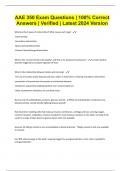
AAE 350 Exam Questions | 100% Correct Answers | Verified | Latest 2024 Version What are the 4 types of malnutrition? What causes each type? - -Overnutrition -Secondary malnutrition -Micronutrient Malnutrition -Protein Calorie/Energy Malnutrition What is the "environmental enteropathy" and that is its' proposed mechanism? - a small intestine disorder triggered by constant ingestion of feces What is the relationship between toilets and stunning? - -The use of sanitary waste disposal and clean water is important in reducing secondary malnutrition -prevention of transmission of parasites and diarrheal diseases -Hookworm acquired by walking barefoot over contaminated soil -other roundworms infections use oral fecal route Normal role of carbohydrates, proteins, glucose, and fat - Role of carbohydrates: Involuntary use, physical activity, mental activity, fighting disease, growth Role of protein: building cells that make up muscle, membranes, cartilage and hair, carrying oxygen, nutrient transport, antibodies, enzymes needed for most chemical reactions in the body; normally 2-5% used for energy; broken down to glucose when carbs not avaliable Glucose: 50-100 gm stored in liver and available to blood and brain. ~350gm stored in and only available to muscles Fat: 90% stored energy in the adult; required oxygen for energy production; some carb is needed for energy production Describe the changes in the use of carbohydrate, fat and protein during starvation - Negative nitrogen balance: 12-15g excreted through urine -skeletal muscle broken down to produce glucose using 75g per day of protein -about 160gm of body fat also used -after about a month: 2-4 g nitrogen lost per day, breakdown of skeletal muscle slows (only cells that have to use glucose) Gradual shift in metabolic fuels - 1st: glucose produced from protein breakdown to provide energy -2nd: fat breakdown and metabolism provedes ketones for all tissues except CNS, Red and white blood cells -serum fatty acid levels increase -serum albumin is normal until late in starvation Weight loss: first week a lot of salt and water loss BMR and total energy expenditure decreased in prolonged starvation: decreased activity, increased sleep, decreased body temperature What is a problem in both industrialized and developing countries and why? - Overnutrition: Because of the readily avaliable access to fatty, salty, and sugary foods How does the body adapt metabolically to malnutrition? - What nutrition is required for energy production and where does it come from when not in the diet? - How is nutritional status assessed? What is the result of good nutrition? - Clinical Assessments: physical signs Biochemical Assessments: laboratory measurements Dietary Assessment: Dietary recall, Dietary Records, Population: food balance sheets (FAO) Anthropometric assessment: Height, Weight, BMI, body composition Growth: low height for age (stunting), Low weight for height (wasting) What might happen to the capacity to work with undernutrition? - Decreases because of the excessive exhaustion and decreased BMR What was the purpose of the Keys' study? - To study the effects of extreme starvation on the body and to help determine the effects of refeeding to help people who had undergone starvation during WWII What were the physical symptoms exhibited during the semi starvation in the Keyes study? - -Loss of weight -Loss of muscle -Anemia -Fatigue
Written for
- Institution
- AAE 350
- Module
- AAE 350
Document information
- Uploaded on
- May 9, 2024
- Number of pages
- 18
- Written in
- 2023/2024
- Type
- Exam (elaborations)
- Contains
- Questions & answers
Subjects
-
aae 350 exam questions 100 correct answers ve

Also available in package deal