SHN2004 – NICE Guidelines
National Institute for Health and Care Excellence
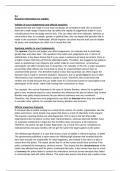
Who are NICE?
The National Institute for Health and Care Excellence (NICE) provides national guidance
and advice to improve health and social care. NICE is an executive non-departmental
public body, sponsored by the Department of Health and Social Care.
NICE is charged with promoting clinical excellence in NHS service providers in England
and Wales, by developing guidance and recommendations on the effectiveness of
treatments and medical procedures.
What do NICE do?
NICE’s role is to improve outcomes for people using the NHS and other public health and
social care services.
They do this by:
- Producing evidence-based guidelines
- Developing quality standards
- Sharing information across health and social care
Types of guideline’s NICE develop
- Clinical
- Social care
- Medicines practice
- Cancer services
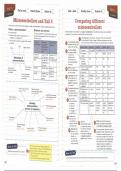
- Antimicrobial prescribing
Evidence based recommendations
NICE guidelines are evidence-based recommendations for health and care in England
and Wales.
They set out the care and services suitable for most people with a specific condition or
need, and people in particular circumstances or settings.
NICE guidelines help health and social care professionals to:
- Prevent ill health
- Promote and protect good health
- Improve the quality of care and services
National Institute for Health and Care Excellence
Who are NICE?
The National Institute for Health and Care Excellence (NICE) provides national guidance
and advice to improve health and social care. NICE is an executive non-departmental
public body, sponsored by the Department of Health and Social Care.
NICE is charged with promoting clinical excellence in NHS service providers in England
and Wales, by developing guidance and recommendations on the effectiveness of
treatments and medical procedures.
What do NICE do?
NICE’s role is to improve outcomes for people using the NHS and other public health and
social care services.
They do this by:
- Producing evidence-based guidelines
- Developing quality standards
- Sharing information across health and social care
Types of guideline’s NICE develop
- Clinical
- Social care
- Medicines practice
- Cancer services
- Antimicrobial prescribing
Evidence based recommendations
NICE guidelines are evidence-based recommendations for health and care in England
and Wales.
They set out the care and services suitable for most people with a specific condition or
need, and people in particular circumstances or settings.
NICE guidelines help health and social care professionals to:
- Prevent ill health
- Promote and protect good health
- Improve the quality of care and services