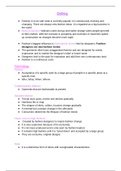
Clothing
● Fashion is to do with what is currently popular it is continuously evolving and
changing. There are always new fashion ideas. It is regarded as a big business in
the world
● Mass production- fashions come and go and styles change when people get tired
of their clothes. With the increase in prosperity and invention of machines speed
up construction as changes become more rapid
● Fashion’s biggest influence is international shows held by designers. Fashion
designers set new fashion trends
● The garments often have exaggerated themes and are designed for artistic
expression and to market the designer’s label or brand name
● Designers look to the past for inspiration and add their own contemporary twist
● Fashion is a continuous cycle
Terminology
Fashion
● Acceptance of a specific style by a large group of people in a specific place at a
specific time
● Who, What, When, Where
Contemporary fashion
● Garments that are fashionable at present
Standard fashion
● Trends start, grow, evolve and decline gradually
● Hemlines life or drop
● The shapes of skirts, collars, trousers change gradually
● A minimal but constant change in the silhouette
● Consumers determine the lifespan of fashion trends
Haute couture (high fashion)
● Created by fashion designers to inspire fashion change
● It is very expensive because of its exclusivity
● It's not mass produced and is only worn by fashion leaders
● It remains high fashion until it is ‘toned down’ and accepted by a large group
● They are exclusive, original designs
Style
● It is a distinctive form of dress with recognisable characteristics
, ● It can be a particular fashion look at a specific time
● Style remains a style regardless of being in fashion
● Lines and details distinguish one form of shape from another
Classics
● They are timeless
● They endure for many seasons
● They are good value for money
● And are continually accepted by consumers
● They are simple and are always in good taste
● They suit most consumers
● They are basic or neutral colours
Fads
● Often an extreme style that is accepted quickly by a small group of people and
then disappears quickly
Silhouette
● The external outline or shape of the garment
Fast fashion
● Affordable fashion, designed and manufactured quickly
● Usually, poor quality aimed at the masses
● Manufactured to dispose of after one season
Trends
● The direction taken by a fashion, such as longer hemlines, waistlines or the width
and shape of trouser legs
Mass fashion
● Mass production of clothing at affordable prices makes items available to the
masses
The relationship between style and fashion
● Fashion is based on a specific style
● Style becomes fashion when it is accepted by consumers
● It only remains ‘fashion’ as long as it is accepted
● E.g bell bottm will always be a style but os only fashion when everybody wears it
● Style is generally accepted, it is considered to be fashionable among a certain
occupation or age group
● Style remains a style regardless of it being in fashion or not
, Fast Fashion
● A contemporary term used by fashion retailers
● Designs move from the catwalk quickly to capture current fashion trends
● Its based on the most recent fashion trends
● Emphasis is on optimizing certain aspects of the supply chain in oder to be
designed and manufactured quickly and inexpensively to allow mainstream
consumers to buy clothing styles at a lower price
● It has become associated with disposable fashion because it delivers designer
products to a mass market at low prices
● Slow fashion is in opposition to fast fashion, blaming it for pollution
● Fast fashion has come under criticism for contributing to poor working conditions
Environmental impact
● Due to the rise in consumption more and more garments are being produced
each season
● This continuous purchasing of new merchandise is resulting in more and more
textiles being discarded
● The textile industry occupies 5% of all landfill space
● Clothing is usually made from synthetic materials which prevent it from degrading
properly
● Throughout the stages of production, the environment experiences permanent
damage
● The release of greenhouse gasses in the air pollutes the ecosystem
● Air pollution is caused by global transportation and the use of heavy machinery
● Pesticides and dyes are being released into the water
● Fast fashion has caused a rise in environmental damage over the years
● However, new technologies and methods are being created to help decrease the
harmful effect on the planet
Sustainability
● Due to the amount of pollution and waste caused by the fashion industry
advances in sustainability have been made possible
● Groups work to decrease the industry’s environmental footprint
● They encourage the general public to recycle their old clothing
● New technologies are also benefitting the environment
● They offer a new way of using dyes, producing fibres and reducing the use of
natural resources
Overconsumption
● The business model of fast fashion is based on consumer’s desire for new
clothing to wear
● In order to fulfil demand, fast fashion brands provide affordable prices and a wide
● Fashion is to do with what is currently popular it is continuously evolving and
changing. There are always new fashion ideas. It is regarded as a big business in
the world
● Mass production- fashions come and go and styles change when people get tired
of their clothes. With the increase in prosperity and invention of machines speed
up construction as changes become more rapid
● Fashion’s biggest influence is international shows held by designers. Fashion
designers set new fashion trends
● The garments often have exaggerated themes and are designed for artistic
expression and to market the designer’s label or brand name
● Designers look to the past for inspiration and add their own contemporary twist
● Fashion is a continuous cycle
Terminology
Fashion
● Acceptance of a specific style by a large group of people in a specific place at a
specific time
● Who, What, When, Where
Contemporary fashion
● Garments that are fashionable at present
Standard fashion
● Trends start, grow, evolve and decline gradually
● Hemlines life or drop
● The shapes of skirts, collars, trousers change gradually
● A minimal but constant change in the silhouette
● Consumers determine the lifespan of fashion trends
Haute couture (high fashion)
● Created by fashion designers to inspire fashion change
● It is very expensive because of its exclusivity
● It's not mass produced and is only worn by fashion leaders
● It remains high fashion until it is ‘toned down’ and accepted by a large group
● They are exclusive, original designs
Style
● It is a distinctive form of dress with recognisable characteristics
, ● It can be a particular fashion look at a specific time
● Style remains a style regardless of being in fashion
● Lines and details distinguish one form of shape from another
Classics
● They are timeless
● They endure for many seasons
● They are good value for money
● And are continually accepted by consumers
● They are simple and are always in good taste
● They suit most consumers
● They are basic or neutral colours
Fads
● Often an extreme style that is accepted quickly by a small group of people and
then disappears quickly
Silhouette
● The external outline or shape of the garment
Fast fashion
● Affordable fashion, designed and manufactured quickly
● Usually, poor quality aimed at the masses
● Manufactured to dispose of after one season
Trends
● The direction taken by a fashion, such as longer hemlines, waistlines or the width
and shape of trouser legs
Mass fashion
● Mass production of clothing at affordable prices makes items available to the
masses
The relationship between style and fashion
● Fashion is based on a specific style
● Style becomes fashion when it is accepted by consumers
● It only remains ‘fashion’ as long as it is accepted
● E.g bell bottm will always be a style but os only fashion when everybody wears it
● Style is generally accepted, it is considered to be fashionable among a certain
occupation or age group
● Style remains a style regardless of it being in fashion or not
, Fast Fashion
● A contemporary term used by fashion retailers
● Designs move from the catwalk quickly to capture current fashion trends
● Its based on the most recent fashion trends
● Emphasis is on optimizing certain aspects of the supply chain in oder to be
designed and manufactured quickly and inexpensively to allow mainstream
consumers to buy clothing styles at a lower price
● It has become associated with disposable fashion because it delivers designer
products to a mass market at low prices
● Slow fashion is in opposition to fast fashion, blaming it for pollution
● Fast fashion has come under criticism for contributing to poor working conditions
Environmental impact
● Due to the rise in consumption more and more garments are being produced
each season
● This continuous purchasing of new merchandise is resulting in more and more
textiles being discarded
● The textile industry occupies 5% of all landfill space
● Clothing is usually made from synthetic materials which prevent it from degrading
properly
● Throughout the stages of production, the environment experiences permanent
damage
● The release of greenhouse gasses in the air pollutes the ecosystem
● Air pollution is caused by global transportation and the use of heavy machinery
● Pesticides and dyes are being released into the water
● Fast fashion has caused a rise in environmental damage over the years
● However, new technologies and methods are being created to help decrease the
harmful effect on the planet
Sustainability
● Due to the amount of pollution and waste caused by the fashion industry
advances in sustainability have been made possible
● Groups work to decrease the industry’s environmental footprint
● They encourage the general public to recycle their old clothing
● New technologies are also benefitting the environment
● They offer a new way of using dyes, producing fibres and reducing the use of
natural resources
Overconsumption
● The business model of fast fashion is based on consumer’s desire for new
clothing to wear
● In order to fulfil demand, fast fashion brands provide affordable prices and a wide