
The City of Dionysia: Festivals 1: GREECE Why was he important?
- He was fundamental to most of the cities
Celebrates the God Dionysus (God of fertility, entertainment as he was the god of wine
grapes and wine) Timings:
- Took place in the spring
Origins of the festival: - 5 days in March (mid way through the month)
- From the outbreak of a disease upon
the male genitals ( The Athenians
rejected the statue from Eleutherae and
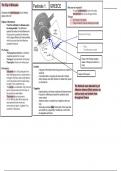
Dionysus then punished the Athenians Route of the Pompe
with a plague affecting the male genitalia,
which was cured when the Athenians
accepted Dionysus)
- Plays
The People: - The dithyrambs contest
- The Eponymous Archon: an Athenian
magistrate elected for one year
- Choregos: financial backer of the plays Route of the Pompe (wooden
- Playwrights: Person who writes plays statue of Dionysius carried in a
boat)
Comedy:
Participants:
- A big part of the festival either being about war, politics or
- Dithyramb led to 100 participants from
social life Temple of Dionysius
each tribe taking part in a choral dance in
- It provided relief on everyday life and world in Athens
homage to Dionysus and at night there is
and let people voice their opinions on matters they would
a torch procession with his statue being
not normals do
brought in from outside the city.
- The komos is a celebration only men took The festivals were attended by all
Tragedies:
part in and was held on the first day, on
- Inspired about a well known mythical and historical event
Athenian citizens (likely women as
the second day was libation. well as men) and visitors from
- Focused on suffering and posed the questions about
- The pompe (grand procession) throughout Greece
human nature
- On the fifth day after all the plays had
- Audience meant to consider how it related to their own
been performed the winner was
lives
announced and given a garland of ivy
- Other plays included Satyr formed part of four plays that
(symbolic of Dionysius)
were written by a playwright. Intended as a comic after
the tragedies performed
, The Great Panathenaia (all - Festivals 2: GREECE The programme of events:
Athenian festival) :
In celebration of The Goddess Athena
- She helped gods and morals alike on their
journeys providing them with
companionship and support in indirect
ways
Time:
- Five days
- Every 4 years
Origins of the festival: The sporting events:
- The Panathenaic festival was formed in - Three of the eight days were sporting events
order to honor the goddess Athena who - These events were almost exclusively for Athenians
had become the patron of Athens after there were some for non Athenians as well
having a competition with the god - Women were not allowed to compete in the
Poseidon where they were to win the sporting events
favor of the Athenian people by offering - The sporting event prizes were a huge deal and
the people gifts. they would receive a varied amount of
- The festival would also bring unity among Panathenaic amphora. This would have a picture
the people of Athens. of Athena on one side and a picture of the event in
which they were awarded on the other side.
Rhapsodic and musical contest Wrestling: - This reinforced the importance of Athena
- First events to take place - During the contest competitors would - This would also have been filled with olive oil which
- Verses recited from Homer’s Iliad and attempt to get their opponent down onto their was a valuable commodity and would have been
Odyssey back or shoulders, which was called a ‘fall’. used for cooking and cleaning purposes
- After three ‘falls’ the contest was over.
The stadion - To make it harder they would cover
- Running event where competitors would themselves in oil
run the length of the stadium - Opponents were allowed to trip each other
but biting, punching, or kicking was not
allowed
- He was fundamental to most of the cities
Celebrates the God Dionysus (God of fertility, entertainment as he was the god of wine
grapes and wine) Timings:
- Took place in the spring
Origins of the festival: - 5 days in March (mid way through the month)
- From the outbreak of a disease upon
the male genitals ( The Athenians
rejected the statue from Eleutherae and
Dionysus then punished the Athenians Route of the Pompe
with a plague affecting the male genitalia,
which was cured when the Athenians
accepted Dionysus)
- Plays
The People: - The dithyrambs contest
- The Eponymous Archon: an Athenian
magistrate elected for one year
- Choregos: financial backer of the plays Route of the Pompe (wooden
- Playwrights: Person who writes plays statue of Dionysius carried in a
boat)
Comedy:
Participants:
- A big part of the festival either being about war, politics or
- Dithyramb led to 100 participants from
social life Temple of Dionysius
each tribe taking part in a choral dance in
- It provided relief on everyday life and world in Athens
homage to Dionysus and at night there is
and let people voice their opinions on matters they would
a torch procession with his statue being
not normals do
brought in from outside the city.
- The komos is a celebration only men took The festivals were attended by all
Tragedies:
part in and was held on the first day, on
- Inspired about a well known mythical and historical event
Athenian citizens (likely women as
the second day was libation. well as men) and visitors from
- Focused on suffering and posed the questions about
- The pompe (grand procession) throughout Greece
human nature
- On the fifth day after all the plays had
- Audience meant to consider how it related to their own
been performed the winner was
lives
announced and given a garland of ivy
- Other plays included Satyr formed part of four plays that
(symbolic of Dionysius)
were written by a playwright. Intended as a comic after
the tragedies performed
, The Great Panathenaia (all - Festivals 2: GREECE The programme of events:
Athenian festival) :
In celebration of The Goddess Athena
- She helped gods and morals alike on their
journeys providing them with
companionship and support in indirect
ways
Time:
- Five days
- Every 4 years
Origins of the festival: The sporting events:
- The Panathenaic festival was formed in - Three of the eight days were sporting events
order to honor the goddess Athena who - These events were almost exclusively for Athenians
had become the patron of Athens after there were some for non Athenians as well
having a competition with the god - Women were not allowed to compete in the
Poseidon where they were to win the sporting events
favor of the Athenian people by offering - The sporting event prizes were a huge deal and
the people gifts. they would receive a varied amount of
- The festival would also bring unity among Panathenaic amphora. This would have a picture
the people of Athens. of Athena on one side and a picture of the event in
which they were awarded on the other side.
Rhapsodic and musical contest Wrestling: - This reinforced the importance of Athena
- First events to take place - During the contest competitors would - This would also have been filled with olive oil which
- Verses recited from Homer’s Iliad and attempt to get their opponent down onto their was a valuable commodity and would have been
Odyssey back or shoulders, which was called a ‘fall’. used for cooking and cleaning purposes
- After three ‘falls’ the contest was over.
The stadion - To make it harder they would cover
- Running event where competitors would themselves in oil
run the length of the stadium - Opponents were allowed to trip each other
but biting, punching, or kicking was not
allowed


