1. General Principles
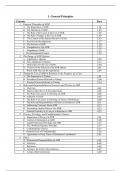
Contents Para
1. General Principles of ADR
A The Importance of ADR 1.01
B The Definition of ADR 1.03
C The Role of the Courts in the Use of ADR 1.05
D The Role of Judges in the Use of ADR 1.07
E The Context of the Jackson Review of Costs 1.13
F Key Recent Developments 1.17
G The Success of ADR 1.20
H Compulsion to Use ADR 1.22
I Regulation of ADR 1.23
J The International Context 1.29
2. The Range of ADR Options
A Adjudicative Options 2.02
B Non-Adjudicative Options 2.13
C Motivations for the Use of ADR 2.30
D Criteria for the Selection of an ADR Option 2.41
E When ADR May not Be Appropriate 2.49
3. Timing the Use of ADR in Relation to the Progress of a Case
A The Importance of Timing 3.01
B Procedural Factors Relevant to Timing 3.04
C Practical Factors Relevant to Timing 3.24
4. Roles and Responsibilities of Lawyers and Parties in ADR
A Overview 4.01
B Duties Under the Civil Procedure Rules 4.02
C The Role of a Lawyer in Advising on ADR 4.03
D Authority to Settle 4.07
E The Role of a Lawyer in Advising on Terms of Settlement 4.09
F The Role and Responsibilities of Parties in Relation to ADR 4.11
G Addressing Concerns About ADR 4.13
H Persuading Another Party to Use ADR 4.23
I Potential Liability of a Lawyer in Relation to ADR 4.33
5. Privacy, Privilege, and Confidentiality Clauses
A Importance of Privacy in ADR 5.01
B Control of Information in ADR 5.09
C Legal Professional Privilege and ADR 5.15
D The ‘Without Prejudice’ Principle 5.17
E Confidentiality Clauses 5.27
F Potential Loss of Confidentiality 5.36
G Agreements to Keep Terms of Settlement Confidential 5.41
6. Ethics
A Professional Responsibilities in ADR 6.01
B Solicitors 6.03
C Barristers 6.05
D Acting in the Client’s Best Interests 6.07
E Acting within Instructions 6.09
, F Duties in Relation to Client Confidentiality 6.11
G Duties in Relation to an Opponent 6.14
H Duties in Relation to a Funder 6.16
I Duties in Relation to a Court 6.18
J Lawyers who Provide ADR 6.19
7. Funding ADR Procedures
A Expense and Funding 7.01
B The Potential for ADR to Save Costs 7.06
C The Potential Cost of an ADR Process 7.08
D Funding Bases for an ADR Process 7.22
E Costs Management and Proportionality 7.34
F Overall Financial Analysis and Risk 7.39
8. ADR Prior to the Issue of Proceedings
A The Context where No Proceedings Have Been Issued 8.01
B Powers of the Court Prior to Issue of Proceedings 8.06
C Part 36 Offers Prior to Issue 8.07
D Settlements Reached with No Issue of Proceedings 8.08
E Pre-Action Costs 8.10
F Practice Direction Pre-Action Conduct and Protocol Requirements 8.14
G Making Reasonable Attempts to Settle where No Proceedings Have 8.19
Been Issued
H Potential Justifications for Non-Compliance 8.24
2. Interplay between ADR, CPR and Litigation
Contents Para
9. The Approach of the Courts to ADR
A Introduction 9.01
B Judicial Encouragement of ADR 9.05
C Can the Court Compel Parties to Use ADR? 9.06
D The Court Guides 9.15
E Pre-Action Protocols 9.16
F The Overriding Objective and ADR 9.17
G Case Management Powers and ADR 9.20
H Directions Questionnaires and ADR 9.22
I Granting Stays for ADR 9.24
J Contractual ADR Clauses 9.27
K Costs Alternative Dispute Resolution 9.36
10. Costs and Cost Shifting in ADR
A Liability to Pay for an ADR Process 10.01
B Recovery of Costs within an ADR Process 10.05
C Recovery of ADR Costs within a Court Process 10.08
D Part 36 Offers 10.25
11. Sanctions for Refusing to Engage in ADR Processes
A Introduction 11.01
B The Court’s General Powers to Make Costs Orders 11.04
C Failure to Comply with Pre-Action Protocols 11.05
Contents Para
1. General Principles of ADR
A The Importance of ADR 1.01
B The Definition of ADR 1.03
C The Role of the Courts in the Use of ADR 1.05
D The Role of Judges in the Use of ADR 1.07
E The Context of the Jackson Review of Costs 1.13
F Key Recent Developments 1.17
G The Success of ADR 1.20
H Compulsion to Use ADR 1.22
I Regulation of ADR 1.23
J The International Context 1.29
2. The Range of ADR Options
A Adjudicative Options 2.02
B Non-Adjudicative Options 2.13
C Motivations for the Use of ADR 2.30
D Criteria for the Selection of an ADR Option 2.41
E When ADR May not Be Appropriate 2.49
3. Timing the Use of ADR in Relation to the Progress of a Case
A The Importance of Timing 3.01
B Procedural Factors Relevant to Timing 3.04
C Practical Factors Relevant to Timing 3.24
4. Roles and Responsibilities of Lawyers and Parties in ADR
A Overview 4.01
B Duties Under the Civil Procedure Rules 4.02
C The Role of a Lawyer in Advising on ADR 4.03
D Authority to Settle 4.07
E The Role of a Lawyer in Advising on Terms of Settlement 4.09
F The Role and Responsibilities of Parties in Relation to ADR 4.11
G Addressing Concerns About ADR 4.13
H Persuading Another Party to Use ADR 4.23
I Potential Liability of a Lawyer in Relation to ADR 4.33
5. Privacy, Privilege, and Confidentiality Clauses
A Importance of Privacy in ADR 5.01
B Control of Information in ADR 5.09
C Legal Professional Privilege and ADR 5.15
D The ‘Without Prejudice’ Principle 5.17
E Confidentiality Clauses 5.27
F Potential Loss of Confidentiality 5.36
G Agreements to Keep Terms of Settlement Confidential 5.41
6. Ethics
A Professional Responsibilities in ADR 6.01
B Solicitors 6.03
C Barristers 6.05
D Acting in the Client’s Best Interests 6.07
E Acting within Instructions 6.09
, F Duties in Relation to Client Confidentiality 6.11
G Duties in Relation to an Opponent 6.14
H Duties in Relation to a Funder 6.16
I Duties in Relation to a Court 6.18
J Lawyers who Provide ADR 6.19
7. Funding ADR Procedures
A Expense and Funding 7.01
B The Potential for ADR to Save Costs 7.06
C The Potential Cost of an ADR Process 7.08
D Funding Bases for an ADR Process 7.22
E Costs Management and Proportionality 7.34
F Overall Financial Analysis and Risk 7.39
8. ADR Prior to the Issue of Proceedings
A The Context where No Proceedings Have Been Issued 8.01
B Powers of the Court Prior to Issue of Proceedings 8.06
C Part 36 Offers Prior to Issue 8.07
D Settlements Reached with No Issue of Proceedings 8.08
E Pre-Action Costs 8.10
F Practice Direction Pre-Action Conduct and Protocol Requirements 8.14
G Making Reasonable Attempts to Settle where No Proceedings Have 8.19
Been Issued
H Potential Justifications for Non-Compliance 8.24
2. Interplay between ADR, CPR and Litigation
Contents Para
9. The Approach of the Courts to ADR
A Introduction 9.01
B Judicial Encouragement of ADR 9.05
C Can the Court Compel Parties to Use ADR? 9.06
D The Court Guides 9.15
E Pre-Action Protocols 9.16
F The Overriding Objective and ADR 9.17
G Case Management Powers and ADR 9.20
H Directions Questionnaires and ADR 9.22
I Granting Stays for ADR 9.24
J Contractual ADR Clauses 9.27
K Costs Alternative Dispute Resolution 9.36
10. Costs and Cost Shifting in ADR
A Liability to Pay for an ADR Process 10.01
B Recovery of Costs within an ADR Process 10.05
C Recovery of ADR Costs within a Court Process 10.08
D Part 36 Offers 10.25
11. Sanctions for Refusing to Engage in ADR Processes
A Introduction 11.01
B The Court’s General Powers to Make Costs Orders 11.04
C Failure to Comply with Pre-Action Protocols 11.05