A35
CHAPTER 37 – USING MACROECONOMIC POLICIES
Question Remarks
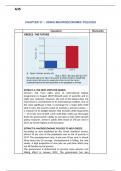
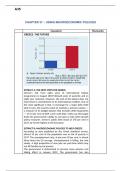
GREECE: THE FUTURE
EXTRACT A: THE NEXT STEPS FOR GREECE
Greece's exit from eight years of international bailout
programmes in August 2018 followed years of austerity and an
eight year recession. However, the end of the bailout does not
end Greece's commitments to its international creditors. One of
the most significant is that, in exchange for a major debt relief
deal in June, the country needs to maintain a primary surplus —
a measure of its budget balance that excludes debt repayments
— of 3.5 per cent of GDP a year until 2022. Critics say this target
limits the government's ability to cut taxes or take other growth
policy measures. Greece's public debt stood at 178 per cent in
2017, by far the highest in the Eurozone.
EXTRACT B: MACROECONOMIC POLICIES TO HELP GREECE
According to data published by the Greek statistical service,
almost 35 per cent of the population was at risk of poverty in
2017. The unemployment rate, at just over 20 per cent, is almost
three times the EU average. Unemployment is falling, but only
slowly. A high proportion of new jobs are part-time which may
not lift families out of poverty.
The government is determined to prevent more pension cuts
taking effect in January 2019. The government has also
CHAPTER 37 – USING MACROECONOMIC POLICIES
Question Remarks
GREECE: THE FUTURE
EXTRACT A: THE NEXT STEPS FOR GREECE
Greece's exit from eight years of international bailout
programmes in August 2018 followed years of austerity and an
eight year recession. However, the end of the bailout does not
end Greece's commitments to its international creditors. One of
the most significant is that, in exchange for a major debt relief
deal in June, the country needs to maintain a primary surplus —
a measure of its budget balance that excludes debt repayments
— of 3.5 per cent of GDP a year until 2022. Critics say this target
limits the government's ability to cut taxes or take other growth
policy measures. Greece's public debt stood at 178 per cent in
2017, by far the highest in the Eurozone.
EXTRACT B: MACROECONOMIC POLICIES TO HELP GREECE
According to data published by the Greek statistical service,
almost 35 per cent of the population was at risk of poverty in
2017. The unemployment rate, at just over 20 per cent, is almost
three times the EU average. Unemployment is falling, but only
slowly. A high proportion of new jobs are part-time which may
not lift families out of poverty.
The government is determined to prevent more pension cuts
taking effect in January 2019. The government has also