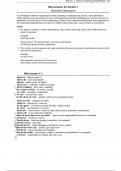
This extract is from Chapter 2 ’Search for Mr Hyde’ and it
AQA GCSE ENGLISH LIT-PAPER 1- 19TH
presents Mr Utterson (Rational, unbiased and moral
lawyer) meeting Mr Hyde (Savage creature despised by CENTURY NOVEL. JEKYLL AND HYDE.
Victorian society)
MODEL QUESTION AND GRADE 7+
Mr Utterson stepped out and touched him on the shoulder
ANSWER. Y10-Y11
as he passed, “Mr Hyde, I think?” Mr Hyde shrank back
with a hissing intake of the breath. But his fear was only
momentary; and though he did not look the lawyer in the HOW IS MR HYDE PRESENTED IN THIS
face, he answered coolly enough: ”That is my name. What EXTRACT AND THE NOVEL AS A WHOLE?
do you want?”
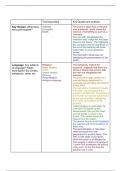
key bits
“I see you are going in,” returned the lawyer. “I am an old Annotate
friend of Dr Jekyll’s-Mr Utterson of Gaunt Street—you
1) Choose 3 key bits from the extract.
must have heard of my name; and meeting you here so
conveniently, I thought you might admit me.” 2) Think about which 3 parts of the
wider novel match in with these.
“You will not find Dr Jekyll; he is from home,” replied Mr
Hyde, blowing in the key. And then suddenly, but still 3) Consider the relevant context.
without looking up, “How did you know me?” he asked.
“On your side,” said Mr Utterson “will you do me a NOTES AND ANNOTATIONS:
favour?”
“With pleasure,” replied the other. ”What shall it be?”
“Will you let me see your face?” asked the lawyer. Mr
Hyde appeared to hesitate, and then, as if upon some
sudden reflection, fronted about with an air of defiance;
and the pair stared at each other pretty fixedly for a few
seconds. “Now I shall know you again,” said Mr Utterson.
“It may be useful.” “Yes,” returned Mr Hyde, “It is well we
have met; and à propos, you should have my address.” And
he gave a number of a street in Soho. “Good God!”
thought Mr Utterson, “can he, too, have been thinking of
the will?” But he kept his feelings and only grunted in
acknowledgment of the address.
“And now,” said the other, “how did you know me?”
“By description,” was the reply.
“Whose description?”
“We have common friends,” said Mr Utterson.
“Common friends,” echoed Mr Hyde, a little hoarsely.
“Who are they?”
“Jekyll, for instance,” said the lawyer.
“He never told you,” cried Mr Hyde, with a flush of anger,
“I did not think you would have lied.”
“Come,” said Mr Utterson, “that is not fitting language.”
The other snarled aloud into a savage laugh; and the next
moment, with extraordinary quickness, he had unlocked
the door and disappeared into the house.
, MODEL ANSWER- GRADE 7+
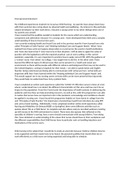
In the novel, Stevenson presents Hyde as a frightening Gothic monster. As a
creation of science, Hyde is very frightening because he represents the
potential danger of scientific experimentation in the Victorian period; whilst as
a part of Dr Jekyll is frightening since he symbolises the primitive, uncivilised
animal nature of humans, something which was seen as a new and disturbing
concept to Victorians after Darwin’s theory of evolution was released and it
overturned the traditional, biblical worldview of their highly pious society.
Throughout the novel, Stevenson utilises animalistic imagery, Gothic tropes
and a semantic field of hellish imagery to illustrate Hyde in order to create an
extremely unsettling character to Victorian readers.
Firstly, in this extract, Mr Hyde is painted as animalistic and the embodiment of
evil, when he “shrank back with a hissing intake of breath. But his fear was only
momentary;” This highlights that Mr Hyde felt “fear” and his reaction to it was
to hiss and shrink away like an animal plagued with “fear”. The writer is
demonstrating his animalistic tendencies in order to portray his uncivilised and
unpredictable nature which lead him to become a dangerous and
uncontrollable demon, committing horrendous acts of violence throughout the
novel. In the Victorian period, this presentation of Hyde would have been
absolutely revolting to the reader as the concept of evolution was simply too
new and distressing to them; Darwin’s theory of evolution forced Victorians to
confront the idea that we all had the potential to be wild and havoc-wreaking
within us because we have evolved from animals, and this novel uses the
uncomfortable concept to create fear about the possibilities if that wild side
were to become more prominent. Furthermore, the verb “hissing” is not only
animalistic, but also has connotations to snakes in particular which are most
often associated with the devil; this indicates that Mr Hyde is shown in a
devilish and immoral light. In the novel as a whole, Stevenson uses a semantic
field of hellish/devil imagery to present Hyde such as: “Satan’s signature” and
the simile “really like Satan” which supports the interpretation of Hyde as an
evil character as well an uncivilised, savage one. In the Victorian period, this
presentation of Hyde would appal readers as they would’ve been in a pious
society who sincerely viewed the devil as something to be fearful of.
Secondly, in this extract, Hyde is painted as a secretive and mysterious
character which aligns him with the gothic genre. For instance: ”Mr Hyde,
blowing in the key. And then suddenly, but still without looking up, “How did
AQA GCSE ENGLISH LIT-PAPER 1- 19TH
presents Mr Utterson (Rational, unbiased and moral
lawyer) meeting Mr Hyde (Savage creature despised by CENTURY NOVEL. JEKYLL AND HYDE.
Victorian society)
MODEL QUESTION AND GRADE 7+
Mr Utterson stepped out and touched him on the shoulder
ANSWER. Y10-Y11
as he passed, “Mr Hyde, I think?” Mr Hyde shrank back
with a hissing intake of the breath. But his fear was only
momentary; and though he did not look the lawyer in the HOW IS MR HYDE PRESENTED IN THIS
face, he answered coolly enough: ”That is my name. What EXTRACT AND THE NOVEL AS A WHOLE?
do you want?”
key bits
“I see you are going in,” returned the lawyer. “I am an old Annotate
friend of Dr Jekyll’s-Mr Utterson of Gaunt Street—you
1) Choose 3 key bits from the extract.
must have heard of my name; and meeting you here so
conveniently, I thought you might admit me.” 2) Think about which 3 parts of the
wider novel match in with these.
“You will not find Dr Jekyll; he is from home,” replied Mr
Hyde, blowing in the key. And then suddenly, but still 3) Consider the relevant context.
without looking up, “How did you know me?” he asked.
“On your side,” said Mr Utterson “will you do me a NOTES AND ANNOTATIONS:
favour?”
“With pleasure,” replied the other. ”What shall it be?”
“Will you let me see your face?” asked the lawyer. Mr
Hyde appeared to hesitate, and then, as if upon some
sudden reflection, fronted about with an air of defiance;
and the pair stared at each other pretty fixedly for a few
seconds. “Now I shall know you again,” said Mr Utterson.
“It may be useful.” “Yes,” returned Mr Hyde, “It is well we
have met; and à propos, you should have my address.” And
he gave a number of a street in Soho. “Good God!”
thought Mr Utterson, “can he, too, have been thinking of
the will?” But he kept his feelings and only grunted in
acknowledgment of the address.
“And now,” said the other, “how did you know me?”
“By description,” was the reply.
“Whose description?”
“We have common friends,” said Mr Utterson.
“Common friends,” echoed Mr Hyde, a little hoarsely.
“Who are they?”
“Jekyll, for instance,” said the lawyer.
“He never told you,” cried Mr Hyde, with a flush of anger,
“I did not think you would have lied.”
“Come,” said Mr Utterson, “that is not fitting language.”
The other snarled aloud into a savage laugh; and the next
moment, with extraordinary quickness, he had unlocked
the door and disappeared into the house.
, MODEL ANSWER- GRADE 7+
In the novel, Stevenson presents Hyde as a frightening Gothic monster. As a
creation of science, Hyde is very frightening because he represents the
potential danger of scientific experimentation in the Victorian period; whilst as
a part of Dr Jekyll is frightening since he symbolises the primitive, uncivilised
animal nature of humans, something which was seen as a new and disturbing
concept to Victorians after Darwin’s theory of evolution was released and it
overturned the traditional, biblical worldview of their highly pious society.
Throughout the novel, Stevenson utilises animalistic imagery, Gothic tropes
and a semantic field of hellish imagery to illustrate Hyde in order to create an
extremely unsettling character to Victorian readers.
Firstly, in this extract, Mr Hyde is painted as animalistic and the embodiment of
evil, when he “shrank back with a hissing intake of breath. But his fear was only
momentary;” This highlights that Mr Hyde felt “fear” and his reaction to it was
to hiss and shrink away like an animal plagued with “fear”. The writer is
demonstrating his animalistic tendencies in order to portray his uncivilised and
unpredictable nature which lead him to become a dangerous and
uncontrollable demon, committing horrendous acts of violence throughout the
novel. In the Victorian period, this presentation of Hyde would have been
absolutely revolting to the reader as the concept of evolution was simply too
new and distressing to them; Darwin’s theory of evolution forced Victorians to
confront the idea that we all had the potential to be wild and havoc-wreaking
within us because we have evolved from animals, and this novel uses the
uncomfortable concept to create fear about the possibilities if that wild side
were to become more prominent. Furthermore, the verb “hissing” is not only
animalistic, but also has connotations to snakes in particular which are most
often associated with the devil; this indicates that Mr Hyde is shown in a
devilish and immoral light. In the novel as a whole, Stevenson uses a semantic
field of hellish/devil imagery to present Hyde such as: “Satan’s signature” and
the simile “really like Satan” which supports the interpretation of Hyde as an
evil character as well an uncivilised, savage one. In the Victorian period, this
presentation of Hyde would appal readers as they would’ve been in a pious
society who sincerely viewed the devil as something to be fearful of.
Secondly, in this extract, Hyde is painted as a secretive and mysterious
character which aligns him with the gothic genre. For instance: ”Mr Hyde,
blowing in the key. And then suddenly, but still without looking up, “How did