Core Political Ideas: Socialism
1. Socialism: core ideas and principles
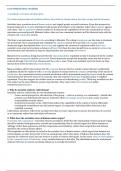
Core ideas and principles of socialism and how they relate to human nature, the state, society and the economy:
Socialists have a positive view of human nature and regard people as social creatures. From this perspective
human behaviour is socially determined with people preferring to work together rather than compete against
each other. This co-operative outlook enables us to harness the capabilities of the who community as well as
experience personal growth. Marxists believe thar out true communal instincts will be liberated only with the
creation of a communist society.
The State is an instrument of class rule according to Marxists. The ruling bourgeoisie use the state to dominate
the proletariat. Once communism had established a classless society the state will wither away. Social
democrats argue that limited state intervention can regulate the excesses of capitalism while third-way
socialist’s view state intervention as being inefficient. For them the state should focus on social investment in
infrastructure and education to improve opportunities and encourage self-reliance.
Marxists view society as being characterised by class inequalities. Capitalist society is dominated by the conflict
between the bourgeoisie and the proletariat. Social democrats accept that inequality exists but that it can be
reduced through redistribution schemes and the welfare state. Their way socialists reject the focus on class,
instead they stress the idea of social inclusion.
Many socialists call for intervention into the economy because the free-market cannot allocate wealth fairly.
Capitalism should be replaced with a centrally planned economy based on common ownership of the means of
production. In a communist society economic production will be determined purely by human need. In contrast
social democrats favourite and mixed economy, they also endorse Keynesian economic policy to regulate
capitalism. They also support the welfare state as a means of redistributing wealth. Third way socialists see the
free market as the most efficient system of production. They reject state intervention as it stifles
entrepreneurial initiative.
1. Why do socialist endorse collectivism?
Socialists endorse collectivism for two fundamental reasons
- From a moral perspective, the interests of the group — such as a society or a community – should take
priority over individual self-interest. Collective effort encourages social unity and a sense of social
responsibility towards others.
- In practical economic terms, collectivism utilises the capabilities of the whole of society efficiently,
avoiding the wastefulness and the limited impact of competitive individual effort inherent in the
capitalist economy.
Collectivism, therefore, reflects the socialist view that it is more important to pursue the interests of a society
or a community rather than individual self-interest
2. What does the socialism view of human nature argue?
Fraternity and cooperation = fraternity denotes socialism’s belief that the relationship between human beings
should be marked with generosity, warmth and comradeship; that we should regard our fellow humans as
‘siblings’ rather than opponents, and that cooperation and solidarity, rather than competition and division
should be the norm in human affairs.
This emphasis on collectivism is rooted in the socialist view of human nature, which argues that humans are
social animals; as such, they prefer to live in social groups rather than alone. It follows that humans have the
capacity for collective action and can work to in order to achieve their goals. In this sense, they are tied together
by the common bonds of fraternity– every socialist believes in this idea. The individual cannot be understood
without reference to society, as human behaviour is socially determined
, 3. What are the most common forms of socialist collectivism? Give examples from UK Politics to support
each form.
4. Why in the 21st century do socialists attach less importance to collectivism
Because collectivism emphasises group action and common interests, it suppresses human individuality and
diversity.
As collectivist objectives can only really be advanced through the agency of the state, it leads to the growth of
arbitrary state power and the erosion of individual freedoms.
Dependency culture
5. What is the positive view of human nature?
Socialists advocate co-operation based on their positive view of human nature. They argue humans are
naturally inclined to work together for the common good and that co-operative effort produces the best results
for society
6. Why do socialists see competition as wasteful?
According to the socialist view, competition (particularly within a capitalist economy) is wasteful, promotes
social divisions and selfishness and generates conflict, hostility and resentment. Socialists maintain that
capitalist economic competition sets one person against another, a process that encourages people to reject or
disregard their common humanity (and social nature) rather than accept it. It encourages humans to be self-
centred and belligerent
7. What are the three ways on which social equality can be justified?
Social justice = for socialists legal and formal justice is not enough to guarantee equality of opportunity. These
things must be accompanied by social justice – involving, for example, health care and education accessible to
all, or a minimum wage for employees. As such, the case for social justice, usually leads to the case for
collectivism
Social equality ensures fairness, it reinforces collectivism, and it is a means of satisfying basic human needs
8. What three reasons do socialists give for endorsing common ownership?
Common ownership = this represents an alternative to both private property and a capitalist economy, a
method of ownership seen (by many socialists) as conducive to equality and fraternity. It is synonymous with
state ownership and public ownership
Capitalism = sometimes referred to as economic liberalism, capitalism is an economic system based on private
property, private enterprise and competition between individuals and individual organisations. Its tendency to
produce unequal outcomes is of concern to most socialists
As wealth is created by the communal endeavour of humans, it should be owned collectively, not by
individuals
1. Socialism: core ideas and principles
Core ideas and principles of socialism and how they relate to human nature, the state, society and the economy:
Socialists have a positive view of human nature and regard people as social creatures. From this perspective
human behaviour is socially determined with people preferring to work together rather than compete against
each other. This co-operative outlook enables us to harness the capabilities of the who community as well as
experience personal growth. Marxists believe thar out true communal instincts will be liberated only with the
creation of a communist society.
The State is an instrument of class rule according to Marxists. The ruling bourgeoisie use the state to dominate
the proletariat. Once communism had established a classless society the state will wither away. Social
democrats argue that limited state intervention can regulate the excesses of capitalism while third-way
socialist’s view state intervention as being inefficient. For them the state should focus on social investment in
infrastructure and education to improve opportunities and encourage self-reliance.
Marxists view society as being characterised by class inequalities. Capitalist society is dominated by the conflict
between the bourgeoisie and the proletariat. Social democrats accept that inequality exists but that it can be
reduced through redistribution schemes and the welfare state. Their way socialists reject the focus on class,
instead they stress the idea of social inclusion.
Many socialists call for intervention into the economy because the free-market cannot allocate wealth fairly.
Capitalism should be replaced with a centrally planned economy based on common ownership of the means of
production. In a communist society economic production will be determined purely by human need. In contrast
social democrats favourite and mixed economy, they also endorse Keynesian economic policy to regulate
capitalism. They also support the welfare state as a means of redistributing wealth. Third way socialists see the
free market as the most efficient system of production. They reject state intervention as it stifles
entrepreneurial initiative.
1. Why do socialist endorse collectivism?
Socialists endorse collectivism for two fundamental reasons
- From a moral perspective, the interests of the group — such as a society or a community – should take
priority over individual self-interest. Collective effort encourages social unity and a sense of social
responsibility towards others.
- In practical economic terms, collectivism utilises the capabilities of the whole of society efficiently,
avoiding the wastefulness and the limited impact of competitive individual effort inherent in the
capitalist economy.
Collectivism, therefore, reflects the socialist view that it is more important to pursue the interests of a society
or a community rather than individual self-interest
2. What does the socialism view of human nature argue?
Fraternity and cooperation = fraternity denotes socialism’s belief that the relationship between human beings
should be marked with generosity, warmth and comradeship; that we should regard our fellow humans as
‘siblings’ rather than opponents, and that cooperation and solidarity, rather than competition and division
should be the norm in human affairs.
This emphasis on collectivism is rooted in the socialist view of human nature, which argues that humans are
social animals; as such, they prefer to live in social groups rather than alone. It follows that humans have the
capacity for collective action and can work to in order to achieve their goals. In this sense, they are tied together
by the common bonds of fraternity– every socialist believes in this idea. The individual cannot be understood
without reference to society, as human behaviour is socially determined
, 3. What are the most common forms of socialist collectivism? Give examples from UK Politics to support
each form.
4. Why in the 21st century do socialists attach less importance to collectivism
Because collectivism emphasises group action and common interests, it suppresses human individuality and
diversity.
As collectivist objectives can only really be advanced through the agency of the state, it leads to the growth of
arbitrary state power and the erosion of individual freedoms.
Dependency culture
5. What is the positive view of human nature?
Socialists advocate co-operation based on their positive view of human nature. They argue humans are
naturally inclined to work together for the common good and that co-operative effort produces the best results
for society
6. Why do socialists see competition as wasteful?
According to the socialist view, competition (particularly within a capitalist economy) is wasteful, promotes
social divisions and selfishness and generates conflict, hostility and resentment. Socialists maintain that
capitalist economic competition sets one person against another, a process that encourages people to reject or
disregard their common humanity (and social nature) rather than accept it. It encourages humans to be self-
centred and belligerent
7. What are the three ways on which social equality can be justified?
Social justice = for socialists legal and formal justice is not enough to guarantee equality of opportunity. These
things must be accompanied by social justice – involving, for example, health care and education accessible to
all, or a minimum wage for employees. As such, the case for social justice, usually leads to the case for
collectivism
Social equality ensures fairness, it reinforces collectivism, and it is a means of satisfying basic human needs
8. What three reasons do socialists give for endorsing common ownership?
Common ownership = this represents an alternative to both private property and a capitalist economy, a
method of ownership seen (by many socialists) as conducive to equality and fraternity. It is synonymous with
state ownership and public ownership
Capitalism = sometimes referred to as economic liberalism, capitalism is an economic system based on private
property, private enterprise and competition between individuals and individual organisations. Its tendency to
produce unequal outcomes is of concern to most socialists
As wealth is created by the communal endeavour of humans, it should be owned collectively, not by
individuals