Molecular
-
genetics 2
,College 18se.pt
DNA & RNA regulated Processes
'
Topics :
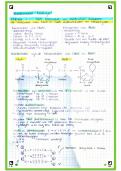
Global structure ofchromosomes
Each organism has a number of chromosomes
all of our cells have the same DNA , so the expression of the gene → fenotype
epigenetic factors cause fate of the cell , not chromosomes itself .
DNA structure :1ObP / turn > 2 meter packing
Pernucleus -
heel lang
histon (4) proteins
H2A handshake nucleosome histone
}
DNA
• __
-
◦
H2B Plaatie did
}
◦
H3 It
•
H4
De N-terminal is modifiable and very flexible
folding :
H3 8HU - > tetramer > octamer
>
Beads on a string
H2A IH2B > dimer ✗2 v6 on top of each Other
Bending of DNA requires substantial compression of minor groove 30hm chromatin
fiber condensed
chromatin structure interplay with these processes chromosome
Giant chromosomes
◦
LAMP brush chromosomes clearly visible with light microscope
stained with die makes 100ps Visible large amount of RNA > decondensed __ making RNA
Techniques for determining position of 100ps :
•
3C > chromosome conformation capture
, federal
college I PO1Y tene chromosomes ( also big)
8- Sept > from saliva gland of bee replication keeps on happening
•
bands & inter bands
" "
◦
with puffs new puffs arise ,
old puffs recede , as a new gene
-
Eeg ion where chromatin is decompressed
3
_
UTP labeled newly synth DNA .
chromosomes occupy specific "
territories
"
in the cell nucleons
FISH - fluorescence in situ hybridisation film pie
Our interphase chromatin are folded into a fractal globule conformation
'
knot free arrangement allow dense packing : chromatin can fold / unfold
Distribution of active genes / gene rich regions : there are different positions for active / inactive genes
chromatin can move to specific sites in the nucleus to alter gene expression
position of gene changes when highly expressed
makes a IO0P to
factory
nuclear subcompartments
◦
not stable structures
the nucleolus
-
is the site for ribosome subunit 7
formation. It consists of network of
.Role of compaction:
RNAs and proteins concentrated around
(1) Sister chromatid can be easily separated
-
rRNA genes that are actively
(2) Compaction protect the relatively fragile transcribed.
DNA molecules from being broken as they
pulled to separate daughter cells
, ↳edge 1
Brief summary
• Interaction between DNA and proteins is necessary for a dynamic
folding of DNA.
• Interphase chromosome occupies discrete territories in cell nucleus.
• Interior of the nucleus is highly dynamic. It contain
subcompartments, where different sets of biochemical reactions are
facilitated.
• During mitosis, gene expression shut down and all chromosomes
adapt a highly condensed conformation.
Eu chromatin
✓
> active regions almost not visible
, ,
C6 rich regions
hetvochromatin
condensed , darker inactive ,
,
AT rich make more
◦
self -
propagating , very dominating ( position effect ) heterochromatine
when hetrochromatih Passes euchromatihe it will penetrate it and tries to transform it
depends on state of the cell .
this is also for all the new cells
-
genetics 2
,College 18se.pt
DNA & RNA regulated Processes
'
Topics :
Global structure ofchromosomes
Each organism has a number of chromosomes
all of our cells have the same DNA , so the expression of the gene → fenotype
epigenetic factors cause fate of the cell , not chromosomes itself .
DNA structure :1ObP / turn > 2 meter packing
Pernucleus -
heel lang
histon (4) proteins
H2A handshake nucleosome histone
}
DNA
• __
-
◦
H2B Plaatie did
}
◦
H3 It
•
H4
De N-terminal is modifiable and very flexible
folding :
H3 8HU - > tetramer > octamer
>
Beads on a string
H2A IH2B > dimer ✗2 v6 on top of each Other
Bending of DNA requires substantial compression of minor groove 30hm chromatin
fiber condensed
chromatin structure interplay with these processes chromosome
Giant chromosomes
◦
LAMP brush chromosomes clearly visible with light microscope
stained with die makes 100ps Visible large amount of RNA > decondensed __ making RNA
Techniques for determining position of 100ps :
•
3C > chromosome conformation capture
, federal
college I PO1Y tene chromosomes ( also big)
8- Sept > from saliva gland of bee replication keeps on happening
•
bands & inter bands
" "
◦
with puffs new puffs arise ,
old puffs recede , as a new gene
-
Eeg ion where chromatin is decompressed
3
_
UTP labeled newly synth DNA .
chromosomes occupy specific "
territories
"
in the cell nucleons
FISH - fluorescence in situ hybridisation film pie
Our interphase chromatin are folded into a fractal globule conformation
'
knot free arrangement allow dense packing : chromatin can fold / unfold
Distribution of active genes / gene rich regions : there are different positions for active / inactive genes
chromatin can move to specific sites in the nucleus to alter gene expression
position of gene changes when highly expressed
makes a IO0P to
factory
nuclear subcompartments
◦
not stable structures
the nucleolus
-
is the site for ribosome subunit 7
formation. It consists of network of
.Role of compaction:
RNAs and proteins concentrated around
(1) Sister chromatid can be easily separated
-
rRNA genes that are actively
(2) Compaction protect the relatively fragile transcribed.
DNA molecules from being broken as they
pulled to separate daughter cells
, ↳edge 1
Brief summary
• Interaction between DNA and proteins is necessary for a dynamic
folding of DNA.
• Interphase chromosome occupies discrete territories in cell nucleus.
• Interior of the nucleus is highly dynamic. It contain
subcompartments, where different sets of biochemical reactions are
facilitated.
• During mitosis, gene expression shut down and all chromosomes
adapt a highly condensed conformation.
Eu chromatin
✓
> active regions almost not visible
, ,
C6 rich regions
hetvochromatin
condensed , darker inactive ,
,
AT rich make more
◦
self -
propagating , very dominating ( position effect ) heterochromatine
when hetrochromatih Passes euchromatihe it will penetrate it and tries to transform it
depends on state of the cell .
this is also for all the new cells