PTSD 1
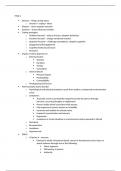
Stressor – thing causing stress
o Stressor > coping = stress
Distress – stress impedes function
Eustress – stress enhances function
Coping strategies:
o Problem-focused – reduce stressor, adaptive behaviour
o Emotion-focused – change emotional reaction
o Appraisal focused – challenge assumptions, adaptive cognitive
o Engagement/disengagement
o Cognitive/behavioural/social
o Proactive
Impact of stress depends on
o External factors
Severity
Duration
Timing
Cumulative
o Internal factors
Personal impact
Predictability
Controllability
o Predisposing/risk factors
Post-traumatic stress disorder
o Psychological and physical symptoms result from sudden, unexpected environmental
crises
o Symptoms:
Traumatic event is persistently reexperienced by the person through
intrusive, recurring thoughts or nightmares
Person avoids stimuli associated with trauma
May experience chronic tension or irritability
Insomnia and inability to tolerate noise
Impaired concentration and memory
Depression
Avoidance of social situations or environments where exposed to stimuli
o Persistent
o Re-experience
o Avoidance
o Hyperarousal
DSM5
o Criterion A – stressor:
Exposed to death, threatened death, actual or threatened serious injury or
sexual violence through one of the following:
Direct exposure
Witnessing, in person
Indirectly
Stressor – thing causing stress
o Stressor > coping = stress
Distress – stress impedes function
Eustress – stress enhances function
Coping strategies:
o Problem-focused – reduce stressor, adaptive behaviour
o Emotion-focused – change emotional reaction
o Appraisal focused – challenge assumptions, adaptive cognitive
o Engagement/disengagement
o Cognitive/behavioural/social
o Proactive
Impact of stress depends on
o External factors
Severity
Duration
Timing
Cumulative
o Internal factors
Personal impact
Predictability
Controllability
o Predisposing/risk factors
Post-traumatic stress disorder
o Psychological and physical symptoms result from sudden, unexpected environmental
crises
o Symptoms:
Traumatic event is persistently reexperienced by the person through
intrusive, recurring thoughts or nightmares
Person avoids stimuli associated with trauma
May experience chronic tension or irritability
Insomnia and inability to tolerate noise
Impaired concentration and memory
Depression
Avoidance of social situations or environments where exposed to stimuli
o Persistent
o Re-experience
o Avoidance
o Hyperarousal
DSM5
o Criterion A – stressor:
Exposed to death, threatened death, actual or threatened serious injury or
sexual violence through one of the following:
Direct exposure
Witnessing, in person
Indirectly