Depression/CBT
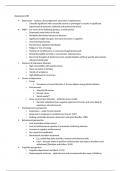
Depression – sadness, discouragement, pessimism, hopelessness
o Clinically significant when unusually severe or prolonged or results in significant
impairment at personal, relational and professional levels
MDD – 5 or more of the following during a 2 week period:
o Depressed mood most of the day
o Markedly diminished interest or pleasure
o Significant weight loss/gain, decrease/increases in appetite
o Insomnia/hypersomnia
o Psychomotor agitation/retardation
o Fatigue or loss of energy
o Feelings of worthlessness or excessive/inappropriate guilt
o Diminished ability to think or concentrate, indecisiveness
o Recurrent thoughts of death/recurrent suicidal ideation without specific plan/suicide
attempt/suicide plan
Features of depressive disorders
o High comorbidity with anxiety/stress
o More prevalent in females
o Variety of symptoms
o High likelihood of recurrence
Causes of depression
o Genes
Prevalence of mood disorders 2-3 times higher among blood relatives
o Environment
Stressful life events
Chronic stress
Social media??
o Gene-environment interplay – diathesis-stress model
Neurotic individuals have negative appraisal of events and more likely to
experience stressful events
Psychodynamic perspective
o Depression – anger turned inwards
o Response to imagined or symbolic loss (Freud, 1917)
o Striking similarities between depression and grief (Bowlby, 1980)
Behavioural perspective
o Lack of positive reinforcement
o Lack of reinforcement capacity of previously reinforcing stimulus
o Increase in negative reinforcement
o No causal link established
o Behavioural activation treatment
E.g. scheduling daily activities, mastery and pleasure tasks
Goal – increase levels of positive reinforcement and reduce avoidance and
withdrawal (Dimidjan and Hollon, 2010)
Cognitive perspective
o Cognitive depressive triad (Beck, 1979)
o Depressogenic schemas – rigid extreme and counterproductive ways of thinking
Depression – sadness, discouragement, pessimism, hopelessness
o Clinically significant when unusually severe or prolonged or results in significant
impairment at personal, relational and professional levels
MDD – 5 or more of the following during a 2 week period:
o Depressed mood most of the day
o Markedly diminished interest or pleasure
o Significant weight loss/gain, decrease/increases in appetite
o Insomnia/hypersomnia
o Psychomotor agitation/retardation
o Fatigue or loss of energy
o Feelings of worthlessness or excessive/inappropriate guilt
o Diminished ability to think or concentrate, indecisiveness
o Recurrent thoughts of death/recurrent suicidal ideation without specific plan/suicide
attempt/suicide plan
Features of depressive disorders
o High comorbidity with anxiety/stress
o More prevalent in females
o Variety of symptoms
o High likelihood of recurrence
Causes of depression
o Genes
Prevalence of mood disorders 2-3 times higher among blood relatives
o Environment
Stressful life events
Chronic stress
Social media??
o Gene-environment interplay – diathesis-stress model
Neurotic individuals have negative appraisal of events and more likely to
experience stressful events
Psychodynamic perspective
o Depression – anger turned inwards
o Response to imagined or symbolic loss (Freud, 1917)
o Striking similarities between depression and grief (Bowlby, 1980)
Behavioural perspective
o Lack of positive reinforcement
o Lack of reinforcement capacity of previously reinforcing stimulus
o Increase in negative reinforcement
o No causal link established
o Behavioural activation treatment
E.g. scheduling daily activities, mastery and pleasure tasks
Goal – increase levels of positive reinforcement and reduce avoidance and
withdrawal (Dimidjan and Hollon, 2010)
Cognitive perspective
o Cognitive depressive triad (Beck, 1979)
o Depressogenic schemas – rigid extreme and counterproductive ways of thinking