

Composed in 1873-1874 in memory of the novelist, Manzone, and first performed in Milan,1874. Usually
performed in concert rather than liturgical setting.
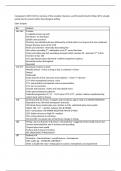
Liber Scriptus
Bar Analysis
162-169 D minor
A cappella mezzo sop solo
Monotone- on dominant
Syllabic and accented
Phrasing- two identical phrases followed by a third which is as long as first two combined
(longer phrases starts at bar 170)
Flutes and clarinets- chromatic descending line
Horn plays ascending 7th- anticipates vocal 5th ascent bar later
Violas and cellos play fast ascending sextuplet which reaches C# - dominant 7 th in first
inversion in bar 164
165- ppp timpani plays dominant- reaffirms imperfect cadence
Dominant tension throughout
Repeated
170-177 Dominant resolves to tonic
Melodic phrase = twice as long as last 2 combined = 8 bars
Dotted
Melismatic
Scalic descent at first, becomes more disjunct – minor 7 th descent
174- brief monophonic texture- voice
175- monorhythm and operatic voice ornamentation
176- turn in vocal line
Clarinet and bassoon, violins and viola double voice
Cellos play semiquaver patterns
Cadential progression ii7- V7 – I in D minor (175-177) - perfect cadence emphasised by
unison tonic note in chorus.
178 Orchestral link for 5 bars- trumpets and trombones sigh in 3rds in D MAJOR HARMONY
Repeated in bar 180 with semiquaver anacrusis
182 whole brass section play now- fanfare in 3rds- ophicleide plays tonic pedal
182(4)-183 = V7 – I perfect cadence into B MINOR
183 = tonicisation of B MINOR (RELATIVE MIN OF D MAJ)
183- Soloist returns on high F# - mediant
184- octave descent in vocal line
184 and 185- increased rate of harmonic change in strings
186 Strings- start on B (tonic of B minor)- chromaticism- staggered entries build texture but
remains homorhythmic and in octaves and ascending
Timpani plays tonic pedal
Fanfare 3rds in brass in B minor
BIG CRESCENDO THROUGHOUT
187 Fanfare in ff
Orchestra = homorhythmic, overall texture = homophonic
188- subito pp – DYNAMIC CONTRAST !
Violin 1 double the voice- strings play in octaves, homophonic accompaniment
performed in concert rather than liturgical setting.
Liber Scriptus
Bar Analysis
162-169 D minor
A cappella mezzo sop solo
Monotone- on dominant
Syllabic and accented
Phrasing- two identical phrases followed by a third which is as long as first two combined
(longer phrases starts at bar 170)
Flutes and clarinets- chromatic descending line
Horn plays ascending 7th- anticipates vocal 5th ascent bar later
Violas and cellos play fast ascending sextuplet which reaches C# - dominant 7 th in first
inversion in bar 164
165- ppp timpani plays dominant- reaffirms imperfect cadence
Dominant tension throughout
Repeated
170-177 Dominant resolves to tonic
Melodic phrase = twice as long as last 2 combined = 8 bars
Dotted
Melismatic
Scalic descent at first, becomes more disjunct – minor 7 th descent
174- brief monophonic texture- voice
175- monorhythm and operatic voice ornamentation
176- turn in vocal line
Clarinet and bassoon, violins and viola double voice
Cellos play semiquaver patterns
Cadential progression ii7- V7 – I in D minor (175-177) - perfect cadence emphasised by
unison tonic note in chorus.
178 Orchestral link for 5 bars- trumpets and trombones sigh in 3rds in D MAJOR HARMONY
Repeated in bar 180 with semiquaver anacrusis
182 whole brass section play now- fanfare in 3rds- ophicleide plays tonic pedal
182(4)-183 = V7 – I perfect cadence into B MINOR
183 = tonicisation of B MINOR (RELATIVE MIN OF D MAJ)
183- Soloist returns on high F# - mediant
184- octave descent in vocal line
184 and 185- increased rate of harmonic change in strings
186 Strings- start on B (tonic of B minor)- chromaticism- staggered entries build texture but
remains homorhythmic and in octaves and ascending
Timpani plays tonic pedal
Fanfare 3rds in brass in B minor
BIG CRESCENDO THROUGHOUT
187 Fanfare in ff
Orchestra = homorhythmic, overall texture = homophonic
188- subito pp – DYNAMIC CONTRAST !
Violin 1 double the voice- strings play in octaves, homophonic accompaniment


