Investigating the Cooling of Parafin Wax and Stearic Acid Over Time
This experimented aimed to produce four cooling curves, two for paraffin wax and two for stearic
acid, one using a digital thermometer and one using an analogue thermometer for each substance.
Cooling curves can then be used to calculate the melting point of the substance and the cooling rates
throughout the cooling process. The results for this experiment can be seen below.
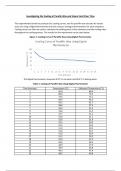
Figure 1: Cooling Curve of Paraffin Wax Using Digital Thermometer
The digital thermometer measured 0.8°C in ice water and 96.4°C in boiling water.
Table 1: Cooling of Paraffin Wax Using Digital Thermometer
Time (minutes) Temperature (°C) Calibrated Temperature (°C)
1 92.0 89.6
2 80.8 79.4
3 73.5 72.1
4 66.9 65.5
5 63.1 61.7
6 58.6 57.2
7 56.4 51.3
8 53.6 51.4
9 52.7 51.2
10 52.8 51.1
11 52.6 51.8
12 52.5 50.5
13 52.2 50.4
14 51.9 50.2
15 51.8 50.7
16 51.6 50.9
17 51.1 50.2
18 51.3 47.5
19 50.6 48.5
20 48.9 47.9
21 49.9 46.8
22 49.3 47.9
23 48.2 46.8
, 24 48.1 46.7
25 47.6 46.2
26 45.4 44.0
27 44.1 42.7
28 45.5 44.1
29 44.4 43.0
30 43.6 42.2
31 42.8 41.4
32 42.0 40.6
33 41.3 39.9
34 40.4 39.0
35 39.5 38.1
Table 2: Cooling Rates of Paraffin Wax Using Digital Thermometer
Tangent Cooling Rate (°C/min)
1 -9.5
2 -7.5
3 -6.6
Figure 2: Cooling Curve of Paraffin Wax Using Analogue Thermometer
The analogue thermometer measured 0°C in ice water and 98°C in boiling water.
Table 3: Cooling of Paraffin Wax Using Analogue Thermometer
Time (minutes) Temperature (°C) Calibrated Temperature (°C)
1 90.0 89.1
2 68.0 67.3
3 66.0 65.3
4 62.0 61.4
5 57.0 56.4
6 55.0 54.5
7 53.0 52.5
8 52.0 51.5
9 52.0 51.5
This experimented aimed to produce four cooling curves, two for paraffin wax and two for stearic
acid, one using a digital thermometer and one using an analogue thermometer for each substance.
Cooling curves can then be used to calculate the melting point of the substance and the cooling rates
throughout the cooling process. The results for this experiment can be seen below.
Figure 1: Cooling Curve of Paraffin Wax Using Digital Thermometer
The digital thermometer measured 0.8°C in ice water and 96.4°C in boiling water.
Table 1: Cooling of Paraffin Wax Using Digital Thermometer
Time (minutes) Temperature (°C) Calibrated Temperature (°C)
1 92.0 89.6
2 80.8 79.4
3 73.5 72.1
4 66.9 65.5
5 63.1 61.7
6 58.6 57.2
7 56.4 51.3
8 53.6 51.4
9 52.7 51.2
10 52.8 51.1
11 52.6 51.8
12 52.5 50.5
13 52.2 50.4
14 51.9 50.2
15 51.8 50.7
16 51.6 50.9
17 51.1 50.2
18 51.3 47.5
19 50.6 48.5
20 48.9 47.9
21 49.9 46.8
22 49.3 47.9
23 48.2 46.8
, 24 48.1 46.7
25 47.6 46.2
26 45.4 44.0
27 44.1 42.7
28 45.5 44.1
29 44.4 43.0
30 43.6 42.2
31 42.8 41.4
32 42.0 40.6
33 41.3 39.9
34 40.4 39.0
35 39.5 38.1
Table 2: Cooling Rates of Paraffin Wax Using Digital Thermometer
Tangent Cooling Rate (°C/min)
1 -9.5
2 -7.5
3 -6.6
Figure 2: Cooling Curve of Paraffin Wax Using Analogue Thermometer
The analogue thermometer measured 0°C in ice water and 98°C in boiling water.
Table 3: Cooling of Paraffin Wax Using Analogue Thermometer
Time (minutes) Temperature (°C) Calibrated Temperature (°C)
1 90.0 89.1
2 68.0 67.3
3 66.0 65.3
4 62.0 61.4
5 57.0 56.4
6 55.0 54.5
7 53.0 52.5
8 52.0 51.5
9 52.0 51.5