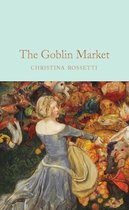
Research Area Guide Questions for Christina Rossetti
Women and Writers • Rossetti wrote poems i.e. ‘Goblin Market’
1862 and non-fiction i.e. ‘Seek and Find’
1879 based on short stories of the bible.
• Elizabeth Barrett Browning a Victorian
poet- claimed "Christ's religion is
essentially poetry – poetry glorified". She
explored the religious aspect in many of
her poems and explored nationalism,
revolution, slavery, and industrialisation
critically.
The Bronte sisters-
• Charlotte Bronte [oldest] wrote poetry as
a child and grew to write ‘Jane Eyre’
inspired by her bad experiences in Lowood
School [age 14]- she put off marriage to
focus on her literature until later in life
and portrayed her women the same.
[strong and capable of getting through
hardships] [pen name- Currer Bell]
• Emily Bronte [2nd oldest] Novelist and Poet
too- wrote ‘Wuthering Heights’ showing
women under patriarchal influence
remaining active and fierce to their own
stories [pen name- Ellis Bell]
• Anne Bronte [youngest]- Novelist and
Poet—wrote ‘Agnes grey’ focusing more
on the atrocities females had to face in
Victorian society [pen name- Acton Bell]
Womens matters & The Womens Movement The Society for Promoting the Employment of
Women (SPEW) 1859:
• When SPEW was founded, there were few
acceptable occupations for middle-class
women other than a governess or a lady's
companion. SPEW made it acceptable for
women to be typists, hairdressers,
printers, and bookkeepers.
• Its name changed in 2014, becoming
‘Futures for Women’. It still operates
today
The Married women property act (TMWPA) 1870:
• Before the act, married women were
property of their husbands. She could not
legally own property, sign her own will or
sign any contracts
• TMWPA was the first act of the Parliament
of the United Kingdom that substantially
Women and Writers • Rossetti wrote poems i.e. ‘Goblin Market’
1862 and non-fiction i.e. ‘Seek and Find’
1879 based on short stories of the bible.
• Elizabeth Barrett Browning a Victorian
poet- claimed "Christ's religion is
essentially poetry – poetry glorified". She
explored the religious aspect in many of
her poems and explored nationalism,
revolution, slavery, and industrialisation
critically.
The Bronte sisters-
• Charlotte Bronte [oldest] wrote poetry as
a child and grew to write ‘Jane Eyre’
inspired by her bad experiences in Lowood
School [age 14]- she put off marriage to
focus on her literature until later in life
and portrayed her women the same.
[strong and capable of getting through
hardships] [pen name- Currer Bell]
• Emily Bronte [2nd oldest] Novelist and Poet
too- wrote ‘Wuthering Heights’ showing
women under patriarchal influence
remaining active and fierce to their own
stories [pen name- Ellis Bell]
• Anne Bronte [youngest]- Novelist and
Poet—wrote ‘Agnes grey’ focusing more
on the atrocities females had to face in
Victorian society [pen name- Acton Bell]
Womens matters & The Womens Movement The Society for Promoting the Employment of
Women (SPEW) 1859:
• When SPEW was founded, there were few
acceptable occupations for middle-class
women other than a governess or a lady's
companion. SPEW made it acceptable for
women to be typists, hairdressers,
printers, and bookkeepers.
• Its name changed in 2014, becoming
‘Futures for Women’. It still operates
today
The Married women property act (TMWPA) 1870:
• Before the act, married women were
property of their husbands. She could not
legally own property, sign her own will or
sign any contracts
• TMWPA was the first act of the Parliament
of the United Kingdom that substantially