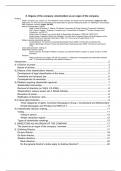
8. Organs of the company: shareholders as an organ of the company
Reading:
- Pettet’s Company Law, section 5.2 ‘The institutions of the company: the board and the shareholders’ (pages 121-123)
and section 7.3 ‘The role and functioning of the shareholders in general meeting’ to section 7.5 ‘Meetings in small closely-
held companies’ inclusive (pages 155-165)
- Nature of shareholders’ interest
- Adolf A. Berle & Gardiner C. Means, The Modern Corporation & Private Property (Transaction Publishers,
1991), Book I Chapter I ‘Property in Transition’ pp 3-10 and Book IV Chapter IV ‘The New Concept of the
Corporation,’ pp 309-313.
- Paddy Ireland, Company Law and the Myth of Shareholder Ownership, (1999) 62(1) MLR 32-57
- Paddy Ireland, Capitalism Without the Capitalist: The Joint Stock Company Share and the Emergence of the
Modern Doctrine of Separate Personality, (1996) 17(1) The Journal of Legal History 41-73.
- Matters requiring shareholder approval
- Lucian Bebchuk, The Case for Increasing Shareholder Power (2005) 118 Harvard Law Review 833
- Stephen Bainbridge, Director Primacy and Shareholder Disempowerment (2005) 119 Harvard Law Review
1735
- Class rights protection: nothing rly
- Shareholder decision making
- Gower & Davies, Principles of Modern Company Law (eleventh edition), chapter 12, paras 12-022 to 12-058
(inclusive)
- Directors
- Pettet’s Company Law, pages 149-155 only (section 7.1 ‘Alignment of managerial and shareholder interests’
and 7.2 ‘The role and functioning of the board of directors’)
Introduction.................................................................................................................................. 2
8.1 Division of power.................................................................................................................... 3
Nature of division.....................................................................................................................3
8.2 Nature of the shareholders’ interest.......................................................................................5
Development of legal classification of the share......................................................................5
Ownership and company law..................................................................................................6
Consequences of ownership...................................................................................................6
8.3 Matters requiring shareholder approval..................................................................................7
Shareholder intervention......................................................................................................... 7
Removal of directors (ss 168-9, CA 2006)...............................................................................8
Shareholders’ reserve power (art 4, Model Articles)................................................................8
Reversion of power................................................................................................................. 8
Ratification of directors’ acts....................................................................................................9
8.4 Class right protection............................................................................................................. 9
Three categories of rights: Cumbrian Newspapers Group v Cumberland and Westmorland
Herald Newspaper and Printing Co [1987] Ch 1.................................................................9
8.5 Shareholder decision making...............................................................................................11
Voting.................................................................................................................................... 11
Voting in person................................................................................................................ 12
Written resolution regime..................................................................................................12
Types of shareholder meetings.............................................................................................13
9. DIRECTORS AS AN ORGAN OF THE COMPANY...............................................................17
The board as an organ of the company: overview.................................................................17
9.1 Defining Director.................................................................................................................. 17
De jure director...................................................................................................................... 18
De facto director.................................................................................................................... 18
Shadow directors................................................................................................................... 21
Real influence................................................................................................................... 22
Do the general director’s duties apply to shadow directors?.............................................22
, Non-executive directors (NEDs)............................................................................................23
Do directors’ duties apply to NEDs?.................................................................................24
Remuneration................................................................................................................... 24
9.2 Appointment......................................................................................................................... 25
Requirements to act as a director.....................................................................................25
9.3 Decision making................................................................................................................... 26
Directors’ authority................................................................................................................ 26
Specific obligations (not duties).............................................................................................26
Directors’ decision making.....................................................................................................26
Board meetings..................................................................................................................... 27
Board meeting formalities.................................................................................................27
Reviewing board decisions....................................................................................................27
Guidance from elsewhere? What do we expect the board to do?.....................................28
9.4 TERMINATION.................................................................................................................... 30
Removal by members........................................................................................................... 30
Termination under the articles (art 18)...................................................................................30
Post-termination actions........................................................................................................30
Directors’ rights on termination.........................................................................................31
Introduction
Context: the problem and value of authority
● To serve its functions, responsibility must be capable of correcting errors but should not
be such as to destroy the genuine values of authority. (Kenneth Arrow, The Limits of
Organization)
● The risk that directors will further their own risks > their shareholders
● Authority very much a benefit w a challenge - think about this when granting
shareholders rights of intervention
○ Bainbridge: be careful about destroying the very thing which provides value in the
first place - the efficiency of the organisation
○ Strike a balance in the benefit of authority
● Directors need to be held accountable, but not so much that they can’t do their job.
○ They are fiduciaries, but they are also entrepreneurs, and they need the freedom
to be able to do that.
Balance of power between the board and shareholders: we need to ask 3 questions when
striking the balance.
1. Who can make decisions on behalf of the power
2. What are those decisions?
a. What determines the allocation of power?
b. Does the shareholder’s ability to sell their shares impact what we think they can
do?
c. Once decided that broad allocation of power, what are the broad rules? Is it
materiality - size of the company? Conflicts of interest between the director and
, board? Decisions that might impact the shareholder in selling material assets;
changing the arts of assoc?
3. Who can appoint and remove the directors?
a. Who has the ability to remove the board, or any one of them, and what is the
threshold required to do that? (how many shareholders needed #)
8.1 Division of power
Nature of division
Underlying position of the shareholders, board, underlying grant of managerial
rights to the board of directors → what is the legal effect of the articles of association?
- Art 3: board of directors is granted a general managerial right
Early conception: directors as agents
● ‘The directors shall have the management … of the affairs of the company [but] … the
exercise of all such powers shall be subject also to the control and regulation of any
general meeting…’’
○ s 90, Companies Clauses Consolidation Act 1845:
■ The directors simply in place as the shareholders’ agent
Isle of Wight Railway Co v Tahourdin (1883) 25 Ch. D. 320:
● Facts:
○ Shareholders requisitioned the board to convene a meeting to consider two
resolutions
○ The board held a meeting to consider only one
○ Could the board injunct the requisitionists from convening a further meeting to
consider both resolutions?
■ While it did convene a general meeting, only convened for the purpose of
the more general review of the workings of the company
■ In response, shareholders sought to call and convene their own
meetings → directors sought to injunct that act
● CA Held: found in favour of the shareholders
○ ‘It is a very strong thing indeed to prevent shareholders from holding a meeting of
the company, when such a meeting is the only way in which they can
interfere, if the majority of them think that the course taken by the directors … is
not for the benefit of the company.’ [329] Cotton LJ
○ ‘…this case … raises a question of the utmost possible consequence as to the
management of railway and other companies...this Court has constantly and
consistently refused to interfere on behalf of shareholders (recall this is an early
case), until they have done the best they can to set right the matters of which
they complain, by calling general meetings. Bearing in mind that line of
decisions, what would be the position of the shareholders if there were to be
another line of decisions prohibiting meetings of the shareholders to consider
their own affairs?’ [333] Lindley LJ
○ Held that the shareholders can do things in ordinary resolution by granting power
under the articles of association, the shareholders had not constrained the own
ability to interfere with the running of the company
Modern position
, Automatic Self-Cleansing Filter Syndicate Co v Cunninghame [1906] 2 Ch 34
● Facts:
○ Ordinary resolution:
■ Directing the board to sell the company assets on specified terms to a
NewCo
○ Art 96
■ The management of the business and the control of the company shall be
vested in the directors, who … may exercise all such powers … as may
be exercised or done by the company…
○ Shareholder wanted to order their own meeting
●
● Arguments:
○ Automatic Self-Cleansing: the directors are the agents of the company, and as
such are bound to obey the direction of their principal
■ the company in general meeting has power to direct and control the
directors in the management of the affairs of the company: Isle of Wight
Ry. Co. v. Tahourdin
● But held:
○ It seems to me that it is not competent for the majority of the shareholders at
an ordinary meeting to affect or alter the mandate originally given to the
directors, by the articles of association…if the mandate of the directors is to
be altered, it can only be under the machinery of the memorandum and articles
themselves. [42] (Collins MR)
■ Having granted the power under the arts of assoc to the board to exercise
these management rights, the shareholders can then only interfere with
that grant of power in accordance with the articles themselves.
● They can delay the efficiency of the board acting: recognition of
the articles as a public document - if we allow anything to the
shareholder other than rights to act in accordance to the articles,
then third parties relying on the AOA will be misled
○ Held: directors are not mere agents as held in the Isle of Wright
■ I do not think it true to say that the directors are agents. I think it is
more nearly true to say that they are in the position of managing
Reading:
- Pettet’s Company Law, section 5.2 ‘The institutions of the company: the board and the shareholders’ (pages 121-123)
and section 7.3 ‘The role and functioning of the shareholders in general meeting’ to section 7.5 ‘Meetings in small closely-
held companies’ inclusive (pages 155-165)
- Nature of shareholders’ interest
- Adolf A. Berle & Gardiner C. Means, The Modern Corporation & Private Property (Transaction Publishers,
1991), Book I Chapter I ‘Property in Transition’ pp 3-10 and Book IV Chapter IV ‘The New Concept of the
Corporation,’ pp 309-313.
- Paddy Ireland, Company Law and the Myth of Shareholder Ownership, (1999) 62(1) MLR 32-57
- Paddy Ireland, Capitalism Without the Capitalist: The Joint Stock Company Share and the Emergence of the
Modern Doctrine of Separate Personality, (1996) 17(1) The Journal of Legal History 41-73.
- Matters requiring shareholder approval
- Lucian Bebchuk, The Case for Increasing Shareholder Power (2005) 118 Harvard Law Review 833
- Stephen Bainbridge, Director Primacy and Shareholder Disempowerment (2005) 119 Harvard Law Review
1735
- Class rights protection: nothing rly
- Shareholder decision making
- Gower & Davies, Principles of Modern Company Law (eleventh edition), chapter 12, paras 12-022 to 12-058
(inclusive)
- Directors
- Pettet’s Company Law, pages 149-155 only (section 7.1 ‘Alignment of managerial and shareholder interests’
and 7.2 ‘The role and functioning of the board of directors’)
Introduction.................................................................................................................................. 2
8.1 Division of power.................................................................................................................... 3
Nature of division.....................................................................................................................3
8.2 Nature of the shareholders’ interest.......................................................................................5
Development of legal classification of the share......................................................................5
Ownership and company law..................................................................................................6
Consequences of ownership...................................................................................................6
8.3 Matters requiring shareholder approval..................................................................................7
Shareholder intervention......................................................................................................... 7
Removal of directors (ss 168-9, CA 2006)...............................................................................8
Shareholders’ reserve power (art 4, Model Articles)................................................................8
Reversion of power................................................................................................................. 8
Ratification of directors’ acts....................................................................................................9
8.4 Class right protection............................................................................................................. 9
Three categories of rights: Cumbrian Newspapers Group v Cumberland and Westmorland
Herald Newspaper and Printing Co [1987] Ch 1.................................................................9
8.5 Shareholder decision making...............................................................................................11
Voting.................................................................................................................................... 11
Voting in person................................................................................................................ 12
Written resolution regime..................................................................................................12
Types of shareholder meetings.............................................................................................13
9. DIRECTORS AS AN ORGAN OF THE COMPANY...............................................................17
The board as an organ of the company: overview.................................................................17
9.1 Defining Director.................................................................................................................. 17
De jure director...................................................................................................................... 18
De facto director.................................................................................................................... 18
Shadow directors................................................................................................................... 21
Real influence................................................................................................................... 22
Do the general director’s duties apply to shadow directors?.............................................22
, Non-executive directors (NEDs)............................................................................................23
Do directors’ duties apply to NEDs?.................................................................................24
Remuneration................................................................................................................... 24
9.2 Appointment......................................................................................................................... 25
Requirements to act as a director.....................................................................................25
9.3 Decision making................................................................................................................... 26
Directors’ authority................................................................................................................ 26
Specific obligations (not duties).............................................................................................26
Directors’ decision making.....................................................................................................26
Board meetings..................................................................................................................... 27
Board meeting formalities.................................................................................................27
Reviewing board decisions....................................................................................................27
Guidance from elsewhere? What do we expect the board to do?.....................................28
9.4 TERMINATION.................................................................................................................... 30
Removal by members........................................................................................................... 30
Termination under the articles (art 18)...................................................................................30
Post-termination actions........................................................................................................30
Directors’ rights on termination.........................................................................................31
Introduction
Context: the problem and value of authority
● To serve its functions, responsibility must be capable of correcting errors but should not
be such as to destroy the genuine values of authority. (Kenneth Arrow, The Limits of
Organization)
● The risk that directors will further their own risks > their shareholders
● Authority very much a benefit w a challenge - think about this when granting
shareholders rights of intervention
○ Bainbridge: be careful about destroying the very thing which provides value in the
first place - the efficiency of the organisation
○ Strike a balance in the benefit of authority
● Directors need to be held accountable, but not so much that they can’t do their job.
○ They are fiduciaries, but they are also entrepreneurs, and they need the freedom
to be able to do that.
Balance of power between the board and shareholders: we need to ask 3 questions when
striking the balance.
1. Who can make decisions on behalf of the power
2. What are those decisions?
a. What determines the allocation of power?
b. Does the shareholder’s ability to sell their shares impact what we think they can
do?
c. Once decided that broad allocation of power, what are the broad rules? Is it
materiality - size of the company? Conflicts of interest between the director and
, board? Decisions that might impact the shareholder in selling material assets;
changing the arts of assoc?
3. Who can appoint and remove the directors?
a. Who has the ability to remove the board, or any one of them, and what is the
threshold required to do that? (how many shareholders needed #)
8.1 Division of power
Nature of division
Underlying position of the shareholders, board, underlying grant of managerial
rights to the board of directors → what is the legal effect of the articles of association?
- Art 3: board of directors is granted a general managerial right
Early conception: directors as agents
● ‘The directors shall have the management … of the affairs of the company [but] … the
exercise of all such powers shall be subject also to the control and regulation of any
general meeting…’’
○ s 90, Companies Clauses Consolidation Act 1845:
■ The directors simply in place as the shareholders’ agent
Isle of Wight Railway Co v Tahourdin (1883) 25 Ch. D. 320:
● Facts:
○ Shareholders requisitioned the board to convene a meeting to consider two
resolutions
○ The board held a meeting to consider only one
○ Could the board injunct the requisitionists from convening a further meeting to
consider both resolutions?
■ While it did convene a general meeting, only convened for the purpose of
the more general review of the workings of the company
■ In response, shareholders sought to call and convene their own
meetings → directors sought to injunct that act
● CA Held: found in favour of the shareholders
○ ‘It is a very strong thing indeed to prevent shareholders from holding a meeting of
the company, when such a meeting is the only way in which they can
interfere, if the majority of them think that the course taken by the directors … is
not for the benefit of the company.’ [329] Cotton LJ
○ ‘…this case … raises a question of the utmost possible consequence as to the
management of railway and other companies...this Court has constantly and
consistently refused to interfere on behalf of shareholders (recall this is an early
case), until they have done the best they can to set right the matters of which
they complain, by calling general meetings. Bearing in mind that line of
decisions, what would be the position of the shareholders if there were to be
another line of decisions prohibiting meetings of the shareholders to consider
their own affairs?’ [333] Lindley LJ
○ Held that the shareholders can do things in ordinary resolution by granting power
under the articles of association, the shareholders had not constrained the own
ability to interfere with the running of the company
Modern position
, Automatic Self-Cleansing Filter Syndicate Co v Cunninghame [1906] 2 Ch 34
● Facts:
○ Ordinary resolution:
■ Directing the board to sell the company assets on specified terms to a
NewCo
○ Art 96
■ The management of the business and the control of the company shall be
vested in the directors, who … may exercise all such powers … as may
be exercised or done by the company…
○ Shareholder wanted to order their own meeting
●
● Arguments:
○ Automatic Self-Cleansing: the directors are the agents of the company, and as
such are bound to obey the direction of their principal
■ the company in general meeting has power to direct and control the
directors in the management of the affairs of the company: Isle of Wight
Ry. Co. v. Tahourdin
● But held:
○ It seems to me that it is not competent for the majority of the shareholders at
an ordinary meeting to affect or alter the mandate originally given to the
directors, by the articles of association…if the mandate of the directors is to
be altered, it can only be under the machinery of the memorandum and articles
themselves. [42] (Collins MR)
■ Having granted the power under the arts of assoc to the board to exercise
these management rights, the shareholders can then only interfere with
that grant of power in accordance with the articles themselves.
● They can delay the efficiency of the board acting: recognition of
the articles as a public document - if we allow anything to the
shareholder other than rights to act in accordance to the articles,
then third parties relying on the AOA will be misled
○ Held: directors are not mere agents as held in the Isle of Wright
■ I do not think it true to say that the directors are agents. I think it is
more nearly true to say that they are in the position of managing