Class notes pedodontics
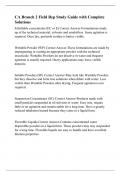
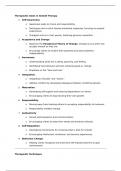
Pediatric soft tissue management in dentistry focuses on the health and care of the gums and other soft tissues in the oral cavity of children. Proper soft tissue management is vital for maintaining optimal oral health, preventing gum diseases, and ensuring a healthy foundation for developing teeth. Here is a brief description of pediatric soft tissue in dentistry: Gum Health: The gums, also known as gingiva, play a crucial role in supporting and protecting the teeth. Pediatric dentists pay close attention to the gum health of children, as gum diseases can have long-term effects on oral health. Regular check-ups and cleanings help monitor gum health, identify early signs of gingivitis or periodontal disease, and provide necessary treatment or preventive measures. Oral Hygiene: Teaching children proper oral hygiene practices is a fundamental aspect of pediatric soft tissue management. Dentists educate children and parents about the importance of regular brushing, flossing, and tongue cleaning to remove plaque and maintain healthy gums. Establishing good oral hygiene habits from an early age contributes to healthier soft tissues and prevents the onset of gum diseases. Preventive Measures: Pediatric dentists may recommend preventive measures to maintain the health of soft tissues. This may include fluoride treatments to strengthen tooth enamel and protect the gums, dental sealants to prevent decay in vulnerable areas, and the use of antimicrobial rinses to control bacterial growth and maintain oral health. Periodontal Evaluation: In some cases, pediatric dentists may conduct periodontal evaluations to assess the health of the gums and surrounding tissues. This evaluation helps identify any signs of periodontal disease, gum recession, or other abnormalities that may require treatment or further intervention. Soft Tissue Trauma: Pediatric dentists are trained to address soft tissue trauma in children, such as cuts, injuries, or ulcers in the oral cavity. Prompt management and appropriate treatment of soft tissue injuries help prevent infections and promote healing. Behavior Management: Soft tissue management in pediatric dentistry also involves effective behavior management techniques. Dentists create a child-friendly and supportive environment to ensure children feel comfortable during dental procedures. This approach helps reduce anxiety, promote cooperation, and facilitate soft tissue management procedures. Pediatric soft tissue management is crucial for promoting healthy gums, preventing gum diseases, and establishing good oral health habits in children. Regular dental visits, proper oral hygiene practices, preventive measures, and timely intervention contribute to maintaining optimal soft tissue health and supporting overall oral well-being
Written for
- Institution
- Unknown
- Module
- Pedodontics
Document information
- Uploaded on
- May 13, 2023
- Number of pages
- 2
- Written in
- 2022/2023
- Type
- Lecture notes
- Professor(s)
- Dr. anju rv
- Contains
- All classes
Subjects
-
pedodontics
-
soft tissue
-
soft tissue disturbances