AC 2.2 Describe trial processes [4 marks]
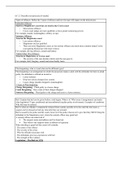
Types of offences: Define the 3 types of offences and how the type will impact on the trial process.
Indictable Offences
Start in a Magistrate's court but are tried in the Crown court
▫ Most serious offences
▫ Crown court judges are more qualified, so have greater sentencing powers
For example, murder, manslaughter, robbery or rape.
Summary Offences
Tried in the Magistrates court
▫ Less serious offences
▫ Magistrates are less qualified
▫ There are more Magistrates courts, as less serious offences are much more common (stops Crown
court getting blocked up with minor crimes)
For example, driving offences, assault and battery.
Triable Either Way Offences
Tried in in Magistrates or Crown court
▫ The severity of the case decides which court the case goes to
For example, theft, burglary, assault and actual bodily harm.
Plea bargaining: what is it and what are the different types?
Plea bargaining is an arrangement in which the prosecutor makes a deal with the defendant for them to plead
guilty, the defendant is offered an incentive:
+ Lesser sentence
+ Drop less serious charges (less counts)
+ Lesser charge (murder dropped to manslaughter)
3 Types of Plea bargaining
Charge Bargaining – Plead guilty to a lesser charge
Count Bargaining – Have some of their charges dropped
Sentence Bargaining – Plead guilty to the charge and receive a lesser sentence
Bail: Explain that bail can be given before a trial begins. What is it? Who issues it (magistrates) and under
what legislation? Types conditional and unconditional (explain police involvement). Examples of conditions.
Why bail may be refused.
Bail is when an offender is temporarily released from custody and able to be free until the trial starts, a
suspect can be released on bail any time after they are arrested.
Bail is issued by the police and the courts, however if the police choose not to give bail they MUST bring the
defendant to the Magistrates court, where the custody officer may grant bail.
A custody officer can refuse bail if:
§ The suspects name and address can't be found out
§ They believe the suspects name or address isn't genuine
When deciding to grant bail the courts will consider:
- The nature of the offence
- The severity of the crime
- Who the offender associates with
- The defendants previous experiences with bail
- The strength of the evidence
Legislation – The Bail Act 1976
Types of offences: Define the 3 types of offences and how the type will impact on the trial process.
Indictable Offences
Start in a Magistrate's court but are tried in the Crown court
▫ Most serious offences
▫ Crown court judges are more qualified, so have greater sentencing powers
For example, murder, manslaughter, robbery or rape.
Summary Offences
Tried in the Magistrates court
▫ Less serious offences
▫ Magistrates are less qualified
▫ There are more Magistrates courts, as less serious offences are much more common (stops Crown
court getting blocked up with minor crimes)
For example, driving offences, assault and battery.
Triable Either Way Offences
Tried in in Magistrates or Crown court
▫ The severity of the case decides which court the case goes to
For example, theft, burglary, assault and actual bodily harm.
Plea bargaining: what is it and what are the different types?
Plea bargaining is an arrangement in which the prosecutor makes a deal with the defendant for them to plead
guilty, the defendant is offered an incentive:
+ Lesser sentence
+ Drop less serious charges (less counts)
+ Lesser charge (murder dropped to manslaughter)
3 Types of Plea bargaining
Charge Bargaining – Plead guilty to a lesser charge
Count Bargaining – Have some of their charges dropped
Sentence Bargaining – Plead guilty to the charge and receive a lesser sentence
Bail: Explain that bail can be given before a trial begins. What is it? Who issues it (magistrates) and under
what legislation? Types conditional and unconditional (explain police involvement). Examples of conditions.
Why bail may be refused.
Bail is when an offender is temporarily released from custody and able to be free until the trial starts, a
suspect can be released on bail any time after they are arrested.
Bail is issued by the police and the courts, however if the police choose not to give bail they MUST bring the
defendant to the Magistrates court, where the custody officer may grant bail.
A custody officer can refuse bail if:
§ The suspects name and address can't be found out
§ They believe the suspects name or address isn't genuine
When deciding to grant bail the courts will consider:
- The nature of the offence
- The severity of the crime
- Who the offender associates with
- The defendants previous experiences with bail
- The strength of the evidence
Legislation – The Bail Act 1976