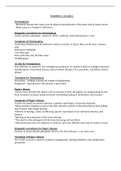
Introducing Poetry
Lecture and Seminar One
What is poetic language?
-Lyre
-Aeolian Harp; wind
-Both hold the importance of sound within them, like poetry
Robert Herrick
-Importance of song
-Repetition of ‘I sing’
-Both there in poetic language, but also often used as a theme
“The machinations of ambiguity are among the very roots of poetry”
William Empson
Sound in poetic language
-Rhythm – rhyme /alliteration/consonance/stress…
-Form/metre
William Barnes
-Geographical location – Devon
-Metrical beats
W.B. Yeats
-Lack of regular rhyme scheme
-Otarmourima (?)
-Use of half rhymes and full rhymes
-Against the grid it is supposed to be forming to
-Dying generations dying off as they are out of date
Iambic Pentameter
-A line of verse with five metrical feet, each one consisting of one short
(or unstressed) syllable followed by one long (or stressed) syllable
“Affect arises in the midst of in-between-ness: in the capacities to act and
be acted upon. Affect is an impingement or extrusion of a momentary or
sometimes more sustained state of relation as well as the passage of
forces and intensities” – Gregory J. Seigworth
William Shakespeare
-Anxiousness
-Line endings and phrases
-Pulling in different directions
-Raises questions of what poetic language should consist of
,-Compounds
-Concludes that because love is constant, no need to create new poetic
language
-Couplet at the end of the poem
“What does the word or phrase bring with it that is constant enough to
make it a contributor as well as a recipient of the poetic power of the
structure it enters?” Winnifred Nowotty
John Keats
-On the Sonnet
-Stressing a poem, by a poet considering the limits of form
-Strain on poetic language
-Set free
-Continuity of idea, what poetic language might be
-What does and why does…
-Rhymes conform to sonnet structure ABCCBDCAD ETC
-Imagery of sandals; like a Greek sandal interwoven
-Capitalisation; personification of poetry
-Metrical foot of poetry and foot of the goddess of poetry
“Poetry is a form for special attention and one that calls unusual
attention to the way it is formed” Jefferey Wainwright
“Poetics deal primarily with the question, what makes a verbal message a
work of art?” Roman Jakobson
-Resurgence of finding new ways to read poems, depending on their
shape in other ways to depict their meanings
-William Blake (TATE); often figured in relation to the real, mixed up with
the visual on the page, attention to the world outside the poem, verbal
images
Poetic language in context
-Importance of material shape of form in relation to meaning
-Aeolian Harp; “And that simplest Lute, /Placed length ways in the
clasping casement, hark!” Samuel Taylor Coleridge
“Poetry is a social institution. It has complex affinities with other parts of
our cultural existence” Terry Eagleton
-How poetic language sounds and is received around the date of the
poem
Andrew Marvell
-Tensions forming between …
-Breaking, to open a gap of irony
-Sounds so close to the rhyme scheme begins to ring hollow
- “How should we take Bermudas? Is it a straightforward propaganda
poem, commemorating the commencement of the godly governorship of
, the newly appointed Somers Island commissioner and erstwhile colonist,
john Oxenbridge? Or is the poem shot through with doubted and
questions – with ironies …”
Poetic Environments
-Subject to change
-Habitats for growth, development and transplantation of language
-Thought and subjectivities
-Poetic language from exterior environments transplanted to the new
habitat of the world
Margaret Cavendish
-Fragility
-Writes an apology
-Metaphor of poem as environment for language
-Literal importance of language as environment
-Dangers of those linguistic environments
Emily Dickenson
-They shut me up in prose
-Didn’t publish many poems in her lifetime
-Ecology being one of concealment and fragility
-Poem as responsive environment by the poet for you the reader
-How does poetic language contribute…
“Poetic works … asking what are the conventions that enable this work to
have the sorts of meanings and effects it does for readers. It does not
attempt to find a meaning but to understand the techniques…”
Seminar
What is poetry?
(refer to sheet)
-narrative, dramatic and lyric
-Poetry s valued for combining pleasure of dignity of expression
‘Poetry interacts with the language we use in our daily lives’ -Jefferey
Wainwright
How do we recognise poetry to be ‘poetry’? How do we know a poem is a
‘poem’?
-Forms and structures; verse, sonnet, rhyme etc etc
-Doesn’t read naturally like prose
-Use of language is different; phrases or expressions
-The conveying of emotions; detailed imagery put short description
Lecture and Seminar One
What is poetic language?
-Lyre
-Aeolian Harp; wind
-Both hold the importance of sound within them, like poetry
Robert Herrick
-Importance of song
-Repetition of ‘I sing’
-Both there in poetic language, but also often used as a theme
“The machinations of ambiguity are among the very roots of poetry”
William Empson
Sound in poetic language
-Rhythm – rhyme /alliteration/consonance/stress…
-Form/metre
William Barnes
-Geographical location – Devon
-Metrical beats
W.B. Yeats
-Lack of regular rhyme scheme
-Otarmourima (?)
-Use of half rhymes and full rhymes
-Against the grid it is supposed to be forming to
-Dying generations dying off as they are out of date
Iambic Pentameter
-A line of verse with five metrical feet, each one consisting of one short
(or unstressed) syllable followed by one long (or stressed) syllable
“Affect arises in the midst of in-between-ness: in the capacities to act and
be acted upon. Affect is an impingement or extrusion of a momentary or
sometimes more sustained state of relation as well as the passage of
forces and intensities” – Gregory J. Seigworth
William Shakespeare
-Anxiousness
-Line endings and phrases
-Pulling in different directions
-Raises questions of what poetic language should consist of
,-Compounds
-Concludes that because love is constant, no need to create new poetic
language
-Couplet at the end of the poem
“What does the word or phrase bring with it that is constant enough to
make it a contributor as well as a recipient of the poetic power of the
structure it enters?” Winnifred Nowotty
John Keats
-On the Sonnet
-Stressing a poem, by a poet considering the limits of form
-Strain on poetic language
-Set free
-Continuity of idea, what poetic language might be
-What does and why does…
-Rhymes conform to sonnet structure ABCCBDCAD ETC
-Imagery of sandals; like a Greek sandal interwoven
-Capitalisation; personification of poetry
-Metrical foot of poetry and foot of the goddess of poetry
“Poetry is a form for special attention and one that calls unusual
attention to the way it is formed” Jefferey Wainwright
“Poetics deal primarily with the question, what makes a verbal message a
work of art?” Roman Jakobson
-Resurgence of finding new ways to read poems, depending on their
shape in other ways to depict their meanings
-William Blake (TATE); often figured in relation to the real, mixed up with
the visual on the page, attention to the world outside the poem, verbal
images
Poetic language in context
-Importance of material shape of form in relation to meaning
-Aeolian Harp; “And that simplest Lute, /Placed length ways in the
clasping casement, hark!” Samuel Taylor Coleridge
“Poetry is a social institution. It has complex affinities with other parts of
our cultural existence” Terry Eagleton
-How poetic language sounds and is received around the date of the
poem
Andrew Marvell
-Tensions forming between …
-Breaking, to open a gap of irony
-Sounds so close to the rhyme scheme begins to ring hollow
- “How should we take Bermudas? Is it a straightforward propaganda
poem, commemorating the commencement of the godly governorship of
, the newly appointed Somers Island commissioner and erstwhile colonist,
john Oxenbridge? Or is the poem shot through with doubted and
questions – with ironies …”
Poetic Environments
-Subject to change
-Habitats for growth, development and transplantation of language
-Thought and subjectivities
-Poetic language from exterior environments transplanted to the new
habitat of the world
Margaret Cavendish
-Fragility
-Writes an apology
-Metaphor of poem as environment for language
-Literal importance of language as environment
-Dangers of those linguistic environments
Emily Dickenson
-They shut me up in prose
-Didn’t publish many poems in her lifetime
-Ecology being one of concealment and fragility
-Poem as responsive environment by the poet for you the reader
-How does poetic language contribute…
“Poetic works … asking what are the conventions that enable this work to
have the sorts of meanings and effects it does for readers. It does not
attempt to find a meaning but to understand the techniques…”
Seminar
What is poetry?
(refer to sheet)
-narrative, dramatic and lyric
-Poetry s valued for combining pleasure of dignity of expression
‘Poetry interacts with the language we use in our daily lives’ -Jefferey
Wainwright
How do we recognise poetry to be ‘poetry’? How do we know a poem is a
‘poem’?
-Forms and structures; verse, sonnet, rhyme etc etc
-Doesn’t read naturally like prose
-Use of language is different; phrases or expressions
-The conveying of emotions; detailed imagery put short description