Unfair dismissal
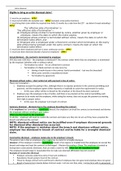
Eligible to bring an unfair dismissal claim?
‘x’ must be an employee – APPLY
‘x’ must not fall within the excluded class – APPLY (excluded: army/police/mariners)
‘x’ must bring their claim within the required time limits (3 months less a day from the EDT – see below if needs extending) –
APPLY
The ‘effective date of termination’ is:
“the effective date of termination”—
(a) Employee whose contract is terminated by notice, whether given by employer or
employee, means the date on which the notice expires,
(b) Employee whose contract is terminated without notice, means the date on which the
termination takes effect, and
(c) Employee who is employed under a fixed term contract which terminates on the expiry
date without being renewed under the same contract, means the date on which the
termination takes effect.
‘x’ must have been employed and have 2 years continuous service – APPLY
‘x’ must have been dismissed (burden of proof on employee) – APPLY
Actual dismissal – the contract is terminated by employer:
S95(1)(a) and s136(1)(a) – the employee is dismissed if ‘the contract under which they are employed…is terminated
by the employer (whether with or without notice).
o Termination by notice – for an unfixed term contract
o Termination of a fixed-contract can only occur by:
Having a break-clause in the contract (early termination) – but was this breached?
Other party commits a repudiatory breach
Termination by agreement.
Dismissal without notice / short notice but with payment in lieu of notice:
There are 2 scenarios’…
1. Employee accepts the paying in lieu, although there is no express provision in the contract permitting such
payment, and the employee agrees either expressly or impliedly to waive the requirement for notice.
o In this case: either will be no breach by the employer or the breach has been waivered
2. Employer pays the employee in lieu of notice, and there is no provision in the contract permitting such
payment to be made and the employee, while taking the money, does not accept the payment as waiving
their right to proper notice.
In this case: the employer is in breach of contract
Summary dismissal – dismissal due to the employee breaching the contract:
If the employee has committed a repudiatory breach, the employer can treat the contract as terminated and dismiss
the employee without needing to give notice.
What was the breach by the employee?
To do this – employer will need to rescind the contract and make sure they do not act as if they have accepted the
breach and affirmed the contract.
NOTE: dismissal without notice can be justified even if employer discovered grounds
for dismissal after dismissal has occurred.
NOTE: If the employer is mistaken about the breach and dismisses without notice,
employer has dismissed in breach of contract and be liable for a wrongful dismissal
claim.
Constructive dismissal – employee resigns due to the employer’s breach:
The general rule is that an employee who resigns has no claim for wrongful dismissal.
However…if the employer commits a repudiatory breach of an express or implied term the employee can accept the
breach and resign and treat the contract as discharged – Western Excavating v Sharp. The employee is treated as
having been constructively dismissed. And can make a claim for WD. What was the repudiatory breach?
The employee should resign in reasonable time to make sure deemed affirmation has not occurred
Examples of constructive dismissal:
Employer seriously undermines duty of trust and confidence
Repudiatory breach going to heart of the contract.
Threat to change contract terms and threat to dismiss if employee does not agree (and employee does not agree)
Breach of express term (paying below minimum wage / not pay over time rates / varying term with no agreement
, Unfair dismissal
Extending the EDT: ONLY DO IF RELEVANT ON THE FACTS!
Employees are entitled to the statutory minimum notice period under s86 ERA
(If an employee has been continuously employed for one month or more = No less than
one week when ‘x’s continuous employment is less than two years).
If the employer attempts to dismiss ‘x’ before they reach 2 years continuous employment,
or dismissed with no notice or less notice than the statutory minimum, ‘x’s EDT will be
extended by the statutory minimum notice period which they should have been entitled to.
Thus, ‘x’ will be eligible to present a claim as this method effectively get the employee
‘over the line’ and within the 2-year threshold.
This can only occur if:
The EDT is extended only by the statutory minimum period – not by anything
contractually longer
The employee was entitled to notice (it does not extend to if a fixed term contract
terminates / if the employer is entitled to dismiss without notice)
A constructively dismissed employee can be entitled to extend the EDT – the
statutory minimum notice period (which should have been due) will start to run from
the date the employee gave notice – s97(4) ERA
The EDT is not extended for purposes of merely extending the time period to be able
to bring an unfair dismissal claim.
Apply if relevant
Section 86 ERA – Minimum notice.
(1) The notice required to be given by an employer to terminate the contract of employment of a person who has
been continuously employed for one month or more—
(a) is not less than one week’s notice if his period of continuous employment is less than two years,
(b) is not less than one week’s notice for each year of continuous employment if his period of continuous
employment is two years or more but less than twelve years, and
(c) is not less than twelve weeks’ notice if his period of continuous employment is twelve years or more.
Reason for dismissal:
The reason for the dismissal must fall under one of the five permitted reasons s98(1) & (2). The burden of proof is on the
employer.
1. Dismissal related to the capability or qualifications of the employee to do the work of the kind
which they were employed to do – s98(2)(a)
2. Dismissal relates to the conduct of the employee -s98(2)(b)
3. Dismissal was related to the employee being made redundant - s98(2)(c)
4. Employee cannot continue to work in their position without contravening statutory provision
(illegality) – s98(2)(d)
5. There was some other substantial reason that could justify the dismissal of an employee
holding the position the employee held – s98(1)(b)
NOTE: if the reason is redundancy, see whether a claim for redundancy also applies
APPLY – state which is relevant and go to that box
S98(2)(a) – Capability and qualifications:
The employer has a fair reason for dismissal if the reason relates to the capability and qualifications of the employee.
Capability – must be capable at the work ‘x’ has been employed to do
Capability – includes incompetence
Capability – includes inability due to illness and injury
Qualifications – must relate to the work ‘x’ was employed to do
Acas Codes:
Acas applies to the capability and qualifications reason
APPLY – how was the dismissal related to s98(2)(a) and does it stand as a fair reason based on the facts?
Eligible to bring an unfair dismissal claim?
‘x’ must be an employee – APPLY
‘x’ must not fall within the excluded class – APPLY (excluded: army/police/mariners)
‘x’ must bring their claim within the required time limits (3 months less a day from the EDT – see below if needs extending) –
APPLY
The ‘effective date of termination’ is:
“the effective date of termination”—
(a) Employee whose contract is terminated by notice, whether given by employer or
employee, means the date on which the notice expires,
(b) Employee whose contract is terminated without notice, means the date on which the
termination takes effect, and
(c) Employee who is employed under a fixed term contract which terminates on the expiry
date without being renewed under the same contract, means the date on which the
termination takes effect.
‘x’ must have been employed and have 2 years continuous service – APPLY
‘x’ must have been dismissed (burden of proof on employee) – APPLY
Actual dismissal – the contract is terminated by employer:
S95(1)(a) and s136(1)(a) – the employee is dismissed if ‘the contract under which they are employed…is terminated
by the employer (whether with or without notice).
o Termination by notice – for an unfixed term contract
o Termination of a fixed-contract can only occur by:
Having a break-clause in the contract (early termination) – but was this breached?
Other party commits a repudiatory breach
Termination by agreement.
Dismissal without notice / short notice but with payment in lieu of notice:
There are 2 scenarios’…
1. Employee accepts the paying in lieu, although there is no express provision in the contract permitting such
payment, and the employee agrees either expressly or impliedly to waive the requirement for notice.
o In this case: either will be no breach by the employer or the breach has been waivered
2. Employer pays the employee in lieu of notice, and there is no provision in the contract permitting such
payment to be made and the employee, while taking the money, does not accept the payment as waiving
their right to proper notice.
In this case: the employer is in breach of contract
Summary dismissal – dismissal due to the employee breaching the contract:
If the employee has committed a repudiatory breach, the employer can treat the contract as terminated and dismiss
the employee without needing to give notice.
What was the breach by the employee?
To do this – employer will need to rescind the contract and make sure they do not act as if they have accepted the
breach and affirmed the contract.
NOTE: dismissal without notice can be justified even if employer discovered grounds
for dismissal after dismissal has occurred.
NOTE: If the employer is mistaken about the breach and dismisses without notice,
employer has dismissed in breach of contract and be liable for a wrongful dismissal
claim.
Constructive dismissal – employee resigns due to the employer’s breach:
The general rule is that an employee who resigns has no claim for wrongful dismissal.
However…if the employer commits a repudiatory breach of an express or implied term the employee can accept the
breach and resign and treat the contract as discharged – Western Excavating v Sharp. The employee is treated as
having been constructively dismissed. And can make a claim for WD. What was the repudiatory breach?
The employee should resign in reasonable time to make sure deemed affirmation has not occurred
Examples of constructive dismissal:
Employer seriously undermines duty of trust and confidence
Repudiatory breach going to heart of the contract.
Threat to change contract terms and threat to dismiss if employee does not agree (and employee does not agree)
Breach of express term (paying below minimum wage / not pay over time rates / varying term with no agreement
, Unfair dismissal
Extending the EDT: ONLY DO IF RELEVANT ON THE FACTS!
Employees are entitled to the statutory minimum notice period under s86 ERA
(If an employee has been continuously employed for one month or more = No less than
one week when ‘x’s continuous employment is less than two years).
If the employer attempts to dismiss ‘x’ before they reach 2 years continuous employment,
or dismissed with no notice or less notice than the statutory minimum, ‘x’s EDT will be
extended by the statutory minimum notice period which they should have been entitled to.
Thus, ‘x’ will be eligible to present a claim as this method effectively get the employee
‘over the line’ and within the 2-year threshold.
This can only occur if:
The EDT is extended only by the statutory minimum period – not by anything
contractually longer
The employee was entitled to notice (it does not extend to if a fixed term contract
terminates / if the employer is entitled to dismiss without notice)
A constructively dismissed employee can be entitled to extend the EDT – the
statutory minimum notice period (which should have been due) will start to run from
the date the employee gave notice – s97(4) ERA
The EDT is not extended for purposes of merely extending the time period to be able
to bring an unfair dismissal claim.
Apply if relevant
Section 86 ERA – Minimum notice.
(1) The notice required to be given by an employer to terminate the contract of employment of a person who has
been continuously employed for one month or more—
(a) is not less than one week’s notice if his period of continuous employment is less than two years,
(b) is not less than one week’s notice for each year of continuous employment if his period of continuous
employment is two years or more but less than twelve years, and
(c) is not less than twelve weeks’ notice if his period of continuous employment is twelve years or more.
Reason for dismissal:
The reason for the dismissal must fall under one of the five permitted reasons s98(1) & (2). The burden of proof is on the
employer.
1. Dismissal related to the capability or qualifications of the employee to do the work of the kind
which they were employed to do – s98(2)(a)
2. Dismissal relates to the conduct of the employee -s98(2)(b)
3. Dismissal was related to the employee being made redundant - s98(2)(c)
4. Employee cannot continue to work in their position without contravening statutory provision
(illegality) – s98(2)(d)
5. There was some other substantial reason that could justify the dismissal of an employee
holding the position the employee held – s98(1)(b)
NOTE: if the reason is redundancy, see whether a claim for redundancy also applies
APPLY – state which is relevant and go to that box
S98(2)(a) – Capability and qualifications:
The employer has a fair reason for dismissal if the reason relates to the capability and qualifications of the employee.
Capability – must be capable at the work ‘x’ has been employed to do
Capability – includes incompetence
Capability – includes inability due to illness and injury
Qualifications – must relate to the work ‘x’ was employed to do
Acas Codes:
Acas applies to the capability and qualifications reason
APPLY – how was the dismissal related to s98(2)(a) and does it stand as a fair reason based on the facts?