What is equity finance: the allotment of shares is referred to a ‘equity finance’. It occurs when the company needs money and
so will issue shares to an individual for money to then use for the business of the company.
NOTE: The allotting of shares is not the same as transferring existing shares which is when an existing shareholder give/sell
shares to another. However, the term ‘issuing shares’ can be used for allotting too – will be in reference to ‘fresh shares’ which
will alert me to use this structure.
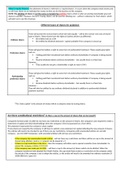
Different types of shares for guidance:
These will just be the normal shares which will rank equally – will be the normal ‘one class of shares’
type of shares. These shares have the rights of (unless articles say different):
Ordinary shares Be entitled vote at a GM
Be entitled to dividends declared / capital available if the company is wound up
These will give the holders a right to some form of preferential treatment. These usually give rights
Preference shares such as:
Getting paid their investment back before ordinary shareholders if company is being wound
up
Receive dividends before ordinary shareholder – but usually there is a fixed rate
However…
They usually do not give a shareholder a right to vote in GM’s
These will give the holders a right to some form of preferential treatment. These usually give rights
Participating such as:
preference shares Getting paid their investment back before ordinary shareholders if company is being wound
up
Receive dividends before ordinary shareholder – but usually there is a fixed rate
However…
They will also be entitled to any ordinary dividend declared in addition to preferential dividend
payment received.
*The ‘share capital’ is the amount of money which a company raises by issuing shares.
Are there constitutional restrictions? (Is there a cap on the amount of shares that can be issued?)
Companies formed under CA 2005 do not have any restrictions on the amount of shares, the company is just required to make a
statement of capital and initial shareholdings when the company is first incorporated on a Form IN01.
This statement represents the company’s share capital.
If new shares are issued by the company, it will have to submit a new statement of capital reflecting the new amount of shares.
The articles will need to be checked to see if there are any restrictions. Companies with unamended articles (or and old
company – pre-Oct 2009 Companies -with amended articles) will not have any restrictions
- If the company has unamended model articles - will not have any restrictions and there will be no cap on the amount of
shares being allotted…(and so ‘x’ amount can be issued to ‘y’)
- If there is a cap/restriction in the MA’s - then the company will either need a special resolution from shareholders to
amend the company articles (s21(1) CA)
- If the company was made pre CA 2005 – will have a cap to the amount of shares which can be allotted. When the
company transferred and adopted the Model Articles, the cap would have acted as a restriction on the company under
the articles if the company is yet to adopt the articles, so the article will need to be amended via ordinary resolution (SI
2008/2860 Sch 2 para 42)
so will issue shares to an individual for money to then use for the business of the company.
NOTE: The allotting of shares is not the same as transferring existing shares which is when an existing shareholder give/sell
shares to another. However, the term ‘issuing shares’ can be used for allotting too – will be in reference to ‘fresh shares’ which
will alert me to use this structure.
Different types of shares for guidance:
These will just be the normal shares which will rank equally – will be the normal ‘one class of shares’
type of shares. These shares have the rights of (unless articles say different):
Ordinary shares Be entitled vote at a GM
Be entitled to dividends declared / capital available if the company is wound up
These will give the holders a right to some form of preferential treatment. These usually give rights
Preference shares such as:
Getting paid their investment back before ordinary shareholders if company is being wound
up
Receive dividends before ordinary shareholder – but usually there is a fixed rate
However…
They usually do not give a shareholder a right to vote in GM’s
These will give the holders a right to some form of preferential treatment. These usually give rights
Participating such as:
preference shares Getting paid their investment back before ordinary shareholders if company is being wound
up
Receive dividends before ordinary shareholder – but usually there is a fixed rate
However…
They will also be entitled to any ordinary dividend declared in addition to preferential dividend
payment received.
*The ‘share capital’ is the amount of money which a company raises by issuing shares.
Are there constitutional restrictions? (Is there a cap on the amount of shares that can be issued?)
Companies formed under CA 2005 do not have any restrictions on the amount of shares, the company is just required to make a
statement of capital and initial shareholdings when the company is first incorporated on a Form IN01.
This statement represents the company’s share capital.
If new shares are issued by the company, it will have to submit a new statement of capital reflecting the new amount of shares.
The articles will need to be checked to see if there are any restrictions. Companies with unamended articles (or and old
company – pre-Oct 2009 Companies -with amended articles) will not have any restrictions
- If the company has unamended model articles - will not have any restrictions and there will be no cap on the amount of
shares being allotted…(and so ‘x’ amount can be issued to ‘y’)
- If there is a cap/restriction in the MA’s - then the company will either need a special resolution from shareholders to
amend the company articles (s21(1) CA)
- If the company was made pre CA 2005 – will have a cap to the amount of shares which can be allotted. When the
company transferred and adopted the Model Articles, the cap would have acted as a restriction on the company under
the articles if the company is yet to adopt the articles, so the article will need to be amended via ordinary resolution (SI
2008/2860 Sch 2 para 42)