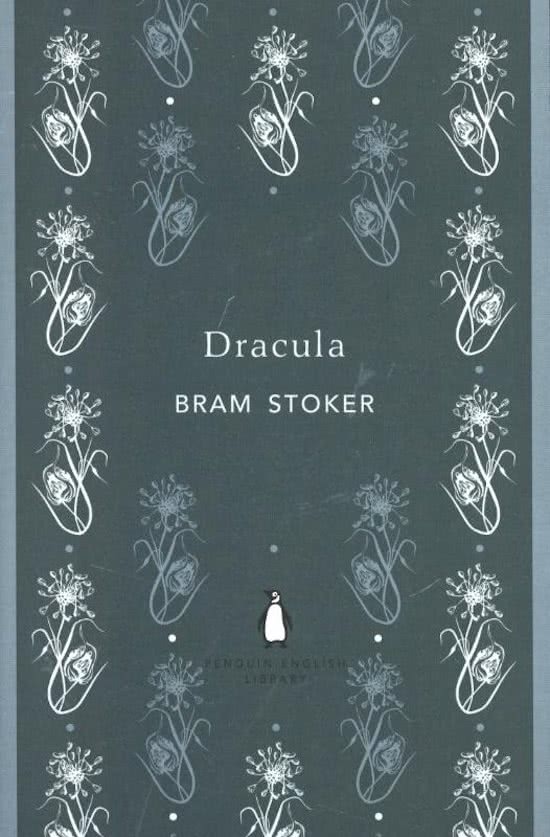
DRACULA 1897
Bram Stoker
- Irish protestant
- Influenced by Celtic tales of vampires, as well as the Gothic vampire
novels which predate “Dracula” such as “The Vampyre” by John William
Polidori
- Stoker spent several years researching European folklore and mytholog-
ical stories of vampires
Frankenstein
- Epistolary style (novel in form of letters/journals)
- Common in early/mid Victorian novels
- Sense of authenticity increases terror
Dracula displays characteristics of a modern novel
- Multiple narratives
- Non-linear timeline (time-skips etc)
- Extracts of different forms/genres (journalistic extracts, telegrams,
ship’s log, doctor’s case notes)
Influence of detective fiction
- Sherlock Holmes “Hound of the Baskervilles” and the escaped wolf in
Dracula
Carol A Senf reads Dracula as a response to the powerful New Woman
Influence of Edgar Allen Poe
- Using cityscapes as Gothic settings rather than remote natural locations
1
Bram Stoker
- Irish protestant
- Influenced by Celtic tales of vampires, as well as the Gothic vampire
novels which predate “Dracula” such as “The Vampyre” by John William
Polidori
- Stoker spent several years researching European folklore and mytholog-
ical stories of vampires
Frankenstein
- Epistolary style (novel in form of letters/journals)
- Common in early/mid Victorian novels
- Sense of authenticity increases terror
Dracula displays characteristics of a modern novel
- Multiple narratives
- Non-linear timeline (time-skips etc)
- Extracts of different forms/genres (journalistic extracts, telegrams,
ship’s log, doctor’s case notes)
Influence of detective fiction
- Sherlock Holmes “Hound of the Baskervilles” and the escaped wolf in
Dracula
Carol A Senf reads Dracula as a response to the powerful New Woman
Influence of Edgar Allen Poe
- Using cityscapes as Gothic settings rather than remote natural locations
1