Unit 4: Laboratory Techniques and Their Application
Making a nail varnish remover
Introduction
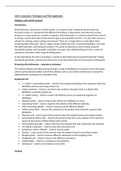
Ethyl ethanoate, also known as ethyl acetate, is an organic ester compound whose molecular
formula is C4H8O2. It is produced with different techniques in laboratories and industries as they
produce it in large scales for cosmetic companies. Ethyl ethanoate is a colourless liquid that is known
as having a fruity odour that is often found in glues and nail polish remover. It is also often used as a
solvent for cleaning, paint coatings and removal. There are 5 stages that are undertaken when
preparing ethyl ethanoate. These 5 stages include making the ester, fractional distillation, removing
the ethyl impurities, and drying the product. The purity of substances can be tested using the
Siwoloboff method, which provides consistent, accurate, and reliable boiling points for a series of
substances that have a wide range of boiling points.
In this experiment, the aim is to prepare a sample of ethyl ethanoate by going through the 5 stages
mentioned previously, and then test the purity of the ethyl ethanoate by measuring its boiling point.
Preparing ethyl ethanoate – Laboratory technique
The method utilized consisted of going through a range of distillations to purify the ethyl ethanoate,
which was the desired product and all the solutions such as any acids or alcohol were removed by
adding different substances to neutralize them.
Equipment List
2 × 100cm3 round bottom flask – Used for the heating and boiling of the substance while the
distillation process was being carried out.
Liebig condenser – Used to cool down and condense the gases back to a liquid while
distillation was being carried out.
2 × rubber tubing – Used to connect the different pieces of equipment together for
distillation
Heating mantle – Used to heat up the mixture for distillation to occur.
Separating funnel – Used to separate the solutions with different densities
20ml measuring cylinder – Used to measure out the different liquids.
100ml conical flask – Used as the container for the product that would be acquired after
distillation.
Ethanoic acid - Used as part of the reactant when the original mixture was being created.
Concentrated sulfuric acid – Used as the chemical that acts as the catalyst in the rection to
speed up the process without being used up itself.
Anti-bumping granules – Used to decrease the pressure that was produced in the chemical.
1M sodium carbonate – Used to react with unreacted acid.
Anhydrous calcium chloride – Used to remove water.
Ethanol – Used as part of the reactant when the original mixture was being created.
Weighing boat – Used to measure different substances on the weighing scale.
Weighing scale – Used to measure the different substances.
100ml beaker – Used as a container to mix solutions.
Stirring rod – Used to stir solutions to mix them.
Method
Making a nail varnish remover
Introduction
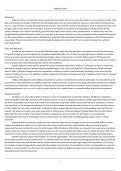
Ethyl ethanoate, also known as ethyl acetate, is an organic ester compound whose molecular
formula is C4H8O2. It is produced with different techniques in laboratories and industries as they
produce it in large scales for cosmetic companies. Ethyl ethanoate is a colourless liquid that is known
as having a fruity odour that is often found in glues and nail polish remover. It is also often used as a
solvent for cleaning, paint coatings and removal. There are 5 stages that are undertaken when
preparing ethyl ethanoate. These 5 stages include making the ester, fractional distillation, removing
the ethyl impurities, and drying the product. The purity of substances can be tested using the
Siwoloboff method, which provides consistent, accurate, and reliable boiling points for a series of
substances that have a wide range of boiling points.
In this experiment, the aim is to prepare a sample of ethyl ethanoate by going through the 5 stages
mentioned previously, and then test the purity of the ethyl ethanoate by measuring its boiling point.
Preparing ethyl ethanoate – Laboratory technique
The method utilized consisted of going through a range of distillations to purify the ethyl ethanoate,
which was the desired product and all the solutions such as any acids or alcohol were removed by
adding different substances to neutralize them.
Equipment List
2 × 100cm3 round bottom flask – Used for the heating and boiling of the substance while the
distillation process was being carried out.
Liebig condenser – Used to cool down and condense the gases back to a liquid while
distillation was being carried out.
2 × rubber tubing – Used to connect the different pieces of equipment together for
distillation
Heating mantle – Used to heat up the mixture for distillation to occur.
Separating funnel – Used to separate the solutions with different densities
20ml measuring cylinder – Used to measure out the different liquids.
100ml conical flask – Used as the container for the product that would be acquired after
distillation.
Ethanoic acid - Used as part of the reactant when the original mixture was being created.
Concentrated sulfuric acid – Used as the chemical that acts as the catalyst in the rection to
speed up the process without being used up itself.
Anti-bumping granules – Used to decrease the pressure that was produced in the chemical.
1M sodium carbonate – Used to react with unreacted acid.
Anhydrous calcium chloride – Used to remove water.
Ethanol – Used as part of the reactant when the original mixture was being created.
Weighing boat – Used to measure different substances on the weighing scale.
Weighing scale – Used to measure the different substances.
100ml beaker – Used as a container to mix solutions.
Stirring rod – Used to stir solutions to mix them.
Method