NP04 – ATP synthesis
Nutrient Requirement
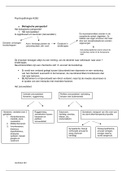
What is used in terms of energy/ nutrients can be material or immaterial support of physiological output
§ To maintain the body (metabolic rate: normal oxidation)
§ Develop, growth, production (= storage)
§ Specific achievements (sports, illness)
§ Quality of life (health, life expectancy)
à These needs to be regulated, but there are some constraints (e.g. metabolic constraint: you can’t increase
indefinitely metabolic rate e.g. if you go in the cold, the metabolic rate will increase, but if the conditions are
too extreme, it’s not possible to increase more). There can be some side effects. And it is dependent on critical
environmental conditions: temperature, oxygen availability…
Immaterial output Material output
Maintenance of (mature) body Growing / producing body
Produce heat, energy (ATP) Storage TG
Input to waste (CO2, urea) Input to product (muscle or fat)
Uses of Different energy sources
Blood contains a variety of energy sources (for the cells)
§ Glucose (for the brain) § Lactic acid
§ Ketone bodies § Amino acids (high levels of certain amino
§ Fatty acids acids can be toxic)
Brain uses glucose as its major source of energy (but can also use ketone bodies, when glucose levels are really
low): blood glucose maintained as many organs spare glucose
Table = relative importance of different
metabolites in blood with respect to the
energy requirements of different organs
Note: brain can’t use lactate nor fatty
acids
• Skeletal muscles use fatty acids as main source of energy during rest, it can also use glucose and
ketone bodies, but not lactate: Fatty acids > ketone bodies/glucose
• Liver use fatty acids as main source of energy, but also ketone, glucose and lactate
Fatty acids > ketone bodies > glucose/lactate
• Liver produces ketone bodies for skeletal muscles and brain, but does not use them: fatty acids main
source of energy, but also ketone, glucose and lactate
• Heart: fatty acids > glucose/ketone bodies/lactate
ATP formation – the condensation of ADP and phosphate
- ATP formation requires input of energy and the enzyme ATPase
- ADP + Pi <-> ATP (33 kJ/mole = total energy trapped in ATP)
- Bond between P and ADP: enzyme ATPase and energy is in the bond between 2nd and 3rd phosphate
- ATP is universal energy carrier of cells (currency)
- ATP: ADP ratio in cell 500:1 à cells have ATP available
Release of Energy
ATP à ADP + Pi + 1 ATP
ADP à AMP + Pi + 1 ATP
ATP à AMP + 2 ATP (used in fatty acid metabolism)
Nutrient Requirement
What is used in terms of energy/ nutrients can be material or immaterial support of physiological output
§ To maintain the body (metabolic rate: normal oxidation)
§ Develop, growth, production (= storage)
§ Specific achievements (sports, illness)
§ Quality of life (health, life expectancy)
à These needs to be regulated, but there are some constraints (e.g. metabolic constraint: you can’t increase
indefinitely metabolic rate e.g. if you go in the cold, the metabolic rate will increase, but if the conditions are
too extreme, it’s not possible to increase more). There can be some side effects. And it is dependent on critical
environmental conditions: temperature, oxygen availability…
Immaterial output Material output
Maintenance of (mature) body Growing / producing body
Produce heat, energy (ATP) Storage TG
Input to waste (CO2, urea) Input to product (muscle or fat)
Uses of Different energy sources
Blood contains a variety of energy sources (for the cells)
§ Glucose (for the brain) § Lactic acid
§ Ketone bodies § Amino acids (high levels of certain amino
§ Fatty acids acids can be toxic)
Brain uses glucose as its major source of energy (but can also use ketone bodies, when glucose levels are really
low): blood glucose maintained as many organs spare glucose
Table = relative importance of different
metabolites in blood with respect to the
energy requirements of different organs
Note: brain can’t use lactate nor fatty
acids
• Skeletal muscles use fatty acids as main source of energy during rest, it can also use glucose and
ketone bodies, but not lactate: Fatty acids > ketone bodies/glucose
• Liver use fatty acids as main source of energy, but also ketone, glucose and lactate
Fatty acids > ketone bodies > glucose/lactate
• Liver produces ketone bodies for skeletal muscles and brain, but does not use them: fatty acids main
source of energy, but also ketone, glucose and lactate
• Heart: fatty acids > glucose/ketone bodies/lactate
ATP formation – the condensation of ADP and phosphate
- ATP formation requires input of energy and the enzyme ATPase
- ADP + Pi <-> ATP (33 kJ/mole = total energy trapped in ATP)
- Bond between P and ADP: enzyme ATPase and energy is in the bond between 2nd and 3rd phosphate
- ATP is universal energy carrier of cells (currency)
- ATP: ADP ratio in cell 500:1 à cells have ATP available
Release of Energy
ATP à ADP + Pi + 1 ATP
ADP à AMP + Pi + 1 ATP
ATP à AMP + 2 ATP (used in fatty acid metabolism)