EQUITY & TRUSTS
REVISION NOTES
1. OVERVIEW OF RESULTING TRUSTS:
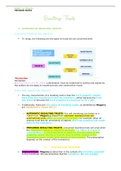
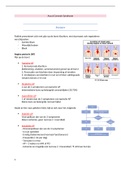
CLASSIFICATION OF ALL TRUSTS:
To recap, the following are the types of trusts we are concerned with:
*Remember :
formalities
(section 53(1) of LPA 1925: a declaration must be evidenced in writing and signed by
the settlor) do not apply to resulting trusts and constructive trusts.
WHAT ARE RESULTING TRUSTS?
The key characteristic of a resulting trust is that the trust property results
back from the transferee to the the transferor, either because the trust
has failed or because the trust property is presumed to be a gift.
Traditionally, there are two types of resulting trusts, as identified by Megarry
J in Vandervell’s Trusts (No 2):
AUTOMATIC RESULTING TRUSTS: this will sometimes be known as a
‘failed trust.’ Megarry J stated that automatic resulting trusts will
automatically arise when an express trust fails. For example, when an
express trust fails for uncertainty of objects, the trust property will result
back to the transferor.
PRESUMED RESULTING TRUSTS: presumed resulting trusts will arise when
the transferor makes a voluntary payment (i.e. there is a lack of
consideration) to the transferee or pays for the purchase of the
property, either wholly or in part, that is either vested in the
transferee alone/ in the joint names of both parties. The presumption
depends on the context of the transaction.
(i) GRATUITIOUS TRANSFER:
PRESUMPTION: Megarry J stated that in the context of a voluntary payment
to the transferee, the law presumes that the transferor did not actually
, EQUITY & TRUSTS
REVISION NOTES
intend to make a gift (of the trust property) to the transferee and
instead, the transferee is holding the property on resulting trust for the
transferor.
REBUTTAL: in Westdeutsche, Lord Browne-Wilkinson stated that this
presumption may be rebutted by direct evidence of the transferor’s
intention to make an outright transfer to the transferee or by the counter-
presumption of advancement.
(ii) JOINT PURCHASE:
PRESUMPTION: Megarry J stated that in the case of a joint purchase by both
parties, the law presumption is that the shares of the trust property are held
in proportion to the parties’ financial contributions to the acquisition of
property.
REBUTTAL: *the rebuttal is the same as has been previously stated
above.
CRITICISMS OF THE RESULTING TRUST CLASSIFICATION:
AUTOMATIC VS. RESULTING TRUSTS:
In Westdeutsche Landesbank v Islington LBC, Lord Browne-Wilkinson,
obiter, considered that both forms of resulting trusts should be considered
to be presumed trusts because both are regarded as trusts that give
effect to the common intention of both parties. With regards to automatic
resulting trusts, there is a presumed intention by the transferor that if
the express trust failed, the trust property would return to him. This
presumption would be rebutted by evidence that the transferor abandoned
any beneficial interest in the property (in this case, the property would pass
to the Crown as bona vacantia, i.e. ownerless property).
However, this dictum can be criticised in itself: common intention is not
significant to the resulting trust, but rather than the common intention
constructive trust; secondly, the only relevant intention is that of the
transferor, rather than both parties; and thirdly, if the intention is presumed,
what exactly did the transferor presume to have intended?
Contrary to Lord Browne-Wilkinson, in Re Vandervell’s Trusts (No. 2),
Megarry VC stated that only presumed resulting trusts are a production of
intention and that automatic resulting trusts take effect by operation of law, not
intention.
PRESUMED RESULTING TRUST PRESUMPTION:
The presumption in joint ownership cases is strict (Mark Pawlowski), as it
is based solely on the quantification of interest based on the parties’ initial
financial contributions and no other factors will be taken into account.
! However, in Lloyds Bank v Rossett, Lord Bridge suggested that post-purchase
contributions that add substantial value to the property (e.g. an extension) could
be looked to.
! However, this can be seen as certain, as the only factor that needs to be considered is
the initial contributions, rather than the entire course of dealing (this is part of the CICT
approach, as established in Stack v Dowden).
REVISION NOTES
1. OVERVIEW OF RESULTING TRUSTS:
CLASSIFICATION OF ALL TRUSTS:
To recap, the following are the types of trusts we are concerned with:
*Remember :
formalities
(section 53(1) of LPA 1925: a declaration must be evidenced in writing and signed by
the settlor) do not apply to resulting trusts and constructive trusts.
WHAT ARE RESULTING TRUSTS?
The key characteristic of a resulting trust is that the trust property results
back from the transferee to the the transferor, either because the trust
has failed or because the trust property is presumed to be a gift.
Traditionally, there are two types of resulting trusts, as identified by Megarry
J in Vandervell’s Trusts (No 2):
AUTOMATIC RESULTING TRUSTS: this will sometimes be known as a
‘failed trust.’ Megarry J stated that automatic resulting trusts will
automatically arise when an express trust fails. For example, when an
express trust fails for uncertainty of objects, the trust property will result
back to the transferor.
PRESUMED RESULTING TRUSTS: presumed resulting trusts will arise when
the transferor makes a voluntary payment (i.e. there is a lack of
consideration) to the transferee or pays for the purchase of the
property, either wholly or in part, that is either vested in the
transferee alone/ in the joint names of both parties. The presumption
depends on the context of the transaction.
(i) GRATUITIOUS TRANSFER:
PRESUMPTION: Megarry J stated that in the context of a voluntary payment
to the transferee, the law presumes that the transferor did not actually
, EQUITY & TRUSTS
REVISION NOTES
intend to make a gift (of the trust property) to the transferee and
instead, the transferee is holding the property on resulting trust for the
transferor.
REBUTTAL: in Westdeutsche, Lord Browne-Wilkinson stated that this
presumption may be rebutted by direct evidence of the transferor’s
intention to make an outright transfer to the transferee or by the counter-
presumption of advancement.
(ii) JOINT PURCHASE:
PRESUMPTION: Megarry J stated that in the case of a joint purchase by both
parties, the law presumption is that the shares of the trust property are held
in proportion to the parties’ financial contributions to the acquisition of
property.
REBUTTAL: *the rebuttal is the same as has been previously stated
above.
CRITICISMS OF THE RESULTING TRUST CLASSIFICATION:
AUTOMATIC VS. RESULTING TRUSTS:
In Westdeutsche Landesbank v Islington LBC, Lord Browne-Wilkinson,
obiter, considered that both forms of resulting trusts should be considered
to be presumed trusts because both are regarded as trusts that give
effect to the common intention of both parties. With regards to automatic
resulting trusts, there is a presumed intention by the transferor that if
the express trust failed, the trust property would return to him. This
presumption would be rebutted by evidence that the transferor abandoned
any beneficial interest in the property (in this case, the property would pass
to the Crown as bona vacantia, i.e. ownerless property).
However, this dictum can be criticised in itself: common intention is not
significant to the resulting trust, but rather than the common intention
constructive trust; secondly, the only relevant intention is that of the
transferor, rather than both parties; and thirdly, if the intention is presumed,
what exactly did the transferor presume to have intended?
Contrary to Lord Browne-Wilkinson, in Re Vandervell’s Trusts (No. 2),
Megarry VC stated that only presumed resulting trusts are a production of
intention and that automatic resulting trusts take effect by operation of law, not
intention.
PRESUMED RESULTING TRUST PRESUMPTION:
The presumption in joint ownership cases is strict (Mark Pawlowski), as it
is based solely on the quantification of interest based on the parties’ initial
financial contributions and no other factors will be taken into account.
! However, in Lloyds Bank v Rossett, Lord Bridge suggested that post-purchase
contributions that add substantial value to the property (e.g. an extension) could
be looked to.
! However, this can be seen as certain, as the only factor that needs to be considered is
the initial contributions, rather than the entire course of dealing (this is part of the CICT
approach, as established in Stack v Dowden).