Notes:
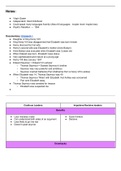
● Virgin Queen
● Independent/ Hard Childhood
● Could speak many languages fluently (About 6 languages - maybe more/ maybe less)
● Wyatt’s Rebellion → 1554
Documentary: Elizabeth 1
● Daughter of King Henry VIII
● King Henry VIII was disappointed that Elizabeth was born female
● Henry divorced his first wife
● Henry’s second wife was Elizabeth’s mother (Anne Boleyn)
● Anne Boleyn was executed when Elizabeth was 3 years old
● When Edward was born, Elizabeth loses status
● Very sophisticated and mature at a young age
● Henry VIII dies January 1547
● Edward Seymour = Edward VI’s advisor
○ Thomas Seymour = Edward Seymour’s brother
○ Seymour was very powerful and ambitious
○ Seymour married Katherine Parr (Katherine Parr is Henry VIII’s widow)
● When Elizabeth was 14, Thomas Seymour was 40
○ Thomas Seymour ‘flirted’ with Elizabeth. Kat Ashley was concerned
○ Parr sent Elizabeth away
● Thomas Seymour was arrested for treason
○ Elizabeth was suspected too
●
Cautious Leaders Impulsive/Decisive leaders
Benefits
● Less mistakes made ● Quick thinkers
● Can understand both sides of an argument ● Decisive
● Less likely to go into war
● Doesn’t upset anyone
Drawbacks
, ● Easier to manipulate ● Irritational
● Slower to make decisions ● Don’t consider all information
● Vulnerable to mistakes
Extract from a letter by Roger Ascham, Elizabeth’s tutor, in 1550
My illustrious mistress, the Lady Elizabeth, shines like a star. So much solidity of understanding, such
courtesy and dignity, which I have never observed at so early an age. She hath the most ardent love
of the true religion and the best kind of literature. Her mind is free from female weakness and she is
endued [blessed] with a masculine power for hard work. No memory is more retentive than hers.
● Shines like a star → Charming
● Solidity of understanding → Smart, Good memory
● Ardent love of the true religion → Very religious
● Literature → Enjoys reading
● Masculine power → Hard worker
● Courtesy and dignity → Good manners, Mature
The Royal Court
● It was mobile (not based in one place)
● Made up of the Queen’s household (500 people; including nobles, advisors/privy council, officials and
servants)
● People at court were called ‘courtiers’ → competed for power and influence
● Elizabeth didn’t build any palaces during her reign because of the weak economy
● 5 P’s OF POLITICS:
○ Parliament
○ Privy council
○ Progrosses → Opulent, extravagant
○ Patronage → Birth of capitalism
■ Sponsorship
■ Elizabeth brought wealth to men in important jobs (These men then showed respect and
loyalty to Elizabeth)
○ Performance/Propaganda (‘Cult of personality’ and ‘gloriana’)
■ Was in a position of weakness at the time because of her gender
■ Tried to make herself appear superhuman
Privy Council:
● A group of men
● Coordinated various different departments (Law, Star chamber, Council of the North)
● They met almost daily, but Elizabeth did not always attend
● Elizabeth trusted the Privy Council but monitored them closely
● Elizabeth not obliged to take their advice - often disagreed just to make a point
● They were skillful in parliament
● 1601: Essex’s Rebellion
● Virgin Queen
● Independent/ Hard Childhood
● Could speak many languages fluently (About 6 languages - maybe more/ maybe less)
● Wyatt’s Rebellion → 1554
Documentary: Elizabeth 1
● Daughter of King Henry VIII
● King Henry VIII was disappointed that Elizabeth was born female
● Henry divorced his first wife
● Henry’s second wife was Elizabeth’s mother (Anne Boleyn)
● Anne Boleyn was executed when Elizabeth was 3 years old
● When Edward was born, Elizabeth loses status
● Very sophisticated and mature at a young age
● Henry VIII dies January 1547
● Edward Seymour = Edward VI’s advisor
○ Thomas Seymour = Edward Seymour’s brother
○ Seymour was very powerful and ambitious
○ Seymour married Katherine Parr (Katherine Parr is Henry VIII’s widow)
● When Elizabeth was 14, Thomas Seymour was 40
○ Thomas Seymour ‘flirted’ with Elizabeth. Kat Ashley was concerned
○ Parr sent Elizabeth away
● Thomas Seymour was arrested for treason
○ Elizabeth was suspected too
●
Cautious Leaders Impulsive/Decisive leaders
Benefits
● Less mistakes made ● Quick thinkers
● Can understand both sides of an argument ● Decisive
● Less likely to go into war
● Doesn’t upset anyone
Drawbacks
, ● Easier to manipulate ● Irritational
● Slower to make decisions ● Don’t consider all information
● Vulnerable to mistakes
Extract from a letter by Roger Ascham, Elizabeth’s tutor, in 1550
My illustrious mistress, the Lady Elizabeth, shines like a star. So much solidity of understanding, such
courtesy and dignity, which I have never observed at so early an age. She hath the most ardent love
of the true religion and the best kind of literature. Her mind is free from female weakness and she is
endued [blessed] with a masculine power for hard work. No memory is more retentive than hers.
● Shines like a star → Charming
● Solidity of understanding → Smart, Good memory
● Ardent love of the true religion → Very religious
● Literature → Enjoys reading
● Masculine power → Hard worker
● Courtesy and dignity → Good manners, Mature
The Royal Court
● It was mobile (not based in one place)
● Made up of the Queen’s household (500 people; including nobles, advisors/privy council, officials and
servants)
● People at court were called ‘courtiers’ → competed for power and influence
● Elizabeth didn’t build any palaces during her reign because of the weak economy
● 5 P’s OF POLITICS:
○ Parliament
○ Privy council
○ Progrosses → Opulent, extravagant
○ Patronage → Birth of capitalism
■ Sponsorship
■ Elizabeth brought wealth to men in important jobs (These men then showed respect and
loyalty to Elizabeth)
○ Performance/Propaganda (‘Cult of personality’ and ‘gloriana’)
■ Was in a position of weakness at the time because of her gender
■ Tried to make herself appear superhuman
Privy Council:
● A group of men
● Coordinated various different departments (Law, Star chamber, Council of the North)
● They met almost daily, but Elizabeth did not always attend
● Elizabeth trusted the Privy Council but monitored them closely
● Elizabeth not obliged to take their advice - often disagreed just to make a point
● They were skillful in parliament
● 1601: Essex’s Rebellion