Meteorology notes for atpl students EASA
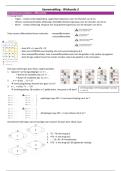
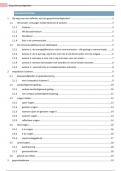
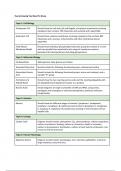
METEOROLOGY • Composition, extent, vertical division Atmosphere 78% nitrogen 21% oxygen 0.9% other gases (carbon dioxide, argon) Lowest layer is tropopause Is split up into layer according the vertical temperature profile Most important constituent in the atmosphere is water vapour Majority of the air is founded in troposphere Tropopause That area where the temperature change doesn’t exceed two-thirds of one degree Celsius per thousand foot increase in altitude over a range of 6000 ft According to ISA tropopause temperature of -56.5°C and average height is 11km Troposphere contains more than 90% of all water vapour and is the part of the atmosphere below the tropopause that concerns most of the aviators Height and temperature over the equator is 16km and -75°C Indication about height in the tropics is not essential for flight documentation because tropopause is generally well above the flight level actually flown Warm surface – large mixing – high tropopause Cold surface – small mixing – low tropopause During summer from Azores to Bermuda, the mean height is 47000 ft During January from Recife to Dakar the mean height is 56000 ft During winter North Atlantic area north of 60°N, the mean height is 29000 ft Tropical tropopause is 54000 ft and -75°C Average seasonal tropopause height : latitude 55°N: FL250 in winter, FL350 in summer Tropopause breaks is important for aviation because the cores of jet streams can be located near these breaks. (Large changes in height, pressure and temperature within a short distance) *temperature above tropopause is always constant Stratopause Typical height is 50km Layer normally stable and has few clouds In mid-latitudes extends on an average from 11 to 50km Majority of the ozone contained • Air Temperature The processes that contribute the most to atmospheric warming are Convection: air that has been heated by conduction process at the surface will become less dense (higher temperature = lower density) so air will rise heating the higher levels Condensation: as the result of convection, warm air rises, when rising gets colder (adiabatic process) and warms the atmosphere Two most important methods for the transfer of heat from surface to higher level of the troposphere are Formation of convective clouds Long-wave radiation (primary heating source) (outgoing from Earth) Temperature measured in Celsius. Kelvin = °C + 273 Solar radiation: One part is absorbed in the ozone layer , another part is reflected by clouds and the surface of the earth, the major part is absorbed by the surface Primary change in Earths weather is variation of solar energy at the Earth’s surface Inversion: when the temperature increase with an increase in altitude can occur during nocturnal radiation and could- free nights in winter when the ground is dry Commonly located at the stratosphere Indicates a state of the atmosphere which is absolutely stable Descending, the thrust most likely increase Valley inversion: over night, cool dense air as a result of radiation cooling will descend along the mountain slopes into the basin and lead to the development of a valley inversion Insolation: Earth heating by solar radiation, reaches the maximum at local noon and reaches the minimum half an hour after sunrise Maximum temperature during day occurs approximately 2hours after local noon Water has a higher specific heat than land that is why land surfaces heat and cool more quickly Isothermal layer: temperature remains constant with height Diurnal range of temperature is least in tropical countries (because tropical countries have higher humidity. Therefore, diurnal range of temperature is the least). Greatest annual range temperature will be found over large land masses Diurnal variation in temperature is largest when sky is clear and wind is weak Temperature variation during 24hours is least over sea and greatest in a desert area Concrete has not lower specific heat than grass Amount of sun’s heat absorbed by Earth depends on Sun elevation and duration of the insolation Advection is a horizontal motion of air Radiation: the heat of the Earth is transferred upwards and leaves the atmosphere
Written for
- Institution
- ATPL intergraded
- Module
- ATPL intergraded
Document information
- Uploaded on
- September 30, 2022
- Number of pages
- 72
- Written in
- 2022/2023
- Type
- Lecture notes
- Professor(s)
- Prof
- Contains
- All classes
Subjects
-
meteorology
-
the atmosphere
-
• composition
-
extent
-
vertical division
-
meteorology notes for atpl students easa
-
atmosphere 78 nitrogen 21 oxygen 09 other gases carbon dioxide
-
argon lowest laye