Unit 5, Task 2 Resub
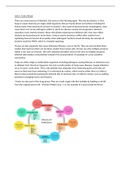
There are many sources of infection, the source is the infecting agent. This may be bacteria, a virus,
fungi or yeasts. Bacteria are single celled organisms that are found almost everywhere including the
human body. Most bacteria do no harm to human’s, but a type of bacteria known as pathogenic, does
cause harm as it carries pathogens within it, which are disease causing microorganisms. Bacteria
reproduce every twenty minutes; these cells divide producing two identical cells. Over two million
bacteria can be produced in seven hours, rising to nearly seventeen million after another hour,
explaining how we become ill so quickly when pathogenic bacteria invade the body. An example of
bacteria would be MRSA, which is a hospital superbug.
Viruses are tiny organisms that cause infectious illnesses, such as the flu. They are one hundred times
smaller than bacteria which are ten times smaller than human cells. Viruses can only multiply and grow
within a cell, such as a human. The cell is attacked and taken over for the virus to multiply and grow.
Infected cells produce viral particles instead of its usual products. An example of a virus would be
coronavirus.
Fungi are either single or multicellular organisms including pathogens causing illnesses or infections such
as athletes’ foot, thrush or ringworm, but only a small number of fungi cause illnesses. Fungal infections
occur in warm, moist areas. This is why athletes foot originates from swimming pools as the feet are
warm as they have been swimming. It is contracted by contact, which may be either direct or indirect.
Direct contact would be touching the infected skin of someone else, or indirect contact, such as walking
barefoot in changing rooms and showers.
“Yeasts are also part of the fungi group. They are small, single cells that multiply by building a cell off
from the original parent cell.” (Ferreiro Peteiro et al., n.d.) An example of a yeast would be thrush.
There are many sources of infection, the source is the infecting agent. This may be bacteria, a virus,
fungi or yeasts. Bacteria are single celled organisms that are found almost everywhere including the
human body. Most bacteria do no harm to human’s, but a type of bacteria known as pathogenic, does
cause harm as it carries pathogens within it, which are disease causing microorganisms. Bacteria
reproduce every twenty minutes; these cells divide producing two identical cells. Over two million
bacteria can be produced in seven hours, rising to nearly seventeen million after another hour,
explaining how we become ill so quickly when pathogenic bacteria invade the body. An example of
bacteria would be MRSA, which is a hospital superbug.
Viruses are tiny organisms that cause infectious illnesses, such as the flu. They are one hundred times
smaller than bacteria which are ten times smaller than human cells. Viruses can only multiply and grow
within a cell, such as a human. The cell is attacked and taken over for the virus to multiply and grow.
Infected cells produce viral particles instead of its usual products. An example of a virus would be
coronavirus.
Fungi are either single or multicellular organisms including pathogens causing illnesses or infections such
as athletes’ foot, thrush or ringworm, but only a small number of fungi cause illnesses. Fungal infections
occur in warm, moist areas. This is why athletes foot originates from swimming pools as the feet are
warm as they have been swimming. It is contracted by contact, which may be either direct or indirect.
Direct contact would be touching the infected skin of someone else, or indirect contact, such as walking
barefoot in changing rooms and showers.
“Yeasts are also part of the fungi group. They are small, single cells that multiply by building a cell off
from the original parent cell.” (Ferreiro Peteiro et al., n.d.) An example of a yeast would be thrush.