SULA
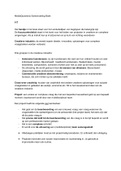
● The novel is of two girls coming of age, who often seem to complete each other
in opposition. As the two girls reach maturity, the differences in the girls'
responses to pressure to conform to the norms of their community separate
them and split their bond.
● It is a novel which examines the priorities which determine the character,
quality and relationships of a woman’s lifetime.
● The difference in their dreams distinguish their girls; while Nel imagines
herself with someone who treats her as a princess, Sula imagines someone
observing her as she rides off in the sunset.
● They share the secret of Chicken Little’s death and is one of the key moments
that the girls experience as they move from childhood to adulthood.
● Sula eventually becomes the embodiment of evil in the town of Bottom,
making others feel superior by comparison. Sula is misunderstood as she is a
woman who is sexually, psychologically and culturally liberated in a time and
space where there is no place for a free woman. She does not need the
traditional labels of wife, mother etc. to define herself.
● Sula is an embodiment of all that the community fears: change, difference and
themselves.
Critical Commentary
● Traditional definitions: applied to various oppositions such as good/bad and
valuable/worthless.
● The novel addresses the question of the accuracy of traditional, socially agreed
upon definitions.
● Sula lives in a house dominated by women; and she experiences life as a
chaotic mix of random and eccentric designs. Sula becomes a bold person but
she is uncertain about whether she is loved and about expressing her affection
for others.
● Nel instead lives in an orderly and clean home; her mothers obsession with
ensuring perfection causes her daughter to feel inadequate and insecure. Nel
internalises an idealised notion of love, believing that she will be rescued from
the tyranny of her mother.
● The friendship of the two girls brings into question the central issue of the
novel: who is right or not. Nel’s last name ‘Wright’ suggests that she is. Nel
and the rest of the community believe that this is how it is.
● They draw from each others strengths and supplement each other in a way that
their weaknesses are less significant.
● The novel is of two girls coming of age, who often seem to complete each other
in opposition. As the two girls reach maturity, the differences in the girls'
responses to pressure to conform to the norms of their community separate
them and split their bond.
● It is a novel which examines the priorities which determine the character,
quality and relationships of a woman’s lifetime.
● The difference in their dreams distinguish their girls; while Nel imagines
herself with someone who treats her as a princess, Sula imagines someone
observing her as she rides off in the sunset.
● They share the secret of Chicken Little’s death and is one of the key moments
that the girls experience as they move from childhood to adulthood.
● Sula eventually becomes the embodiment of evil in the town of Bottom,
making others feel superior by comparison. Sula is misunderstood as she is a
woman who is sexually, psychologically and culturally liberated in a time and
space where there is no place for a free woman. She does not need the
traditional labels of wife, mother etc. to define herself.
● Sula is an embodiment of all that the community fears: change, difference and
themselves.
Critical Commentary
● Traditional definitions: applied to various oppositions such as good/bad and
valuable/worthless.
● The novel addresses the question of the accuracy of traditional, socially agreed
upon definitions.
● Sula lives in a house dominated by women; and she experiences life as a
chaotic mix of random and eccentric designs. Sula becomes a bold person but
she is uncertain about whether she is loved and about expressing her affection
for others.
● Nel instead lives in an orderly and clean home; her mothers obsession with
ensuring perfection causes her daughter to feel inadequate and insecure. Nel
internalises an idealised notion of love, believing that she will be rescued from
the tyranny of her mother.
● The friendship of the two girls brings into question the central issue of the
novel: who is right or not. Nel’s last name ‘Wright’ suggests that she is. Nel
and the rest of the community believe that this is how it is.
● They draw from each others strengths and supplement each other in a way that
their weaknesses are less significant.