In what ways and to what extent did mass popular culture affect British society 1918-79?
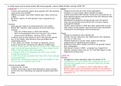
1918-45 Music
- Cinema and spectator sports were popular with the working- - Integral to the lives of much of the population
class by the end of WW1 - Changes in music tastes reflect lifestyle changes
- Middle and upper class often looked upon mass culture as - Closely associated with fashion trends and consumerism as
vulgar Brits selected genres and performers they felt reflected their
- By 1979, cinema, TV and popular music enjoyed by all lives and aspirations
classes - Maintained its appeal to all age groups over the period
- Inter-war period saw dance bands and crooners singing
Cinema sentimental ballads
- Most popular medium of entertainment in the 1920s - 20,000 dance bands in 1930 who often performed at local
- British film industry under pressure from the American halls where young people could meet and were sometimes
industry criticised for encouraging immoral behaviour
o Only 5% of films show in 1925 were British
o 1927 Cinematograph Films Act ensured 7.5% of films Radio
shown had to be British, rising to 20% in 1935 - Played an important role in British life
- Cinemas seen as dirty places to go in the post-war period - Growth of mass radio from the 1920s due to the relatively
but, in the 1920s, they became more gentrified and low cost of radio sets
respectable places - Allowed listeners to access news, drama and advice
- In the 1920s and 1930s, hundreds of elaborate picture programmes on gardening and cooking
palaces were built, attracting the affluent middle-class - Delivered news more rapidly and with a far greater impact
- Cinema tickets grew in the post-war slump of the 1920s and than newspapers
again during the great depression, e.g. in the 1930s, 18-19 - Maintained morale in WW2 – programmes ranged from
million cinema tickets were sold weekly popular comedy shows such as ‘It’s That Man Again’ to the
- In Glasgow, 80% of unemployed saw a film once a week respected evening news
during the depression
- In 1937-39, cinema provided more than 50% of tax revenues 1945-79
on entertainment Cinema
- Offered the unemployed escapism from the realities of real - Struggled to retain popularity after the advent of TV
life, became an important part of life - Development of social realism films featuring the lives of
working-class people such as Saturday Night and Sunday
Cinema during WW2 Morning (1960)
- Important for morale - Audiences fell – 1.4 million in 1947 to 800,000 by 1959
- Initially, there was a short-lived attempt to close cinemas - British cinema went into temporary decline in the 1970s as
due to the risk of bombing, but popular demand kept them the industry’s most talented personnel moved to the USA or
open working in TV
1918-45 Music
- Cinema and spectator sports were popular with the working- - Integral to the lives of much of the population
class by the end of WW1 - Changes in music tastes reflect lifestyle changes
- Middle and upper class often looked upon mass culture as - Closely associated with fashion trends and consumerism as
vulgar Brits selected genres and performers they felt reflected their
- By 1979, cinema, TV and popular music enjoyed by all lives and aspirations
classes - Maintained its appeal to all age groups over the period
- Inter-war period saw dance bands and crooners singing
Cinema sentimental ballads
- Most popular medium of entertainment in the 1920s - 20,000 dance bands in 1930 who often performed at local
- British film industry under pressure from the American halls where young people could meet and were sometimes
industry criticised for encouraging immoral behaviour
o Only 5% of films show in 1925 were British
o 1927 Cinematograph Films Act ensured 7.5% of films Radio
shown had to be British, rising to 20% in 1935 - Played an important role in British life
- Cinemas seen as dirty places to go in the post-war period - Growth of mass radio from the 1920s due to the relatively
but, in the 1920s, they became more gentrified and low cost of radio sets
respectable places - Allowed listeners to access news, drama and advice
- In the 1920s and 1930s, hundreds of elaborate picture programmes on gardening and cooking
palaces were built, attracting the affluent middle-class - Delivered news more rapidly and with a far greater impact
- Cinema tickets grew in the post-war slump of the 1920s and than newspapers
again during the great depression, e.g. in the 1930s, 18-19 - Maintained morale in WW2 – programmes ranged from
million cinema tickets were sold weekly popular comedy shows such as ‘It’s That Man Again’ to the
- In Glasgow, 80% of unemployed saw a film once a week respected evening news
during the depression
- In 1937-39, cinema provided more than 50% of tax revenues 1945-79
on entertainment Cinema
- Offered the unemployed escapism from the realities of real - Struggled to retain popularity after the advent of TV
life, became an important part of life - Development of social realism films featuring the lives of
working-class people such as Saturday Night and Sunday
Cinema during WW2 Morning (1960)
- Important for morale - Audiences fell – 1.4 million in 1947 to 800,000 by 1959
- Initially, there was a short-lived attempt to close cinemas - British cinema went into temporary decline in the 1970s as
due to the risk of bombing, but popular demand kept them the industry’s most talented personnel moved to the USA or
open working in TV