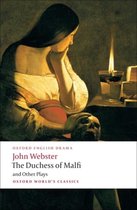
Forbidden tastes are the sweetest.
plan :
P1 forbidden marriages - antonio and the duchess vs nell/ maude clare and thomas - the
relationship between maude clare and thomas may have been a loving match but would not
have been appropriate and therefore is forbidden.the pairing between nell and thomas is the
opposite of forbidden - it is encouraged. Antonio and duchess forbidden by her brothers but
also class made their love difficult to comprehend for a jacobean audience
P2 - forbidden corruption of relgious values sex outside marriage, affairs -- soeur louise ,
cardinal and julia
P3 - forbidden incestuous sexual desires- goblin market liizee and laura, tis pity , ferdinand
and the duchess
Ao5 - 2014 arterton - ferdinand kisses the duchess
Forbidden tastes are forbidden for a reason. This is the message that both Rossetti and
Webster portray in their respective works. This essay will focus on the poems Maude Clare,
Soeur Louise and Goblin Market by Christina Rossetti in comparison to Webster’s The
Duchess of Malfi. Despite their differing contexts and influences of the texts, forbidden love,
relationships and lust is a factor that remains the same in both writer’s works. The texts
discuss forbidden marriages, forbidden sex and desires and how these actions subsequently
cause their individual downfalls.
The importance of abiding by the conventions of marriage are detailed in both Webster’s
The Duchess of Malfi and Rossetti’s Maude Clare. It is made most clear through the
relationship of the Duchess and Antonio and through the comparisons made by Rossetti
about Nell and Maude Clare. The idea that marriages in the Jacobean period are solely
practical alliances is contradicted by the Duchess when she says ‘ I do appear to you a
young widow that claims you for her husband’. By referring to herself as a ‘young widow’,
she is disregarding her social status as Duchess and comparing herself to all young widows
- fully autonomous and in control of themselves. Widows were in control of their own life and
property. This is ironic as the Duchess, despite her widow status, is still under the watchful
eye of her brothers who forbid the Duchess, a ‘lusty widow’ , to remarry. Roider stated that
the Duchess acts as a ‘cautionary tale’ that shows ‘ what can happen when women marry
without being granted the proper consent’. The forbidden nature of the marriage from the
start is what ultimately leads to the downfall of it. The Duchess’ direct disobeying of her
brother’s by remarrying when she says she will ‘never’ do so, invokes anger in Ferdinand
and causes the revenge plot. The Duchess’ character is likely to have been based on the life
of Lady Arbella Stuart who in 1589, similarly to the Duchess, entered a secret , ill fated
marriage with a man socially inferior to her but that she loved. Lady Arbella Stuart and the
Duchess’ secret marriages reinforce the idea that their subsequent unions were forbidden.
This links to Rossetti's Maude Clare where society has deemed who Thomas should marry
based on practicality and social status rather than love. The poem on many occasions
suggests that it is Maude Clare who Thomas loves, not Nell. The quote 'I'll love him till he
loves me best, me best of all Maude Clare’. This quote shows how even Nell is aware that
Thomas does not love her ‘best’ but it is most practical for the two of them to marry. Rossetti
plan :
P1 forbidden marriages - antonio and the duchess vs nell/ maude clare and thomas - the
relationship between maude clare and thomas may have been a loving match but would not
have been appropriate and therefore is forbidden.the pairing between nell and thomas is the
opposite of forbidden - it is encouraged. Antonio and duchess forbidden by her brothers but
also class made their love difficult to comprehend for a jacobean audience
P2 - forbidden corruption of relgious values sex outside marriage, affairs -- soeur louise ,
cardinal and julia
P3 - forbidden incestuous sexual desires- goblin market liizee and laura, tis pity , ferdinand
and the duchess
Ao5 - 2014 arterton - ferdinand kisses the duchess
Forbidden tastes are forbidden for a reason. This is the message that both Rossetti and
Webster portray in their respective works. This essay will focus on the poems Maude Clare,
Soeur Louise and Goblin Market by Christina Rossetti in comparison to Webster’s The
Duchess of Malfi. Despite their differing contexts and influences of the texts, forbidden love,
relationships and lust is a factor that remains the same in both writer’s works. The texts
discuss forbidden marriages, forbidden sex and desires and how these actions subsequently
cause their individual downfalls.
The importance of abiding by the conventions of marriage are detailed in both Webster’s
The Duchess of Malfi and Rossetti’s Maude Clare. It is made most clear through the
relationship of the Duchess and Antonio and through the comparisons made by Rossetti
about Nell and Maude Clare. The idea that marriages in the Jacobean period are solely
practical alliances is contradicted by the Duchess when she says ‘ I do appear to you a
young widow that claims you for her husband’. By referring to herself as a ‘young widow’,
she is disregarding her social status as Duchess and comparing herself to all young widows
- fully autonomous and in control of themselves. Widows were in control of their own life and
property. This is ironic as the Duchess, despite her widow status, is still under the watchful
eye of her brothers who forbid the Duchess, a ‘lusty widow’ , to remarry. Roider stated that
the Duchess acts as a ‘cautionary tale’ that shows ‘ what can happen when women marry
without being granted the proper consent’. The forbidden nature of the marriage from the
start is what ultimately leads to the downfall of it. The Duchess’ direct disobeying of her
brother’s by remarrying when she says she will ‘never’ do so, invokes anger in Ferdinand
and causes the revenge plot. The Duchess’ character is likely to have been based on the life
of Lady Arbella Stuart who in 1589, similarly to the Duchess, entered a secret , ill fated
marriage with a man socially inferior to her but that she loved. Lady Arbella Stuart and the
Duchess’ secret marriages reinforce the idea that their subsequent unions were forbidden.
This links to Rossetti's Maude Clare where society has deemed who Thomas should marry
based on practicality and social status rather than love. The poem on many occasions
suggests that it is Maude Clare who Thomas loves, not Nell. The quote 'I'll love him till he
loves me best, me best of all Maude Clare’. This quote shows how even Nell is aware that
Thomas does not love her ‘best’ but it is most practical for the two of them to marry. Rossetti