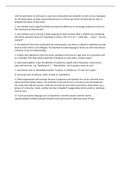
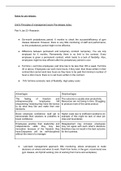
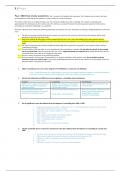
1Ask for permission to interrupt in a way that is both polite and respectful as well as clear. Apologise
for the interruption, perhaps using hand gestures or a phrase previously touched upon in class to
designate the pause of discussion
2. Use activities such as gap fill activities and spot the difference to encourage students to work out
the meaning of words/concepts
3. Use methods such as miming or body language to elicit meaning. After a student says something,
ask further questions about it if something is unclear. Ask ‘is it X or Y’, ‘what does … mean?’, ‘are you
saying X?’
4. Ask students if they have understood the task/question, ask them to repeat the objective/concept
back to ensure there is no ambiguity. Pay attention to body language & facial cues that may indicate
confusion or lack of understanding
5. Outline clear objectives in the first lesson, perhaps in the form of a sign stuck on a classroom wall
as a reminder, that state what is expected of students e.g. late policy, mutual respect.
6. Clap hands together to get the attention of students & signify end of discussion. Link previous
topic with next one, e.g. “Speaking of X…”. Alternatively, “we’re going to move on now”
7. Use phrases such as “Absolutely/exactly!” to agree, or politely say “I’m not sure I agree”
8. Use words such as whereas, while, in spite of, nonetheless
9. Likely inappropriate with younger learners & beginner level students but can be used with more
advanced/intermediate classes. Use examples of sarcasm/irony in a sentence and overemphasise
the words that indicate sarcasm; could also use pictures and make up sentences about them, e.g. a
picture of a rainy day: ‘great, another nice day in England!’ exaggerating certain words or rise/lower
tone of voice
10. Teach persuasive language such as hyperbole or emotive speech and then devise
roleplay/debate activities whereby students must put forward a particular point of view.
for the interruption, perhaps using hand gestures or a phrase previously touched upon in class to
designate the pause of discussion
2. Use activities such as gap fill activities and spot the difference to encourage students to work out
the meaning of words/concepts
3. Use methods such as miming or body language to elicit meaning. After a student says something,
ask further questions about it if something is unclear. Ask ‘is it X or Y’, ‘what does … mean?’, ‘are you
saying X?’
4. Ask students if they have understood the task/question, ask them to repeat the objective/concept
back to ensure there is no ambiguity. Pay attention to body language & facial cues that may indicate
confusion or lack of understanding
5. Outline clear objectives in the first lesson, perhaps in the form of a sign stuck on a classroom wall
as a reminder, that state what is expected of students e.g. late policy, mutual respect.
6. Clap hands together to get the attention of students & signify end of discussion. Link previous
topic with next one, e.g. “Speaking of X…”. Alternatively, “we’re going to move on now”
7. Use phrases such as “Absolutely/exactly!” to agree, or politely say “I’m not sure I agree”
8. Use words such as whereas, while, in spite of, nonetheless
9. Likely inappropriate with younger learners & beginner level students but can be used with more
advanced/intermediate classes. Use examples of sarcasm/irony in a sentence and overemphasise
the words that indicate sarcasm; could also use pictures and make up sentences about them, e.g. a
picture of a rainy day: ‘great, another nice day in England!’ exaggerating certain words or rise/lower
tone of voice
10. Teach persuasive language such as hyperbole or emotive speech and then devise
roleplay/debate activities whereby students must put forward a particular point of view.