Hormonal Communication
14.1 Hormonal Communication
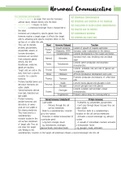
14.1 Hormonal communication
- Endocrine gland ~ an organ that secretes hormones
without ducts, releases directly into the blood. 14.2 structure and function of the pancreas
- Exocrine gland ~ releases via ducts 14.3 regulation of blood glucose concentration
- Hormone ~ a chemical messenger that is transported in
14.4 diabetes and its control
the blood.
- Hormones are produced by specific glands. Once the 14.5 coordinated response
hormone reaches a target organ, it affects the target 14.6 controlling heart rate
cells by attaching onto specific receptors either on the
surface of, or within the cells.
- They can be steroids, Gland Hormone Released Function
proteins, glycoproteins, Growth Hormone Control of growth of muscles and bones
polypeptides, amines, or Pituitary
Antidiuretic (ADH) Increases water reabsorption in the kidneys
tyrosine derivations. Gland
Gonadotrophins Controls developments in the ovaries and testes
- Hormones are secreted Increases heart rate, breathing rate and blood
from endocrine glands Adrenal Adrenaline
sugar
directly into the Controls sperm production and secondary
bloodstream, endocrine Testes Testosterone
characteristics
glands are ductless. Controls metabolic rate and rate of glucose use
- Target cells are cells in the Thyroid Thyroxine
in respiration
body that have a specific Pineal Melatonin Affects reproductive development and cycles
receptor for a specific Promotes production and maturity of white blood
hormone. Thymus Thymosin
cells
- Proteins/peptide/amino acid Insulin Convert excess glucose into glycogen in liver
derivative hormones are Pancreas
Glucagon Convert glycogen back into glucose
water soluble.
Controls ovulation and secondary sexual
- Steroid hormones derived Oestrogen
Ovaries characteristics
from lipid cholesterol are
Progesterone Prepares uterus lining for receiving embryo
lipid soluble.
- Protein hormones, Steroid Hormone (cholesterol): Protein Hormone:
peptide hormones and - Lipid-soluble - Hydrophilic e.g., polypeptides, glycoproteins
derivatives of amino - Diffuses through the cell - Can’t pass through bilayer because they are
acids are not soluble in surface membrane water soluble
the plasma membrane. - Binds to a complementary receptor - Therefore, binds to a complementary
They must bind to a go to the nucleus receptor on the cell surface membrane
complementary - Promotes or inhibits transcription (of - Activates a second messenger e.g., adenylyl
receptor located in the a particular gene) cyclase
cell surface membrane - Long term changes, slower - A cascade of intracellular reactions activates
of target cells. They do - e.g., testosterone, oestrogen, a transcription factor
not enter the target glucocorticoids, mineralocorticoids -e.g., glucagon, insulin, adrenaline
cells. Binding to the
complementary receptor on the target cell membrane releases a second messenger into the cell.
, The adrenal glands:
- Adrenal Cortex:
o Outer layer, Mineral cortoicoids ~ regulates salt and water
concentrations
o Middle layer, Glucocorticoids ~ regulates carbohydrate metabolism
o Inner layer, Androgens ~ various functions e.g., regulation of muscle
mass, sexual characteristics
- Adrenal Medulla:
o Adrenaline ~ increases heart rate and blood glucose concentration
o Noradrenaline ~ works with adrenaline by increasing heart rate,
widening airways, and increasing blood pressure.
14.2 Structure and Function of the Pancreas
- The pancreas regulates blood sugar levels.
- If there is too much sugar in the blood it leads to osmotic stress and damage to the cells.
- Insulin and glucagon produced in the islets of Langerhans
- The pancreas acts as both an exocrine gland and endocrine gland.
Exocrine gland:
- Composed largely of exocrine tissue
- Produces digestive enzymes (amylases, proteases, lipases) and pancreatic juice which are secreted into
duodenum via the pancreatic duct.
Endocrine gland:
- Small regions of endocrine tissue called islets of Langerhans
- Produce insulin and glucagon which are secreted into the blood
Structure Appearance Type of Tissue Function
Islets of Lightly stained Endocrine Produce and
Langerhans Large spherical pancreas secrete hormones
clusters
Pancreatic acini Darker stained Exocrine pancreas Produce and
Small, berry-like secrete digestive
clusters enzymes
- Islets of Langerhans:
o 𝛼 cells ~ produce and secrete glucagon
o 𝛽 cells ~ produce and secrete insulin
o Alpha cells are larger and more numerous, a differential stain can be used to identify alpha and
beta cells.
14.3 Regulation of Blood Glucose Concentration
- Insulin ~ protein hormone released from beta cells in the Islets of Langerhans in response to high blood
glucose levels
- Glucagon ~ protein hormone released from alpha cells in the Islets of Langerhans in response to low
blood glucose levels.
Increasing blood glucose concentration:
- Diet
- Glycogenolysis – glycogen stored in the liver and muscle cells is broken down into glucose and released
into the bloodstream. Catalysed by enzyme glycogen phosphorylase (synthesis of the enzyme increases
in the presence of glucagon)
- Gluconeogenesis – the production of glucose from non-carbohydrate sources such as amino acids and
fatty acids.
14.1 Hormonal Communication
14.1 Hormonal communication
- Endocrine gland ~ an organ that secretes hormones
without ducts, releases directly into the blood. 14.2 structure and function of the pancreas
- Exocrine gland ~ releases via ducts 14.3 regulation of blood glucose concentration
- Hormone ~ a chemical messenger that is transported in
14.4 diabetes and its control
the blood.
- Hormones are produced by specific glands. Once the 14.5 coordinated response
hormone reaches a target organ, it affects the target 14.6 controlling heart rate
cells by attaching onto specific receptors either on the
surface of, or within the cells.
- They can be steroids, Gland Hormone Released Function
proteins, glycoproteins, Growth Hormone Control of growth of muscles and bones
polypeptides, amines, or Pituitary
Antidiuretic (ADH) Increases water reabsorption in the kidneys
tyrosine derivations. Gland
Gonadotrophins Controls developments in the ovaries and testes
- Hormones are secreted Increases heart rate, breathing rate and blood
from endocrine glands Adrenal Adrenaline
sugar
directly into the Controls sperm production and secondary
bloodstream, endocrine Testes Testosterone
characteristics
glands are ductless. Controls metabolic rate and rate of glucose use
- Target cells are cells in the Thyroid Thyroxine
in respiration
body that have a specific Pineal Melatonin Affects reproductive development and cycles
receptor for a specific Promotes production and maturity of white blood
hormone. Thymus Thymosin
cells
- Proteins/peptide/amino acid Insulin Convert excess glucose into glycogen in liver
derivative hormones are Pancreas
Glucagon Convert glycogen back into glucose
water soluble.
Controls ovulation and secondary sexual
- Steroid hormones derived Oestrogen
Ovaries characteristics
from lipid cholesterol are
Progesterone Prepares uterus lining for receiving embryo
lipid soluble.
- Protein hormones, Steroid Hormone (cholesterol): Protein Hormone:
peptide hormones and - Lipid-soluble - Hydrophilic e.g., polypeptides, glycoproteins
derivatives of amino - Diffuses through the cell - Can’t pass through bilayer because they are
acids are not soluble in surface membrane water soluble
the plasma membrane. - Binds to a complementary receptor - Therefore, binds to a complementary
They must bind to a go to the nucleus receptor on the cell surface membrane
complementary - Promotes or inhibits transcription (of - Activates a second messenger e.g., adenylyl
receptor located in the a particular gene) cyclase
cell surface membrane - Long term changes, slower - A cascade of intracellular reactions activates
of target cells. They do - e.g., testosterone, oestrogen, a transcription factor
not enter the target glucocorticoids, mineralocorticoids -e.g., glucagon, insulin, adrenaline
cells. Binding to the
complementary receptor on the target cell membrane releases a second messenger into the cell.
, The adrenal glands:
- Adrenal Cortex:
o Outer layer, Mineral cortoicoids ~ regulates salt and water
concentrations
o Middle layer, Glucocorticoids ~ regulates carbohydrate metabolism
o Inner layer, Androgens ~ various functions e.g., regulation of muscle
mass, sexual characteristics
- Adrenal Medulla:
o Adrenaline ~ increases heart rate and blood glucose concentration
o Noradrenaline ~ works with adrenaline by increasing heart rate,
widening airways, and increasing blood pressure.
14.2 Structure and Function of the Pancreas
- The pancreas regulates blood sugar levels.
- If there is too much sugar in the blood it leads to osmotic stress and damage to the cells.
- Insulin and glucagon produced in the islets of Langerhans
- The pancreas acts as both an exocrine gland and endocrine gland.
Exocrine gland:
- Composed largely of exocrine tissue
- Produces digestive enzymes (amylases, proteases, lipases) and pancreatic juice which are secreted into
duodenum via the pancreatic duct.
Endocrine gland:
- Small regions of endocrine tissue called islets of Langerhans
- Produce insulin and glucagon which are secreted into the blood
Structure Appearance Type of Tissue Function
Islets of Lightly stained Endocrine Produce and
Langerhans Large spherical pancreas secrete hormones
clusters
Pancreatic acini Darker stained Exocrine pancreas Produce and
Small, berry-like secrete digestive
clusters enzymes
- Islets of Langerhans:
o 𝛼 cells ~ produce and secrete glucagon
o 𝛽 cells ~ produce and secrete insulin
o Alpha cells are larger and more numerous, a differential stain can be used to identify alpha and
beta cells.
14.3 Regulation of Blood Glucose Concentration
- Insulin ~ protein hormone released from beta cells in the Islets of Langerhans in response to high blood
glucose levels
- Glucagon ~ protein hormone released from alpha cells in the Islets of Langerhans in response to low
blood glucose levels.
Increasing blood glucose concentration:
- Diet
- Glycogenolysis – glycogen stored in the liver and muscle cells is broken down into glucose and released
into the bloodstream. Catalysed by enzyme glycogen phosphorylase (synthesis of the enzyme increases
in the presence of glucagon)
- Gluconeogenesis – the production of glucose from non-carbohydrate sources such as amino acids and
fatty acids.