

2 3 4
5
1
BTEC Level 2 Diploma in Applied Science
Unit 2: Energy and our Universe: Assignment 3
Anika Ahmed
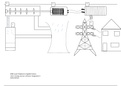
, 2) Write an explanation of how electrical energy can be transferred to your home or industry
Most power stations heat water to produce electricity.
1. The fuel is burned to boil water to make steam
2. The steam then makes a turbine spin
3. The spinning turbine turns a generator which produces electricity.
4. The electricity then goes into the transformers which produces the correct voltage.
5. The electricity is then stored by the national grid until it is required to be passed on to houses, industries etc.
3 Create a table showing the different sources of electrical energy and their efficiency. How much of the energy produced is useful? Are there any
waste products or waste energy produced? Based on the table, suggest which type of energy you think is most efficient. Give reasons for your choice.
Source of electrical energy Efficiency Advantages / Disadvantages
Fossil Fuels 30% (Cogill et’al) Burning fossil fuels allows large amount of energy to be
produced for a relatively low cost (Gillapsy and Robb).
Burning fossil fuels, which is a non-renewable energy source,
release carbon dioxide, the adds to the pollution with the air
and contributes to the greenhouse gases which are causing
global warming (Cogill et’al, 2010).
Nuclear power 91% (ESGI, 2015) Energy that is given from nuclear reactions is used to create
steam (it is cheap to produce), there is no burning of any fuels
and no CO2 is created. However, nuclear waste is generated,
which is radioactive, this is very dangerous and needs to be
stored for thousands of years before it is safe.
BTEC Level 2 Diploma in Applied Science
Unit 2: Energy and our Universe: Assignment 3
Anika Ahmed
5
1
BTEC Level 2 Diploma in Applied Science
Unit 2: Energy and our Universe: Assignment 3
Anika Ahmed
, 2) Write an explanation of how electrical energy can be transferred to your home or industry
Most power stations heat water to produce electricity.
1. The fuel is burned to boil water to make steam
2. The steam then makes a turbine spin
3. The spinning turbine turns a generator which produces electricity.
4. The electricity then goes into the transformers which produces the correct voltage.
5. The electricity is then stored by the national grid until it is required to be passed on to houses, industries etc.
3 Create a table showing the different sources of electrical energy and their efficiency. How much of the energy produced is useful? Are there any
waste products or waste energy produced? Based on the table, suggest which type of energy you think is most efficient. Give reasons for your choice.
Source of electrical energy Efficiency Advantages / Disadvantages
Fossil Fuels 30% (Cogill et’al) Burning fossil fuels allows large amount of energy to be
produced for a relatively low cost (Gillapsy and Robb).
Burning fossil fuels, which is a non-renewable energy source,
release carbon dioxide, the adds to the pollution with the air
and contributes to the greenhouse gases which are causing
global warming (Cogill et’al, 2010).
Nuclear power 91% (ESGI, 2015) Energy that is given from nuclear reactions is used to create
steam (it is cheap to produce), there is no burning of any fuels
and no CO2 is created. However, nuclear waste is generated,
which is radioactive, this is very dangerous and needs to be
stored for thousands of years before it is safe.
BTEC Level 2 Diploma in Applied Science
Unit 2: Energy and our Universe: Assignment 3
Anika Ahmed


