

Group 1 Elements
Group 1 elements form alkaline solutions when they react with water, which is why they are called
alkali metals.
The alkali metals have one electron in their outer shell, which is the easiest to lose for the element to
form a stable positive ion, it requires requires the least amount of energy (docbrown). The alkali
metals tend to form ionic compounds where they have a +1 charge (Libretexts, 2018).
Ionic compounds
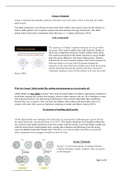
The reactivity of Group 1 elements increases as you go down
the group. They tend to readily react with most non–metals to
form ionic compounds which are usually soluble white solids.
The reaction and speed of the metals increase as you go further
down the group (Bitesize). The atom within group 1 element
will form an ion with a positive charge. This occurs because the
atoms get larger as you go down the group meaning the
electrons on the outer shell move further away from the nucleus
and the attraction between the nucleus and outer electrons is
weakened, making it easier for the electron to be lost (Lees and
Payne, 2001).
Why the Group 1 alkali metals like sodium and potassium are stored under oil.
Alkali Metals are incredibly reactive! They must be stored under oil within a sealed glass container to
avoid them coming into contact with oxygen, water or water vapour in the air. Oil is repellent to water
and a physical barrier to air and moisture (docbrown). They must be kept under these conditions
because they are so reactive, they can burst into flames, when sodium and potassium come in to
contact with water, they cause an explosion consisting of smoke and flames (Jacoby,2015).
Precautions of handling alkali metals
All the alkali metals react strongly with cold water. In each reaction, hydrogen gas is given off and
the metal hydroxide is produced (Jones et’al, 2017). The metals should never be handled without the
use of gloves, bare hands should not come into contact with the metals, sweat from hands would react
with the metal which would produce heat, causing skin irritations and blistering from the strong
corrosive alkaline hydroxide formed (LS). Therefore, care must be taken when they are used and
safety equipment such as goggles and gloves must be worn.
Group 7 Elements
Group 7 is a non-metal group, it contains Fluorine,
Chlorine, Bromine, Iodine, Astatine. They are known
as the halogens
Page 1 of 3
Group 1 elements form alkaline solutions when they react with water, which is why they are called
alkali metals.
The alkali metals have one electron in their outer shell, which is the easiest to lose for the element to
form a stable positive ion, it requires requires the least amount of energy (docbrown). The alkali
metals tend to form ionic compounds where they have a +1 charge (Libretexts, 2018).
Ionic compounds
The reactivity of Group 1 elements increases as you go down
the group. They tend to readily react with most non–metals to
form ionic compounds which are usually soluble white solids.
The reaction and speed of the metals increase as you go further
down the group (Bitesize). The atom within group 1 element
will form an ion with a positive charge. This occurs because the
atoms get larger as you go down the group meaning the
electrons on the outer shell move further away from the nucleus
and the attraction between the nucleus and outer electrons is
weakened, making it easier for the electron to be lost (Lees and
Payne, 2001).
Why the Group 1 alkali metals like sodium and potassium are stored under oil.
Alkali Metals are incredibly reactive! They must be stored under oil within a sealed glass container to
avoid them coming into contact with oxygen, water or water vapour in the air. Oil is repellent to water
and a physical barrier to air and moisture (docbrown). They must be kept under these conditions
because they are so reactive, they can burst into flames, when sodium and potassium come in to
contact with water, they cause an explosion consisting of smoke and flames (Jacoby,2015).
Precautions of handling alkali metals
All the alkali metals react strongly with cold water. In each reaction, hydrogen gas is given off and
the metal hydroxide is produced (Jones et’al, 2017). The metals should never be handled without the
use of gloves, bare hands should not come into contact with the metals, sweat from hands would react
with the metal which would produce heat, causing skin irritations and blistering from the strong
corrosive alkaline hydroxide formed (LS). Therefore, care must be taken when they are used and
safety equipment such as goggles and gloves must be worn.
Group 7 Elements
Group 7 is a non-metal group, it contains Fluorine,
Chlorine, Bromine, Iodine, Astatine. They are known
as the halogens
Page 1 of 3


