Discuss the use of laypeople in criminal cases
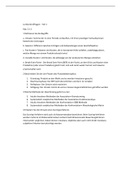
Laypeople are unprofessionals working in the legal system, and they do not have
the specialised knowledge of the law or legal system. They are able to work in two roles:
jury or magistrate.
Juries:
The jury's role is to decide a verdict in a case presented by the crown court. The
prosecution and defense both present evidence, and the jury retires to the juror’s room
to decide whether the evidence suggests guilt or innocence, and they must be convinced
beyond reasonable doubt. Under the Criminal Justice and Courts Act 2015, it is an offence
for the jurors to discuss their verdict and how they came to it, unless they are reporting
another juror for misconduct.
To select Jurors, people’s names are randomly selected from the electoral register
by a computer. They are then sent a summons which requires them to attend court, and
their service may last 2 weeks. For an individual to be eligible to be a juror, they must
meet the requirements outlined under the Juries Act 1974 and Criminal Justice Act 2003.
The requirements are the individual must be aged between 18 to 75, be a citizen of the
UK, the Irish Republic or a British Commonwealth country, and have resided in the UK,
Channel Islands or the Isle of Man for a minimum of 5 years. Some individuals may be
disqualified from jury service, and these include individuals who are on bail and those
who have received a prison sentence for 5 years or more. If an individual receives a
prison sentence less than 5 years, they are disqualified from acting in the jury for 10
years. Some people may be exempt from the legal requirement to attend court, and this
may be an exemption on medical grounds, or already agreed upon events, such as a
holiday which is already paid for.
One strength of the jury system is jury equity. Jury equity refers to the freedom
jurors have to make decisions based on what is fair and moral, rather than a decision
based on law or precedents. A real life example of jury equity is in the trial of Clive
Ponting. Clive was a senior civil servant during the Falklands war, and three years after
the war he leaked secret Government information about the sinking of the Agrentinian
cruiser to an MP. He was charged with breaching the Official Secrets Act 1911, and the
Judge heavily suggested the jury convict him as he has admitted to doing so. However,
the jury acquitted him as he said acted in the public interest. Similarly, in the case of Kay
Gilderdale who helped her seriously ill daughter Lynn commit suicide. The CPS charged
her with attempted murder, but the jury accquited her.
Another strength of the jury system is justice is seen to be done. The function of
the jury is to allow the public a decision on the outcome of trials. The jury gets to hear
points of law from the Judge and arguments from both the defence and prosecution
which allows them to understand the case, and make a fair judgement from this
information. A third strength of the jury system is impartiality and a fairer trial. A jury
consists of the defendant's peers, and because the jury is viewed to be equal to the
defendant rather than the hierarchy of judges or magistrates, it is viewed as fairer for the
Laypeople are unprofessionals working in the legal system, and they do not have
the specialised knowledge of the law or legal system. They are able to work in two roles:
jury or magistrate.
Juries:
The jury's role is to decide a verdict in a case presented by the crown court. The
prosecution and defense both present evidence, and the jury retires to the juror’s room
to decide whether the evidence suggests guilt or innocence, and they must be convinced
beyond reasonable doubt. Under the Criminal Justice and Courts Act 2015, it is an offence
for the jurors to discuss their verdict and how they came to it, unless they are reporting
another juror for misconduct.
To select Jurors, people’s names are randomly selected from the electoral register
by a computer. They are then sent a summons which requires them to attend court, and
their service may last 2 weeks. For an individual to be eligible to be a juror, they must
meet the requirements outlined under the Juries Act 1974 and Criminal Justice Act 2003.
The requirements are the individual must be aged between 18 to 75, be a citizen of the
UK, the Irish Republic or a British Commonwealth country, and have resided in the UK,
Channel Islands or the Isle of Man for a minimum of 5 years. Some individuals may be
disqualified from jury service, and these include individuals who are on bail and those
who have received a prison sentence for 5 years or more. If an individual receives a
prison sentence less than 5 years, they are disqualified from acting in the jury for 10
years. Some people may be exempt from the legal requirement to attend court, and this
may be an exemption on medical grounds, or already agreed upon events, such as a
holiday which is already paid for.
One strength of the jury system is jury equity. Jury equity refers to the freedom
jurors have to make decisions based on what is fair and moral, rather than a decision
based on law or precedents. A real life example of jury equity is in the trial of Clive
Ponting. Clive was a senior civil servant during the Falklands war, and three years after
the war he leaked secret Government information about the sinking of the Agrentinian
cruiser to an MP. He was charged with breaching the Official Secrets Act 1911, and the
Judge heavily suggested the jury convict him as he has admitted to doing so. However,
the jury acquitted him as he said acted in the public interest. Similarly, in the case of Kay
Gilderdale who helped her seriously ill daughter Lynn commit suicide. The CPS charged
her with attempted murder, but the jury accquited her.
Another strength of the jury system is justice is seen to be done. The function of
the jury is to allow the public a decision on the outcome of trials. The jury gets to hear
points of law from the Judge and arguments from both the defence and prosecution
which allows them to understand the case, and make a fair judgement from this
information. A third strength of the jury system is impartiality and a fairer trial. A jury
consists of the defendant's peers, and because the jury is viewed to be equal to the
defendant rather than the hierarchy of judges or magistrates, it is viewed as fairer for the