2.2 Describe trial processes
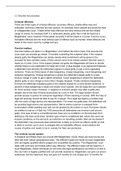
Criminal offences
There are three types of criminal offences: summary offence, triable-either-way and
indictable. Summary offences are less serious, for example minor assault and would be tried
in a Magistrates court. Triable-either-way offences are fairly serious and are the middle
range of crimes, for example theft. If a defendant pleads guilty then it will be heard at a
Magistrates’ court, however if they plead not guilty it will be heard in a Crown Court by a jury.
Indictable offences are the most serious type of offence such as murder, these offences are
heard in the crown court by a judge and jury.
Pre-trial matters
Pre-trial matters are taken in a Magistrates’ court before the trial is held. This ensures the
court case can actually go ahead. It includes submitting the suspects' plea. If the suspect
pleads guilty the Magistrates can simply decide what punishment will be given to the
accused for less complex cases. If they cannot come to an instant solution then the case is
heard at a Crown Court. If the suspect pleads not-guilty the Magistrates will have to decide
whether there is any application for legal aid or bail. A plea bargain is an agreement between
a defendant and whereby the defendant agrees to plead guilty to get a more appealing
sentence. There are three types of plea bargaining: charge bargaining, count bargaining and
sentence bargaining. Charge bargaining is where the defendant pleads guilty to a less
serious charge in order to get a lighter sentence. Count bargaining is where the defendant
pleads guilty to one charge to have other charges dropped. Finally sentence bargaining
involves the defendant pleading guilty to the original charge for a more lenient sentence. A
positive of plea bargaining is cases are closed much quicker, this de-clogs the court systems
for more serious cases. However, a negative is innocent people may take a guilty plea
bargain due to the fear of being found guilty by a jury in trial. The legal system should
provide access to justice for everyone regardless of their standing in society. With the help of
legal aid anybody should be able to pay for a lawyer. The Legal Aid Agency provides help
with the costs of legal advice and representation. For every not-guilty plea, the defendant will
be provided legal advice and representation. Bail is where a person is released from
incarceration whilst awaiting trial, bail can be granted by the police or court. Everyone should
be entitled to bail as s.4 Bail Act 1976 presumes all defendants are innocent until proven
guilty. One type of bail is unconditional bail, there are no conditions on the bail apart from
abiding by the laws at all times. Another type of bail is conditional bail, where the court can
impose conditions on the bail such as restriction on travelling outside. Bail can be denied if
the defendant: has previously been denied bail, is likely to commit an offence whilst on bail,
is likely to not turn up to court, is charged with an indictable offence, could obstruct the
course of justice and needs to be in custody for their own protection.
The criminal courts system
In England and Wales there are around 280 Magistrates’ courts, these are local courts and
deal with their certain geographical area. The different cases are heard by local magistrates
who are legally qualified district judges and unqualified lay justices. The Magistrates’ court
deals with summary and triable-either-way offences. The different cases will be heard by 3
local Magistrates, these individuals do not have any legal qualifications but there is a clerk in
the court who is legally qualified and can provide assistance. Magistrates can give out prison
sentences, but the maximum they can give is 6 months for one charge and 12 months for
Criminal offences
There are three types of criminal offences: summary offence, triable-either-way and
indictable. Summary offences are less serious, for example minor assault and would be tried
in a Magistrates court. Triable-either-way offences are fairly serious and are the middle
range of crimes, for example theft. If a defendant pleads guilty then it will be heard at a
Magistrates’ court, however if they plead not guilty it will be heard in a Crown Court by a jury.
Indictable offences are the most serious type of offence such as murder, these offences are
heard in the crown court by a judge and jury.
Pre-trial matters
Pre-trial matters are taken in a Magistrates’ court before the trial is held. This ensures the
court case can actually go ahead. It includes submitting the suspects' plea. If the suspect
pleads guilty the Magistrates can simply decide what punishment will be given to the
accused for less complex cases. If they cannot come to an instant solution then the case is
heard at a Crown Court. If the suspect pleads not-guilty the Magistrates will have to decide
whether there is any application for legal aid or bail. A plea bargain is an agreement between
a defendant and whereby the defendant agrees to plead guilty to get a more appealing
sentence. There are three types of plea bargaining: charge bargaining, count bargaining and
sentence bargaining. Charge bargaining is where the defendant pleads guilty to a less
serious charge in order to get a lighter sentence. Count bargaining is where the defendant
pleads guilty to one charge to have other charges dropped. Finally sentence bargaining
involves the defendant pleading guilty to the original charge for a more lenient sentence. A
positive of plea bargaining is cases are closed much quicker, this de-clogs the court systems
for more serious cases. However, a negative is innocent people may take a guilty plea
bargain due to the fear of being found guilty by a jury in trial. The legal system should
provide access to justice for everyone regardless of their standing in society. With the help of
legal aid anybody should be able to pay for a lawyer. The Legal Aid Agency provides help
with the costs of legal advice and representation. For every not-guilty plea, the defendant will
be provided legal advice and representation. Bail is where a person is released from
incarceration whilst awaiting trial, bail can be granted by the police or court. Everyone should
be entitled to bail as s.4 Bail Act 1976 presumes all defendants are innocent until proven
guilty. One type of bail is unconditional bail, there are no conditions on the bail apart from
abiding by the laws at all times. Another type of bail is conditional bail, where the court can
impose conditions on the bail such as restriction on travelling outside. Bail can be denied if
the defendant: has previously been denied bail, is likely to commit an offence whilst on bail,
is likely to not turn up to court, is charged with an indictable offence, could obstruct the
course of justice and needs to be in custody for their own protection.
The criminal courts system
In England and Wales there are around 280 Magistrates’ courts, these are local courts and
deal with their certain geographical area. The different cases are heard by local magistrates
who are legally qualified district judges and unqualified lay justices. The Magistrates’ court
deals with summary and triable-either-way offences. The different cases will be heard by 3
local Magistrates, these individuals do not have any legal qualifications but there is a clerk in
the court who is legally qualified and can provide assistance. Magistrates can give out prison
sentences, but the maximum they can give is 6 months for one charge and 12 months for